Complete guide
Mulch 101: Types, Depth, and How Much You Need
A plain-English guide to mulch — what it does, the organic and inorganic types, how deep to lay it, and how to figure out how much you need with the square feet × depth ÷ 324 formula.
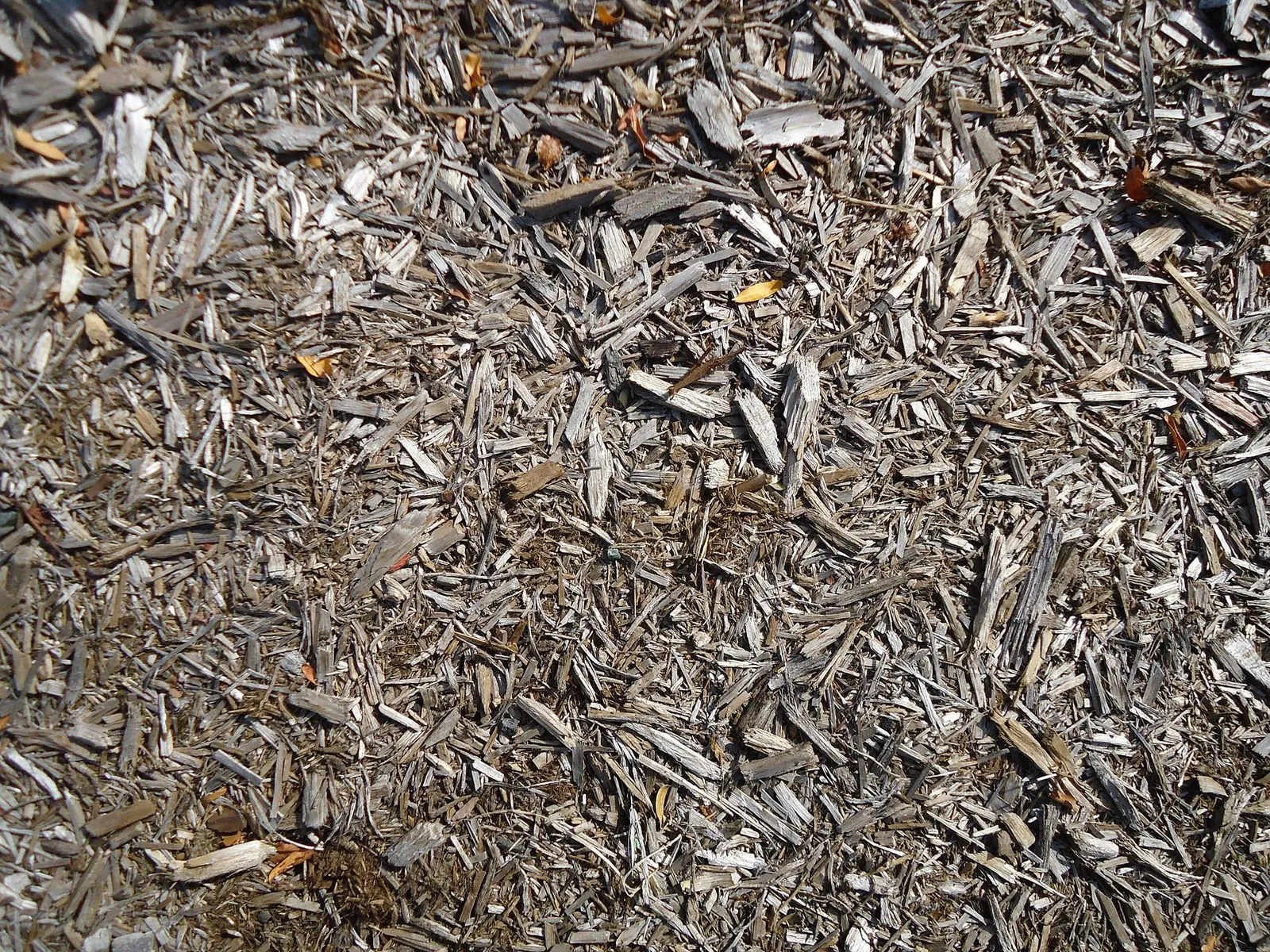
The short answer
Mulch is a layer spread on top of soil to hold moisture, block weeds, and steady soil temperature. Organic types also feed the soil as they break down. To figure out how much you need, measure the bed in square feet, then use square feet × depth (inches) ÷ 324 = cubic yards. Most beds want 2 to 4 inches deep.
Try it — Mulch Calculator
Full calculatorEnter a bulk price to estimate cost.
You need
0.93cu yd
- Cubic feet
- 25 cu ft
- Cubic yards
- 0.93 cu yd
- Bags (2 cu ft)
- 13 bags
- Weight
- ≈ 0.42 tons
Bulk is sold by the yard — order 1 cu yd to have enough.
Mulch does a lot of quiet work. It keeps soil damp between waterings, smothers weed seeds, and evens out the swings of hot and cold. Organic mulch goes one better and improves the soil as it rots down. This guide covers the types, the right depth, and the math for ordering the right amount. When you want the number for your exact bed, jump to the Mulch Calculator.
Types of mulch
Mulch splits into two families. Organic mulch comes from things that were once alive and breaks down over time. Inorganic mulch is rock or rubber that stays put for years and does not decompose.
The big trade-off: organic feeds the soil but needs topping up, while inorganic lasts but adds nothing. For planted beds, organic almost always wins. For paths and areas where you want nothing to grow, rock has a place.
| Mulch | Type | Good for | Watch out for |
|---|---|---|---|
| Shredded bark | Organic | Trees, shrubs, perennial beds | Decomposes slowly, so top up yearly |
| Wood chips | Organic | Woody plantings, paths | Coarse, sits on the higher depth end |
| Straw | Organic | Vegetable beds, strawberries | "Weed-free" straw often still has seeds |
| Shredded leaves | Organic | Vegetable and annual beds | Fine texture, use a thinner layer |
| Rock / gravel | Inorganic | Walkways, no-plant zones | No soil benefit, hard to garden in |
| Rubber | Inorganic | Play areas, paths | No soil benefit, does not break down |
Iowa State University Extension notes that bark decomposes slowly and suits trees and perennial beds, while straw is best for vegetable gardens and shredded leaves work well for annual beds (source). University of Minnesota Extension adds that stone is best for non-planted areas where you do not want anything to grow (source).
Note
One honest note on straw: even bags labeled "weed-free" often carry viable seeds. Buy from a trusted source, or be ready to pull a few volunteers.
How deep should mulch be
For most beds, aim for 2 to 4 inches. Iowa State University Extension calls 2 to 4 inches effective, with coarse mulch like wood chips at the higher end and fine mulch like shredded leaves at the lower end (source).
Match the depth to the job.
- 2 inches — a top-up over mulch that is already there.
- 3 inches — the sweet spot for new beds. It blocks weeds and holds moisture.
- 4 inches — heavier weed control in open ground. Keep it off stems and trunks.
Around trees the rule is the same depth but with a clear gap at the base. Penn State Extension says to apply a 2- to 4-inch layer and no more, and to keep mulch 3 to 5 inches from young trees and 8 to 10 inches from mature ones so the root flare shows (source).
Pro tip
Fine mulch packs tighter than coarse mulch, so it needs less depth to do the same job. Shredded leaves and grass clippings work at about 2 inches. Wood chips and bark nuggets can go to 4.
How much mulch you need
Measure the bed in square feet, then use one shortcut to get cubic yards:
Cubic yards = square feet × depth (in inches) ÷ 324.
The 324 folds two conversions into one. Inches to feet is ÷12. Cubic feet to cubic yards is ÷27. Multiply those (12 × 27) and you get 324.
Here it is on a real bed. A rectangular bed 20 ft × 10 ft is 200 sq ft. At 3 inches deep:
- 200 × 3 ÷ 324 = 1.85 cubic yards.
- That is 50 cubic feet of mulch, or 25 bags at 2 cu ft each.
Depth changes coverage a lot. One cubic yard covers nearly half as much ground at 4 inches as it does at 2 inches.
| Depth | Coverage per cubic yard |
|---|---|
| 2″ | 162 sq ft |
| 3″ | 108 sq ft |
| 4″ | 81 sq ft |
For the full set of worked examples, including a round bed, see the spoke guide: How Much Mulch Do I Need?. The same math powers the compost and topsoil guides, so once you know the ÷324 trick you can size any bed.
Bags per yard
Buying by the bag instead of bulk? Here is how bags add up to a cubic yard. There are 27 cubic feet in a yard, so just divide by the bag size.
| Bag size | Bags per cubic yard |
|---|---|
| 2 cu ft | 13.5 |
| 3 cu ft | 9 |
So that 1.85-cubic-yard bed works out to about 25 bags of 2 cu ft mulch (1.85 × 13.5 ≈ 25), or about 17 bags of 3 cu ft.
Bulk vs bagged: where the cost flips
Bagged mulch is simple. You grab what you need and there is no minimum. But it costs more per cubic foot, and the bags add up fast on a big job.
Pro tip
Bulk mulch (by the cubic yard, delivered) is usually cheaper once you need more than about 1 cubic yard — roughly 13 to 14 bags of 2 cu ft. Below that, bagged is simpler and you skip the delivery fee. Filling beds with soil too? The topsoil guide and compost guide run the same crossover math.
Either way, add about 5 to 10 percent to your number. Beds are rarely flat, and fresh mulch settles. A leftover bag is easy to use up. A second trip to the store is not.
When and how often to replace mulch
Organic mulch breaks down, so it shrinks over a season. Plan to add 1 to 2 inches each spring rather than starting fresh, which keeps you in the 2-to-4-inch range without burying the bed.
University of Minnesota Extension notes that how long mulch lasts depends on the material, from cocoa shells that fade in about a season to pine needles that hold for several years (source). Before you pile on a fresh load, check the old layer. If it is already 3 inches deep, you only need a light top-up. Inorganic mulch like rock rarely needs replacing, but it does collect leaves and soil that grow weeds over time.
Common mulching mistakes
Common mistake
Volcano mulching is piling mulch high against a trunk or stem. Penn State Extension warns it can starve roots of oxygen, rot the constantly wet bark, and invite insects and rodents that gnaw the inner bark (source). Keep mulch 3 to 5 inches from young trees and 8 to 10 inches from mature ones, and let the root flare show.
Two more to dodge:
- Piling it too deep. More than 4 inches can block air and water from reaching the soil. Iowa State Extension caps organic mulch at 4 inches and says to feather it away from woody stems (source).
- Mulching over weeds. Mulch smothers weed seeds, not established weeds. Clear the bed first, or the weeds push right through.
The one takeaway
Pick organic mulch for beds you plant, lay it 2 to 4 inches deep, and keep it off every trunk and stem. To order the right amount, measure in square feet and divide by 324 after multiplying by depth.
Ready to skip the math? Open the Mulch Calculator. Enter your dimensions and depth, and it returns cubic yards, bags, and cost in seconds.
Common questions
What is the best depth for mulch?
For most garden beds, 2 to 4 inches is the right range. Use 3 inches for new beds, 2 inches to top up old ones, and keep it on the lower end for fine-textured mulch like shredded leaves. Around trees, stay at 2 to 4 inches and keep all mulch off the trunk.
What is volcano mulching and why is it bad?
Volcano mulching is piling mulch high against a tree trunk or plant stem. Penn State Extension warns it can starve roots of oxygen, rot the wet bark, and invite insects and rodents. Keep mulch 3 to 5 inches from young trees and 8 to 10 inches from mature ones.
How much mulch do I need?
Measure the bed in square feet, then use square feet × depth in inches ÷ 324 to get cubic yards. A 200 sq ft bed at 3 inches deep needs about 1.85 cubic yards, or roughly 25 bags of 2 cu ft mulch.
How many bags of mulch are in a cubic yard?
About 13.5 bags if each bag holds 2 cubic feet (27 ÷ 2), or 9 bags at 3 cubic feet each.
Is organic or inorganic mulch better?
Organic mulch (bark, wood chips, straw, leaves) breaks down and feeds the soil, so it needs topping up. Inorganic mulch (rock, rubber) lasts for years but adds nothing to the soil and can be hard to garden in. For beds you plant, organic usually wins.
Sources
Agronomic claims in this guide are checked against these primary sources.
- Using Mulch in the Garden — Iowa State University Extension
- Mulching Landscape Trees — Penn State Extension
- Mulching for Soil and Garden Health — University of Minnesota Extension
Keep reading
How Much Mulch Do I Need?
Measure your bed, multiply by depth, divide by 324, and you have the cubic yards of mulch you need. Formula, worked examples, and a coverage table.
Read →How Much Compost Do I Need?
Multiply square feet by depth in inches, divide by 324 for cubic yards of compost. Formula, worked examples, and a bagged-vs-bulk guide.
Read →How Much Topsoil Do I Need? (Tons, Yards + Calculator)
Topsoil is sold by the ton. Multiply your square feet by depth in inches, divide by 324 for cubic yards, then plan for about 1.2 tons per yard.
Read →How Many Bags of Mulch Are in a Yard?
A cubic yard of mulch is 27 cubic feet, so it takes 14 bags of 2 cu ft mulch or 9 bags of 3 cu ft to make a yard. Tables and the ÷ math inside.
Read →