Ugo Charles
Avid gardener & founder of Trowelful
Ugo Charles is an avid gardener and the builder behind Trowelful. He grows vegetables in raised beds, fills them himself every spring, and got tired of guessing how much soil, mulch, and compost a project needs. So he built the calculators and writes the guides here, checking every number against the math and university-extension sources before it goes live.
GitHub →Posts by Ugo Charles
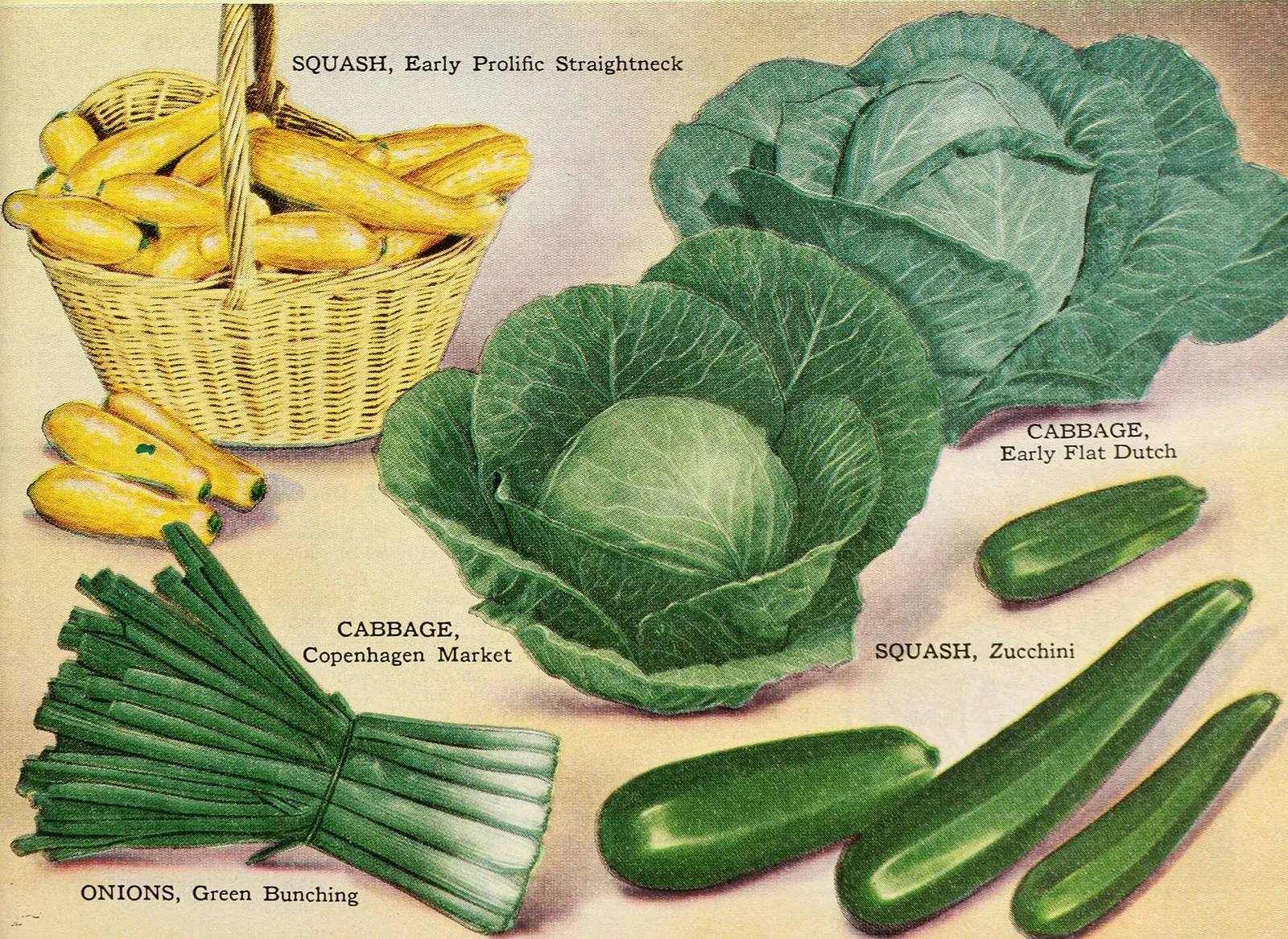
Zucchini Companion Plants (and What to Keep Apart)
Good zucchini companions are flowers like nasturtium and borage that pull in the bees zucchini needs to set fruit, plus beans and corn. Keep zucchini away from other squash and cucumbers, which share its pests. Most "avoid" charts are folklore.
Jun 4, 2026 · 7 min read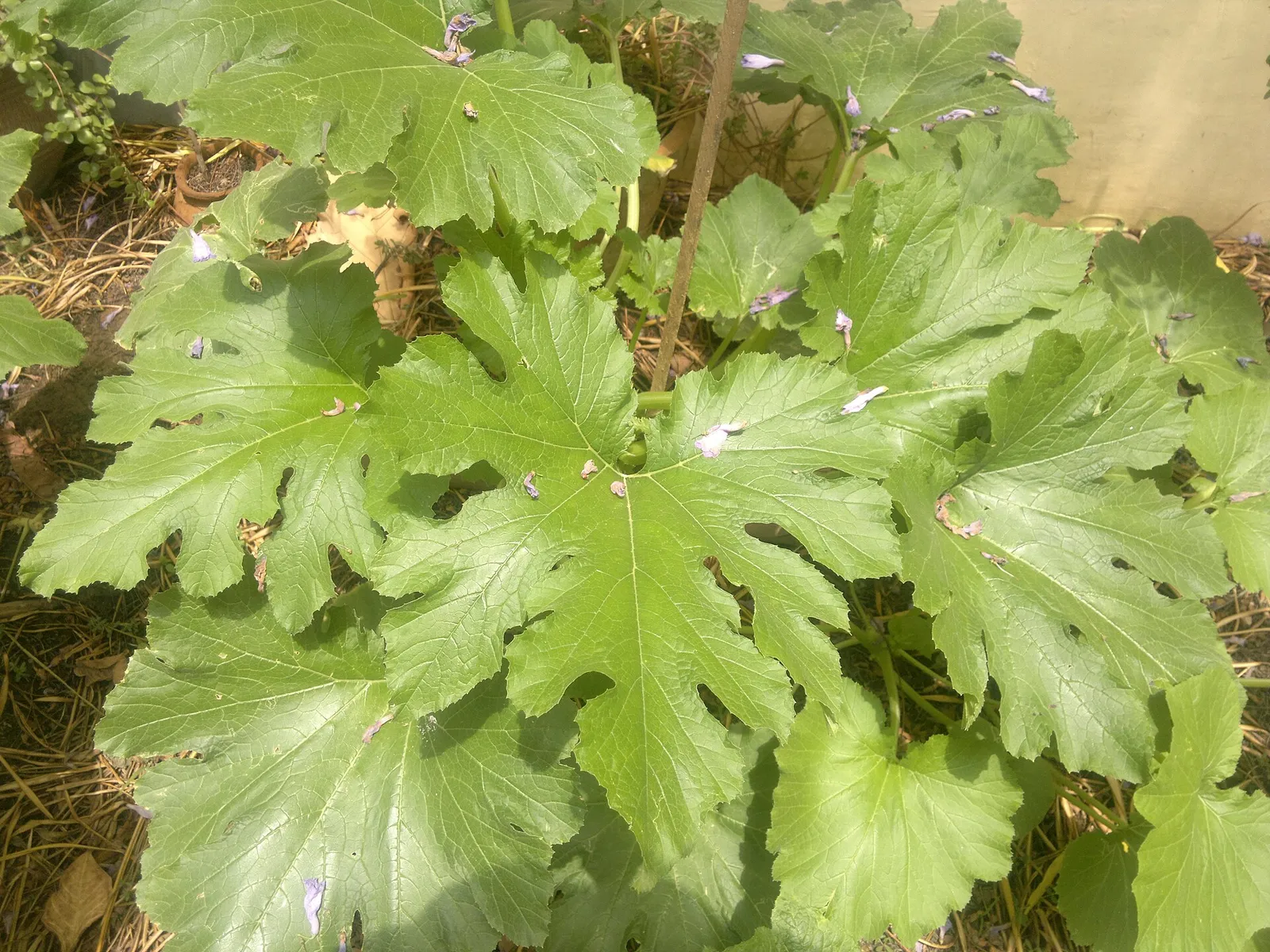
When to Plant Zucchini (Frost + Soil Temp Timing)
Plant zucchini after your last spring frost, once the soil hits at least 60 F (ideally 65 to 70 F). Direct-sow seeds 1/2 to 1 inch deep, or set out transplants started 2 to 4 weeks earlier. Warm zones get a second fall crop.
Jun 4, 2026 · 6 min read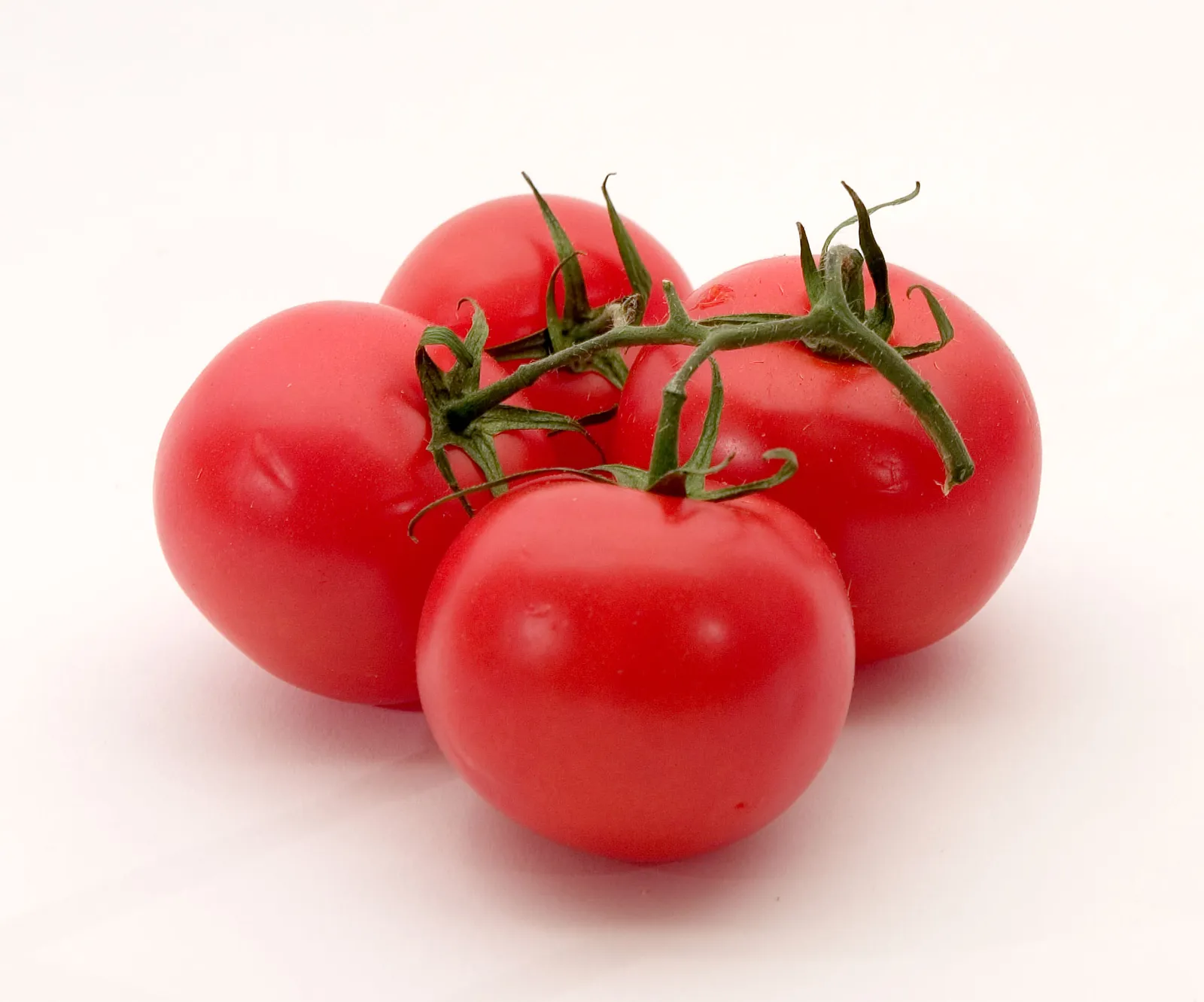
When to Plant Tomatoes (Frost + Soil Temp by Zone)
Set tomato transplants out 1 to 2 weeks after your last spring frost, once soil hits at least 60 F. Start seeds indoors 6 to 8 weeks before that frost date. Cold soil stalls them, so wait for warmth.
Jun 4, 2026 · 6 min read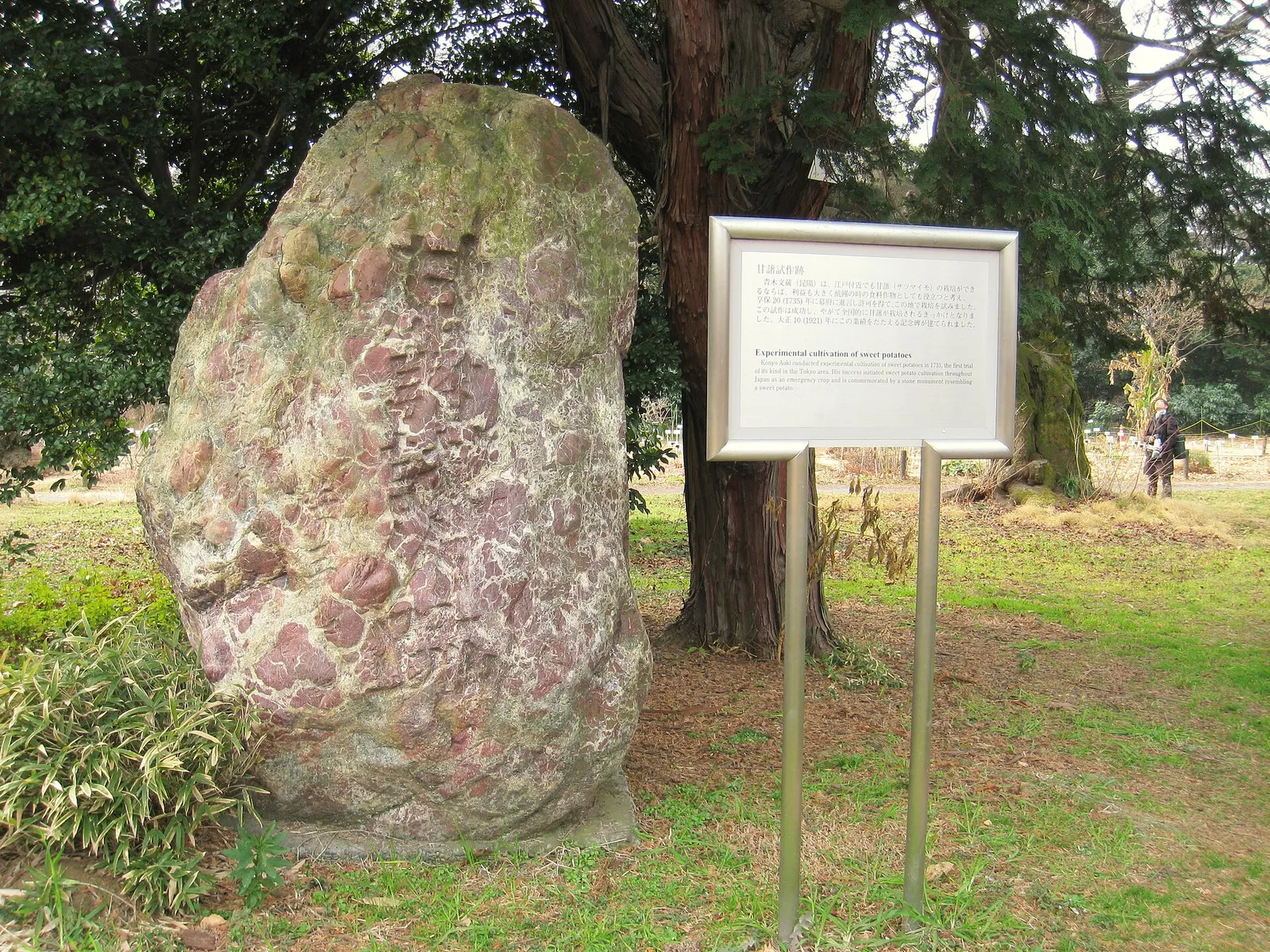
When to Plant Sweet Potatoes (Soil Temp + Frost Timing)
Plant sweet potato slips 2 to 4 weeks after your last spring frost, once soil holds above 65°F. Get timing by zone, the soil-temp gate, and the mistake that rots slips in cold ground.
Jun 4, 2026 · 6 min read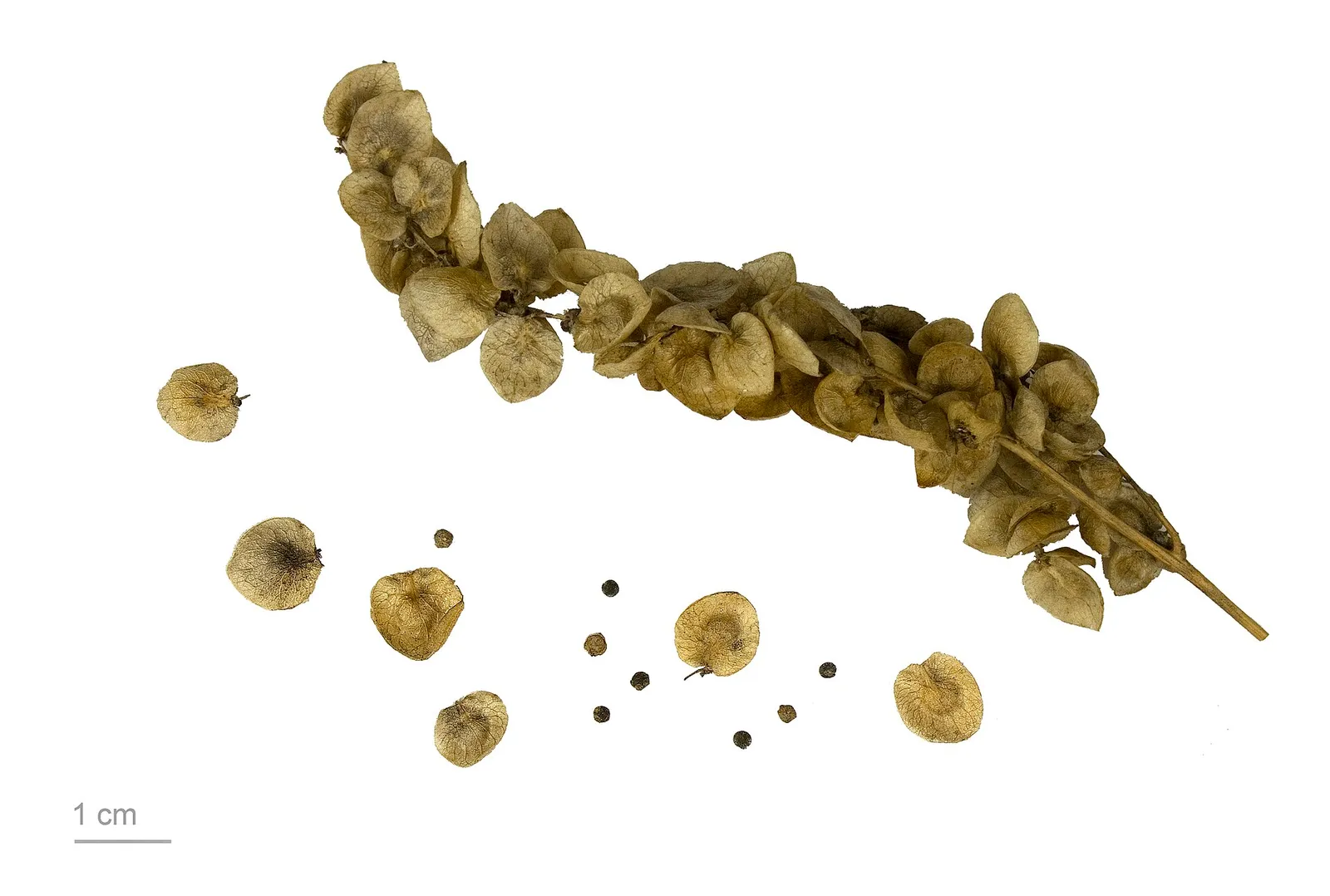
When to Plant Spinach (Spring and Fall Timing)
Plant spinach 4 to 8 weeks before the last spring frost, as soon as the soil hits 40°F. Sow a fall crop 6 to 8 weeks before the first fall frost. Seeds go in 1/2 inch deep, direct-sown.
Jun 4, 2026 · 6 min read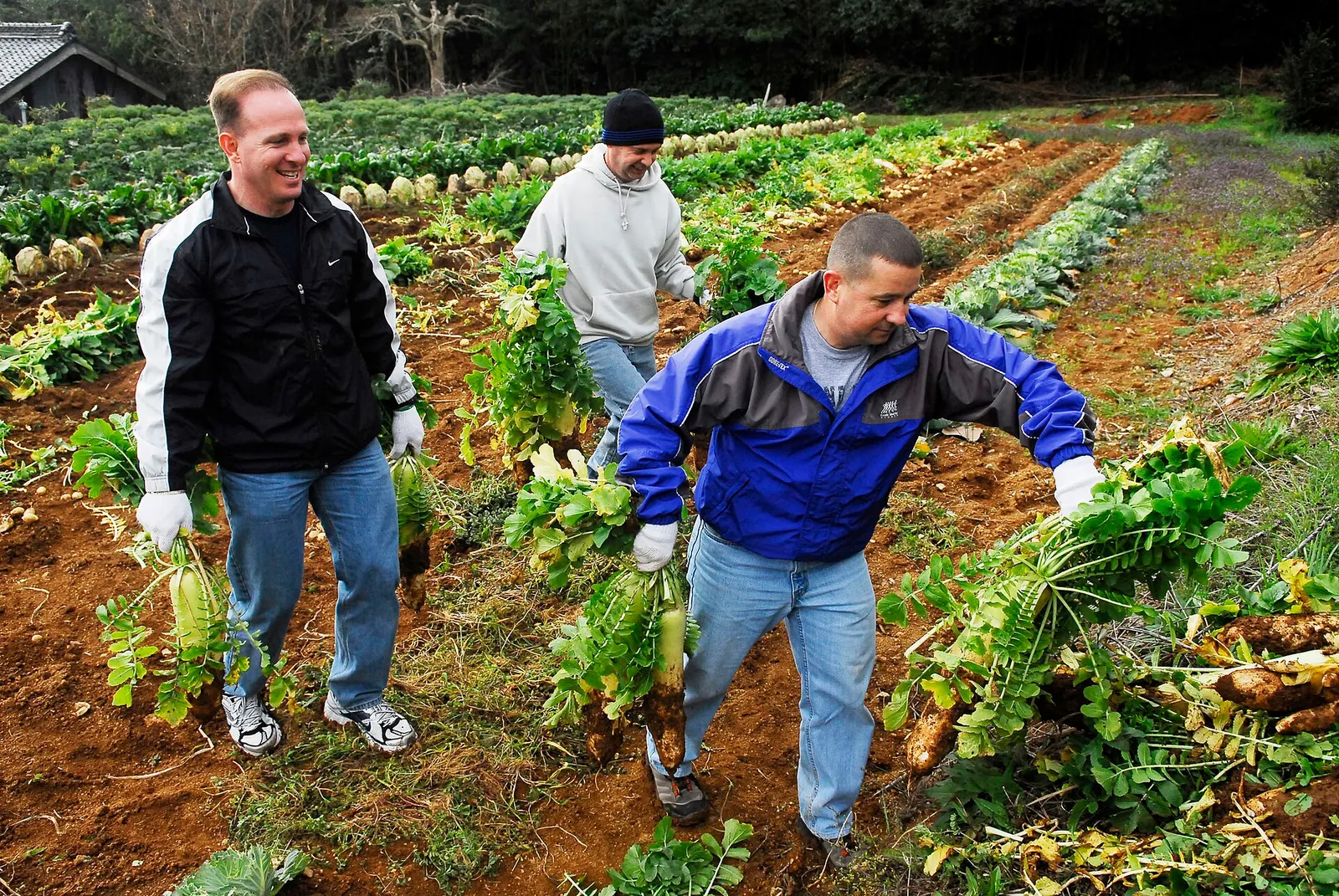
When to Plant Radishes (Spring and Fall Timing)
Plant radishes 4 to 6 weeks before your last spring frost, as soon as the soil reaches about 45 F. Spring types mature in 22 to 35 days. Sow again in late summer for a fall crop, and reseed every 1 to 2 weeks.
Jun 4, 2026 · 6 min read
When to Plant Pumpkins (Frost, Soil Temp + Halloween Timing)
Direct-sow pumpkins about 1 to 2 weeks after the last spring frost, once soil hits 65 to 70 F. For a Halloween harvest, count back 90 to 120 days and plant late May to early July.
Jun 4, 2026 · 6 min read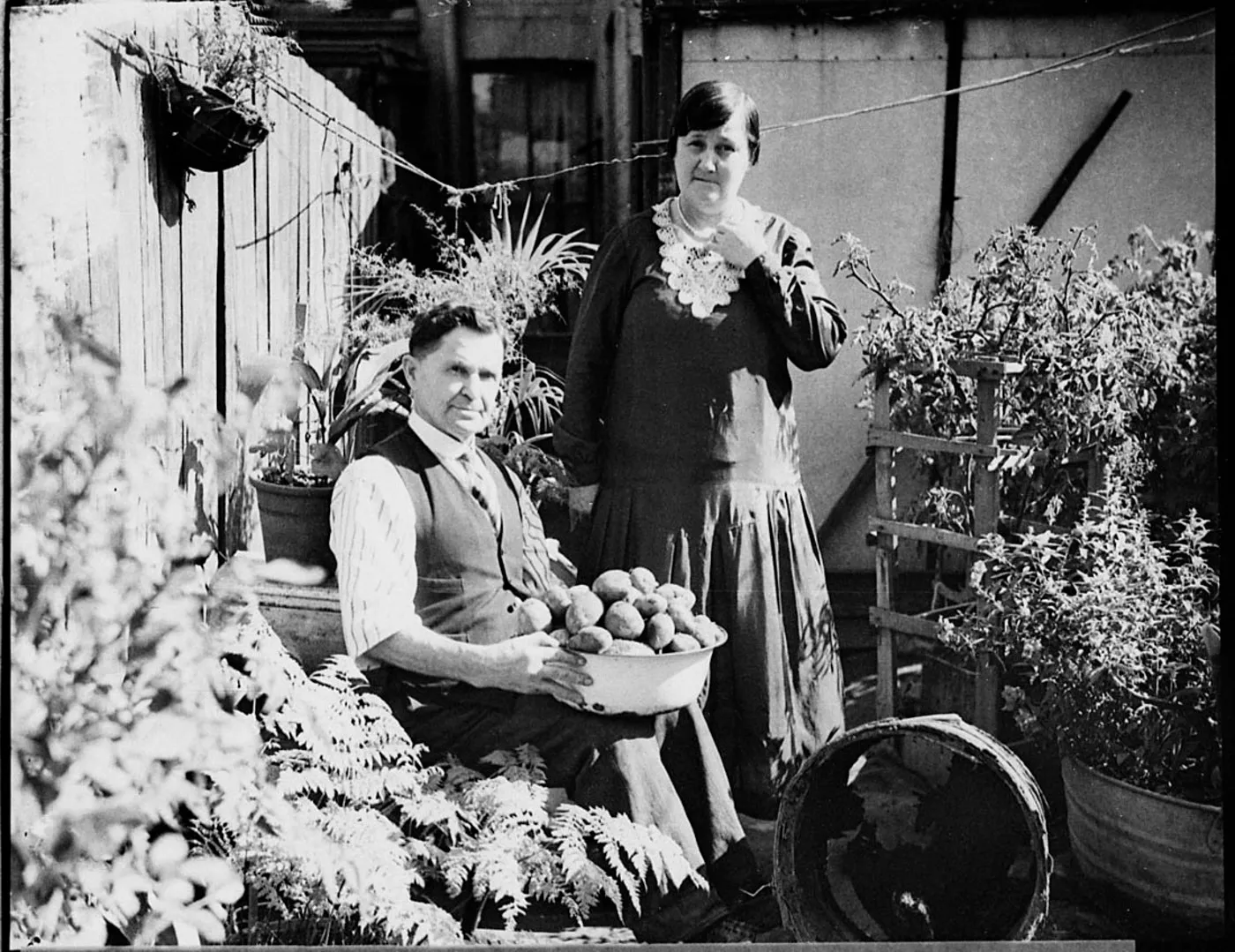
When to Plant Potatoes (Timing by Zone + Soil Temp)
Plant potatoes about 2 to 4 weeks before your last spring frost, once the soil warms to 45 F. That falls February to April in most US zones. In the South, a second crop goes in late summer for a fall dig.
Jun 4, 2026 · 6 min read
When to Plant Peppers (Frost Timing by Zone)
Start pepper seeds indoors 8 to 10 weeks before your last spring frost, then set transplants out 1 to 2 weeks after the frost passes, once soil hits 60 to 65 F and nights stay above 50 to 55 F.
Jun 4, 2026 · 6 min read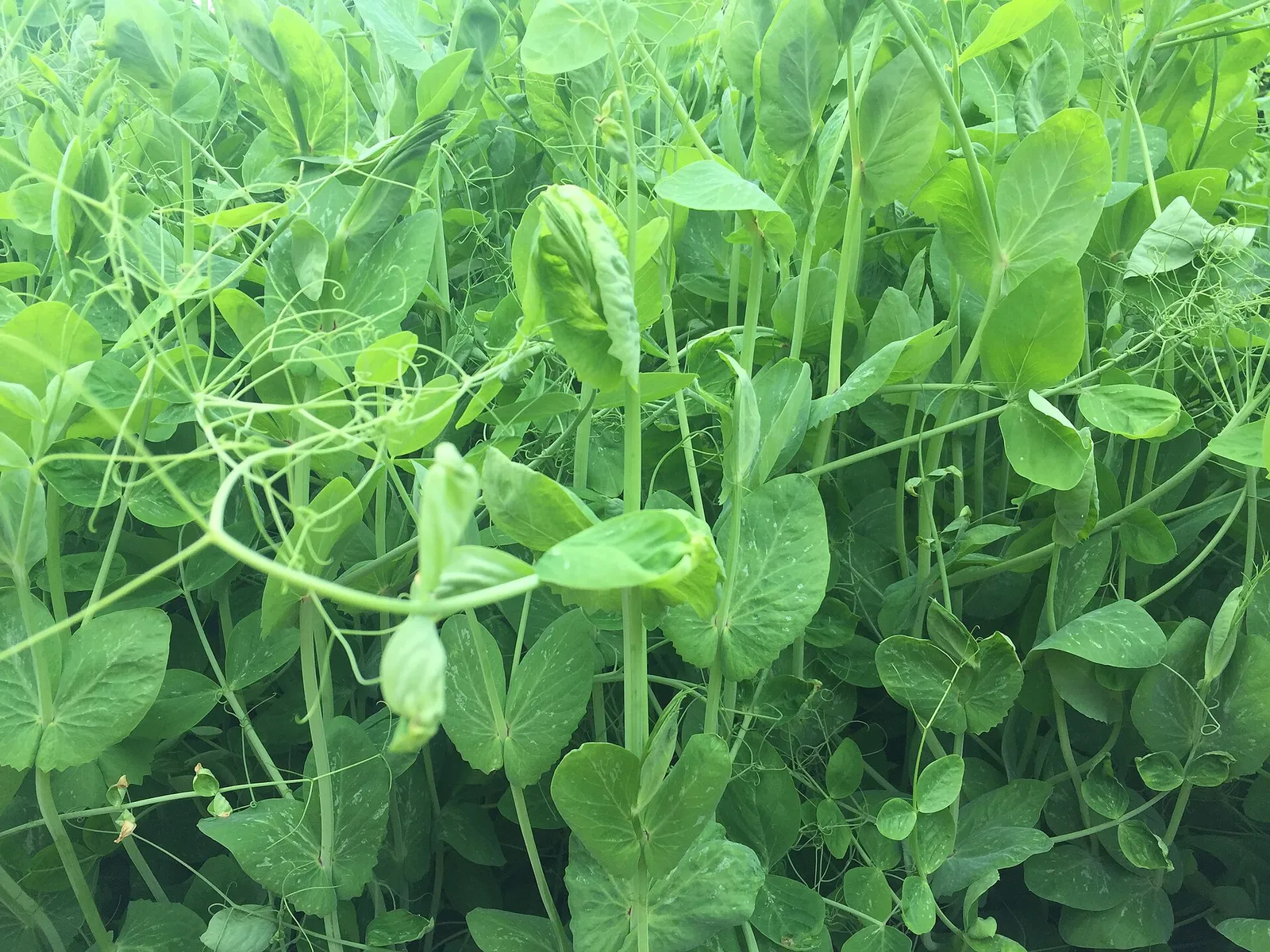
When to Plant Peas (Spring and Fall Timing by Zone)
Plant peas 4 to 6 weeks before your last spring frost, as soon as the soil can be worked and hits at least 40°F. Seedlings shrug off light frost, so peas go in early. Sow a fall crop 8 to 10 weeks before the first fall frost.
Jun 4, 2026 · 6 min read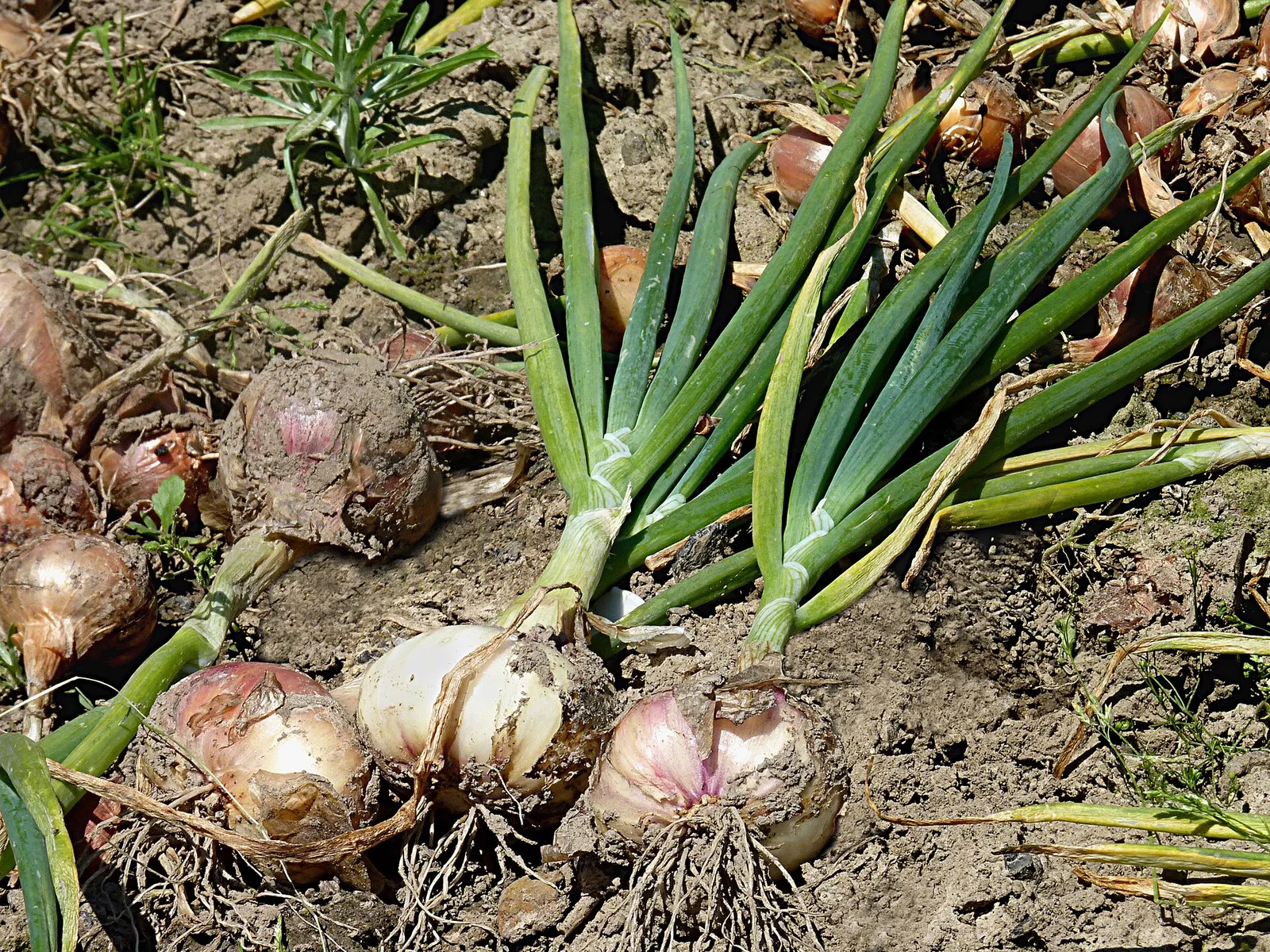
When to Plant Onions (Spring Timing by Zone)
Plant onions as early as the soil can be worked in spring, about 2 to 4 weeks before your last frost, once soil hits 50 F. In the Deep South, short-day onions go in during fall instead. Match the onion type to your latitude.
Jun 4, 2026 · 6 min read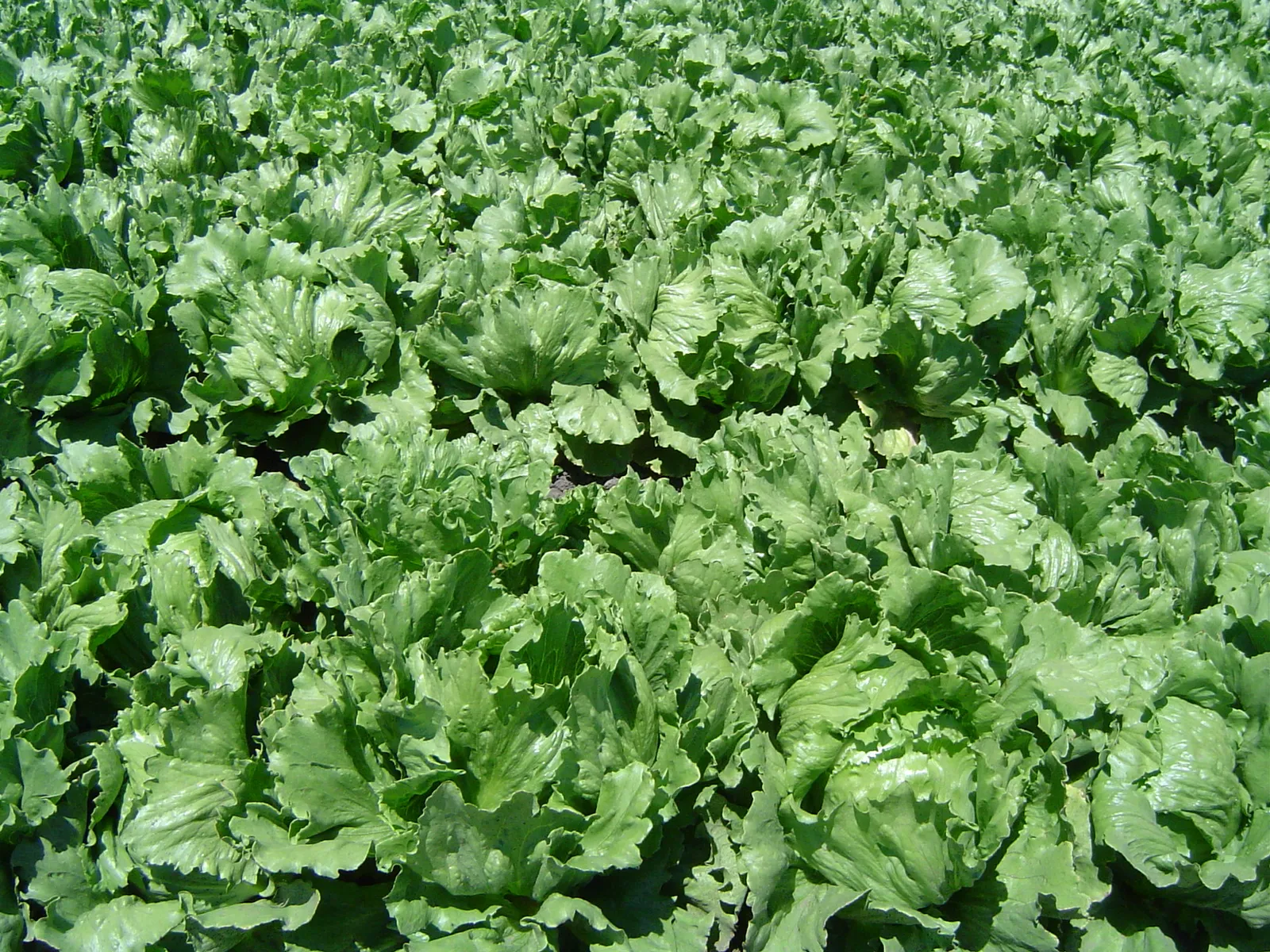
When to Plant Lettuce (Spring and Fall Timing by Zone)
Plant lettuce 2 to 4 weeks before your last spring frost, once the soil hits 40°F. It germinates best at 60 to 70°F and bolts in summer heat, so sow again 6 to 8 weeks before the first fall frost.
Jun 4, 2026 · 6 min read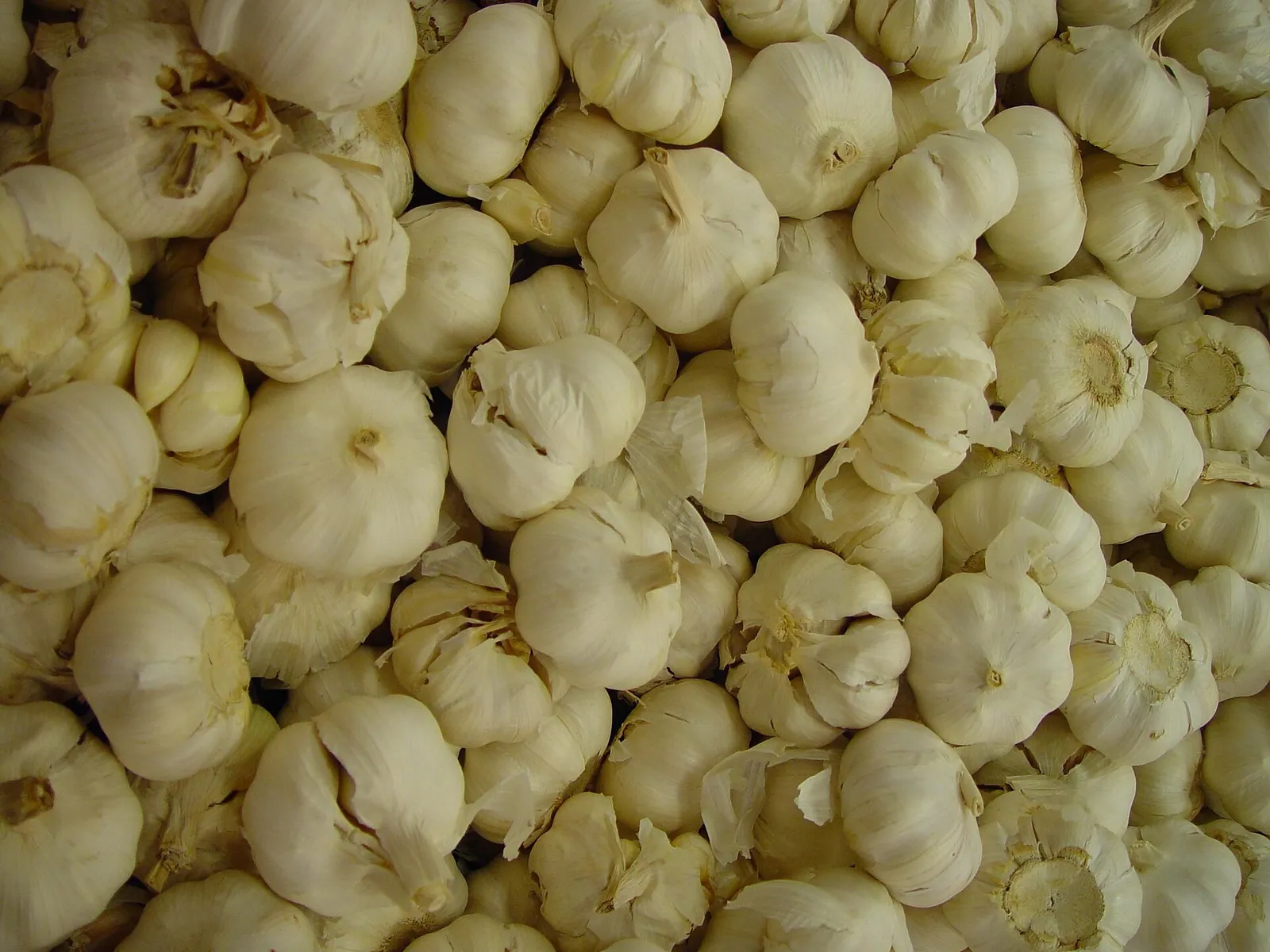
When to Plant Garlic (Fall Timing by Zone)
Plant garlic in fall, about 3 to 6 weeks before the ground freezes, so roots set before winter. That lands mid-September to November across most US zones. Plant cloves 2 inches deep, pointy end up, 4 to 6 inches apart.
Jun 4, 2026 · 6 min read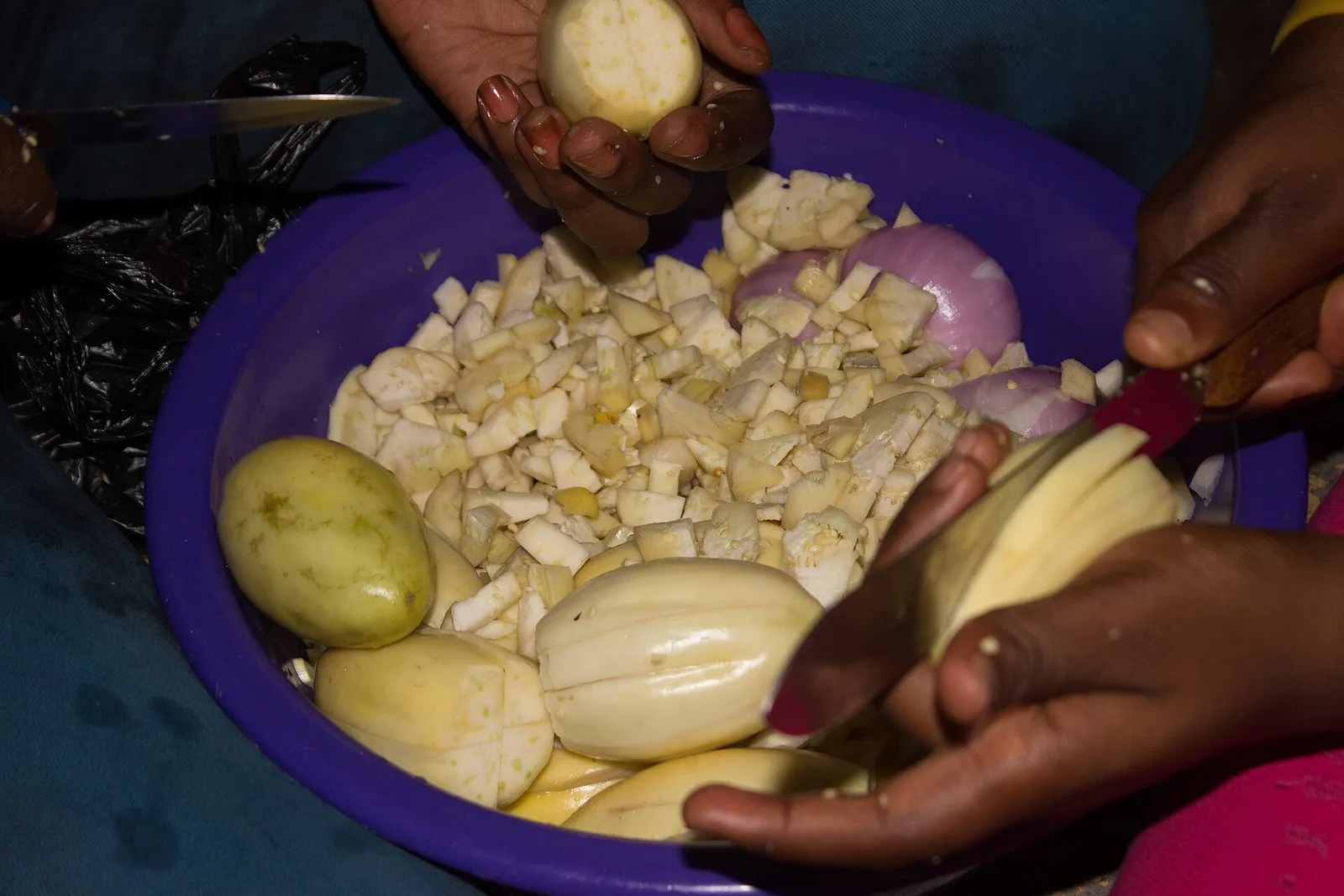
When to Plant Eggplant (Soil Temp + Frost Timing)
Set eggplant transplants out 1 to 3 weeks after your last spring frost, once the soil hits 60 to 70 F and nights stay above 50 F. Start seeds indoors 6 to 10 weeks before that frost date.
Jun 4, 2026 · 6 min read
When to Plant Cucumbers (Frost + Soil Temp by Zone)
Plant cucumbers 1 to 2 weeks after your last spring frost, once soil reaches at least 60 to 65 F. Get timing by zone, direct-sow vs transplant, a planting window table, and fall succession.
Jun 4, 2026 · 6 min read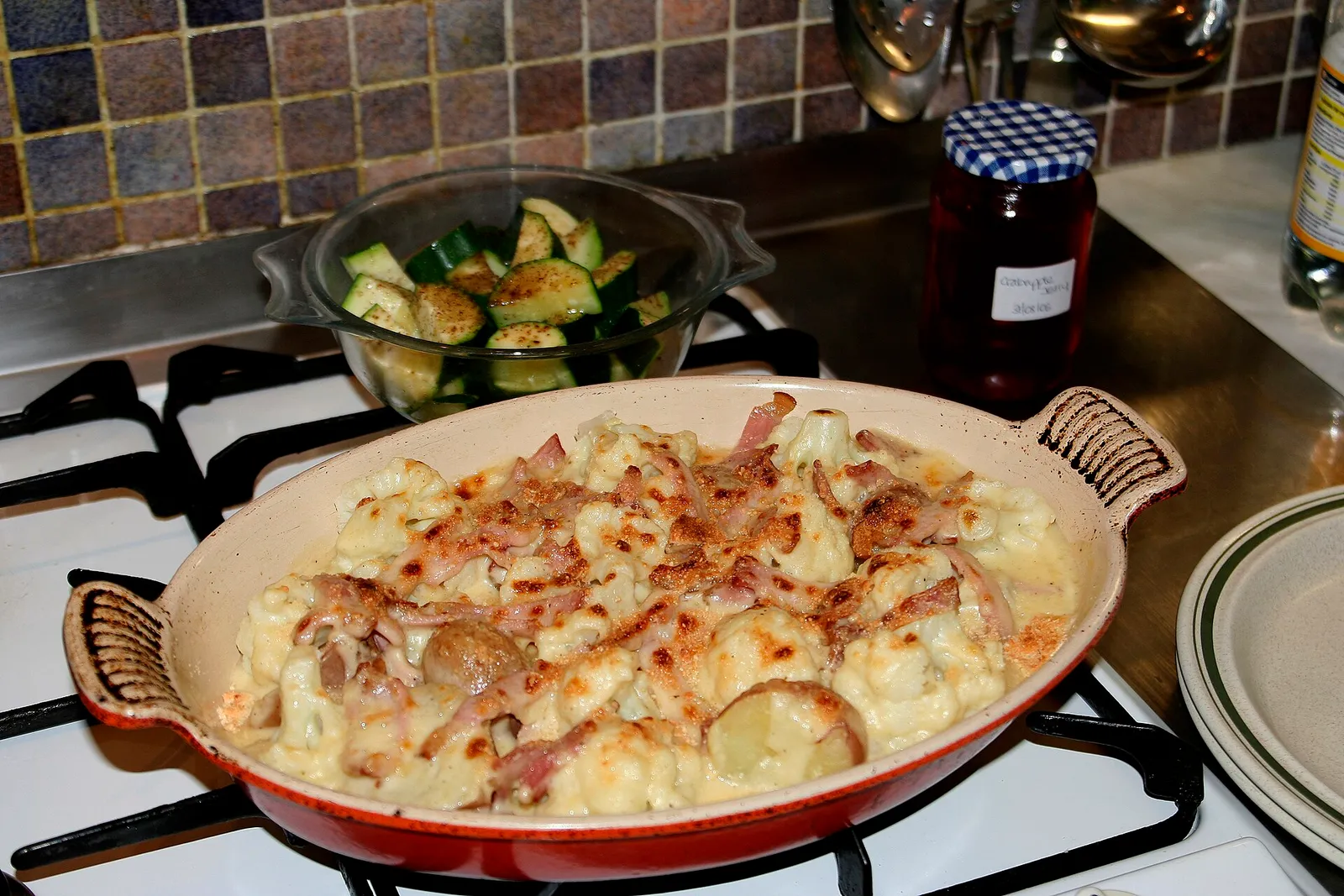
When to Plant Cauliflower (Spring and Fall Timing by Zone)
Set cauliflower transplants out 2 to 4 weeks before your last spring frost, once soil reaches about 50 F. In hot-summer zones, plant for fall instead, 6 to 8 weeks before the first fall frost.
Jun 4, 2026 · 6 min read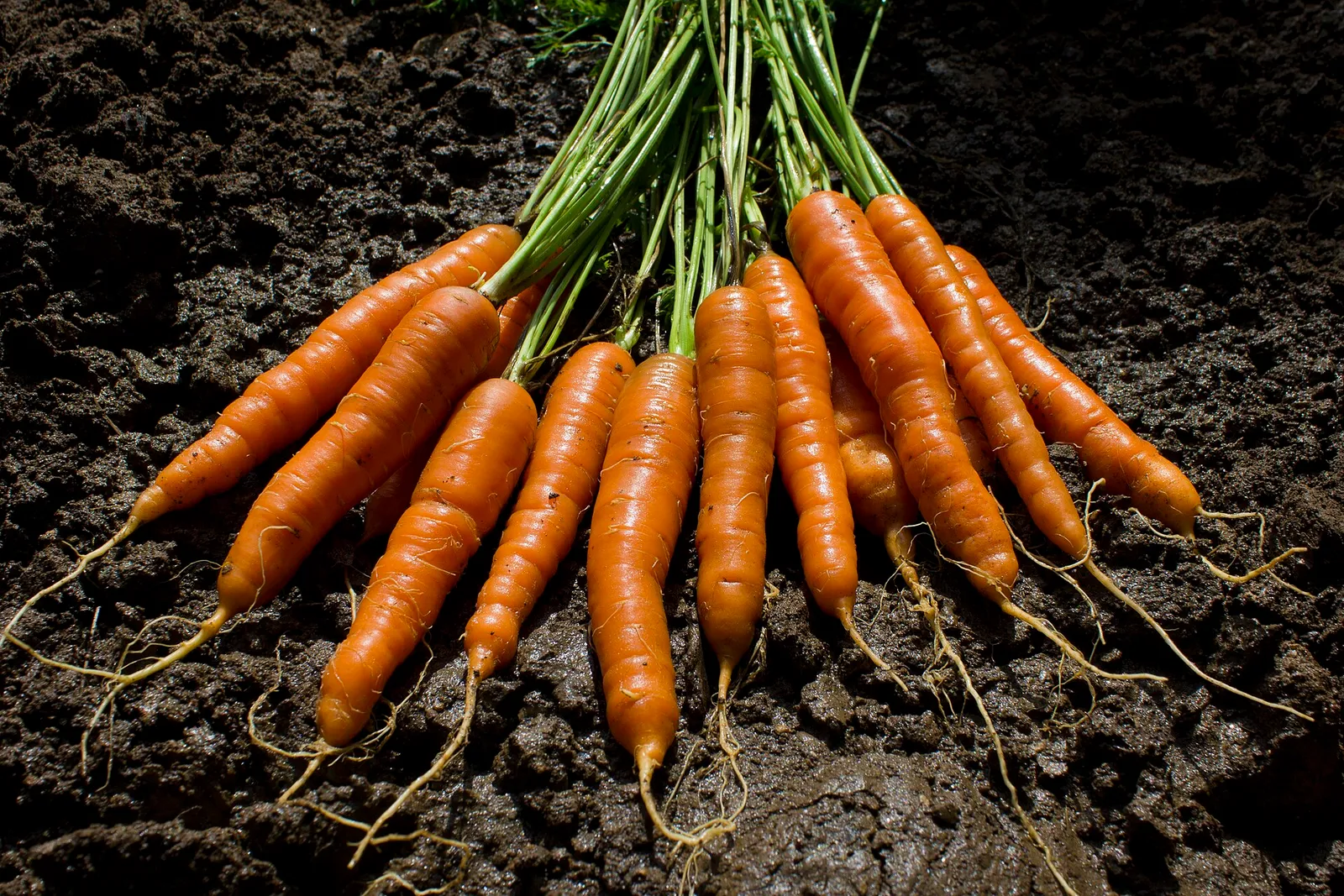
When to Plant Carrots (Spring and Fall Timing by Zone)
Sow carrot seeds 2 to 4 weeks before your last spring frost, once the soil warms past 40 to 45 F. For a fall crop, sow 10 to 12 weeks before the first fall frost. Carrots tolerate light frost.
Jun 4, 2026 · 6 min read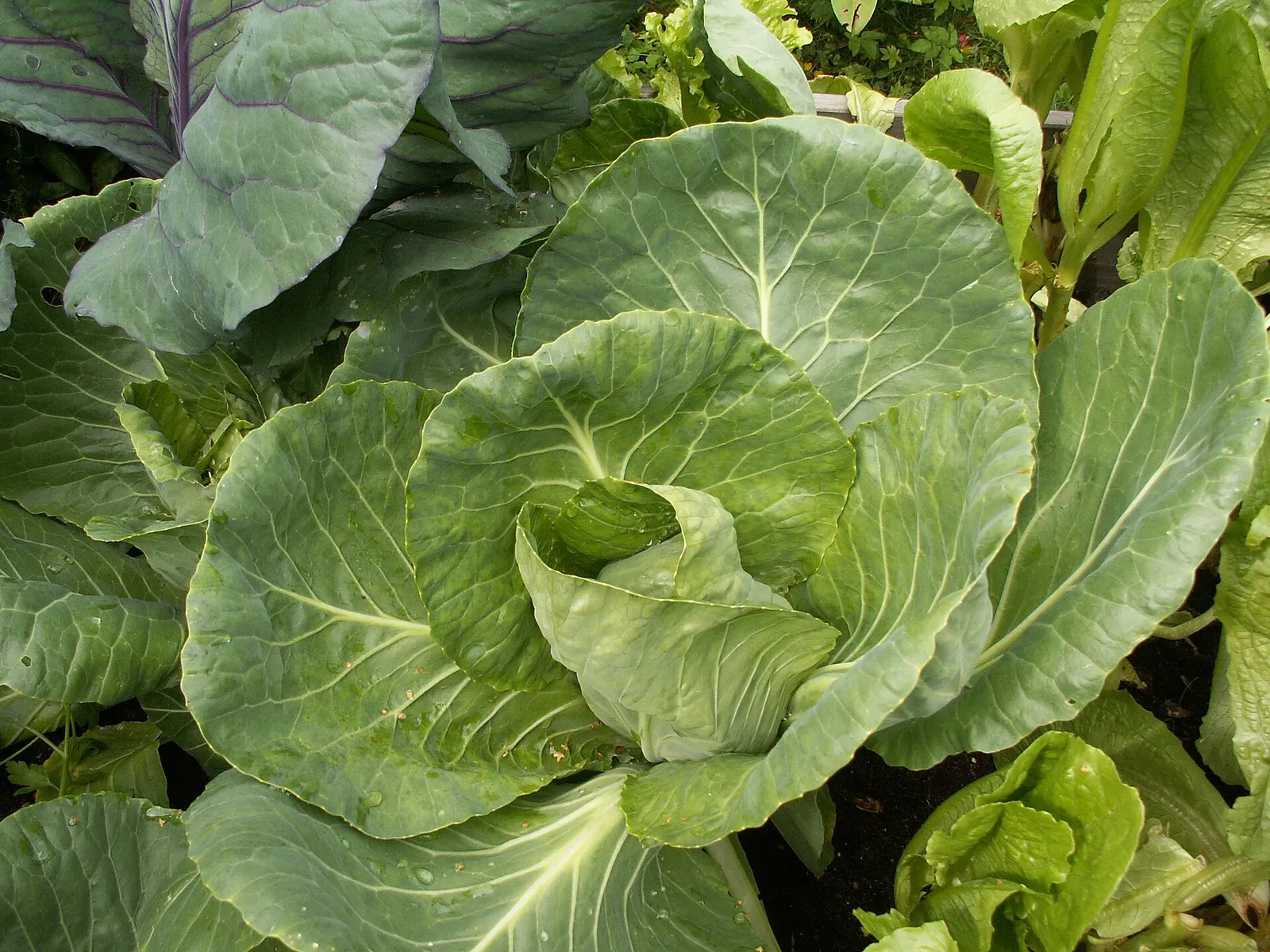
When to Plant Cabbage (Spring and Fall Timing)
Set cabbage transplants out 2 to 4 weeks before the last spring frost, once soil reaches about 45 F. For a fall crop, plant transplants 6 to 8 weeks before the first fall frost. Cabbage matures in 60 to 100 days.
Jun 4, 2026 · 6 min read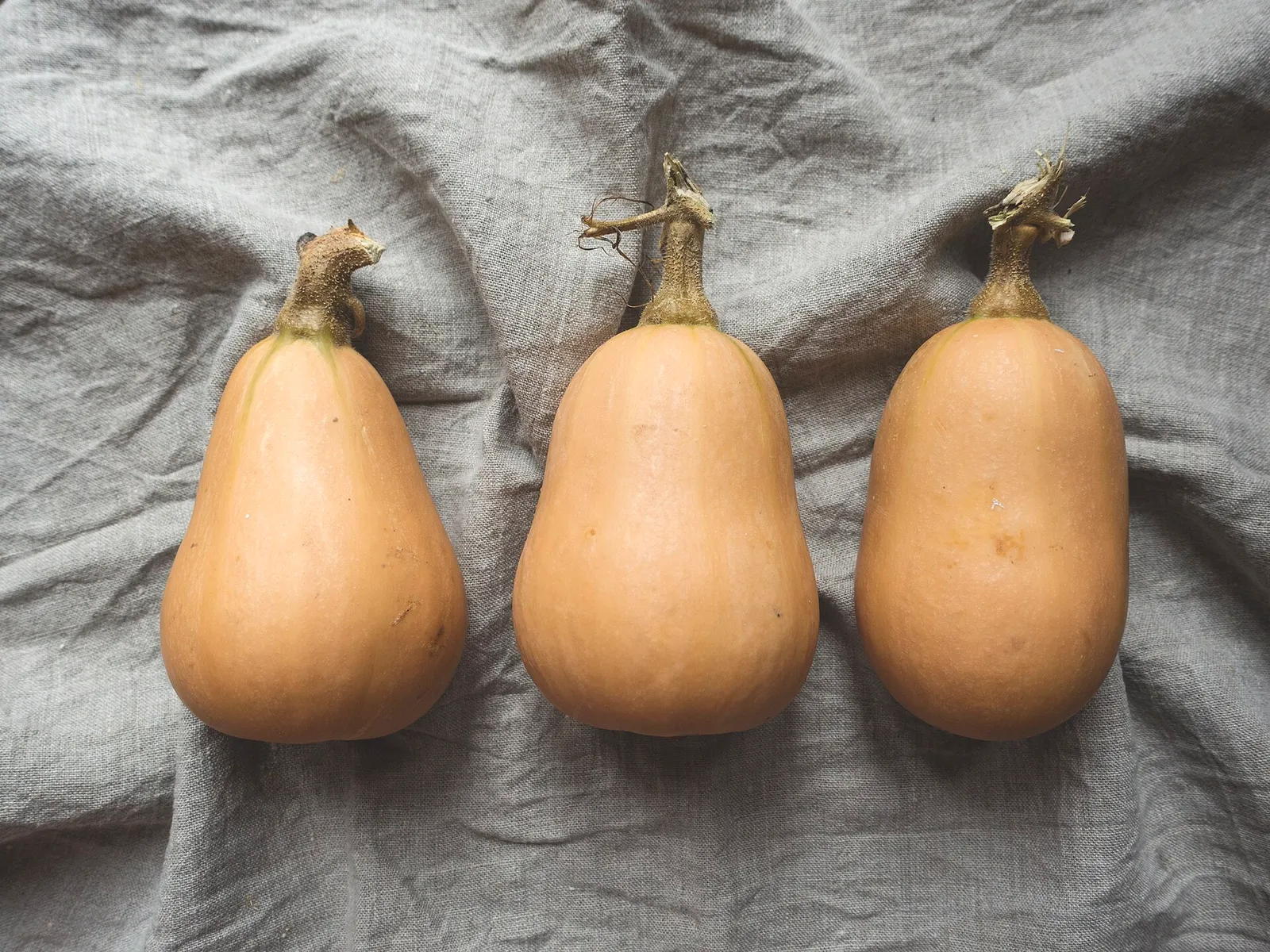
When to Plant Butternut Squash (Soil Temp + Frost Timing)
Plant butternut squash after the last spring frost, once the soil holds 65 to 70°F, usually 1 to 2 weeks past frost. Most varieties need 100 to 110 warm days, so count back from your first fall frost for the late cutoff.
Jun 4, 2026 · 6 min read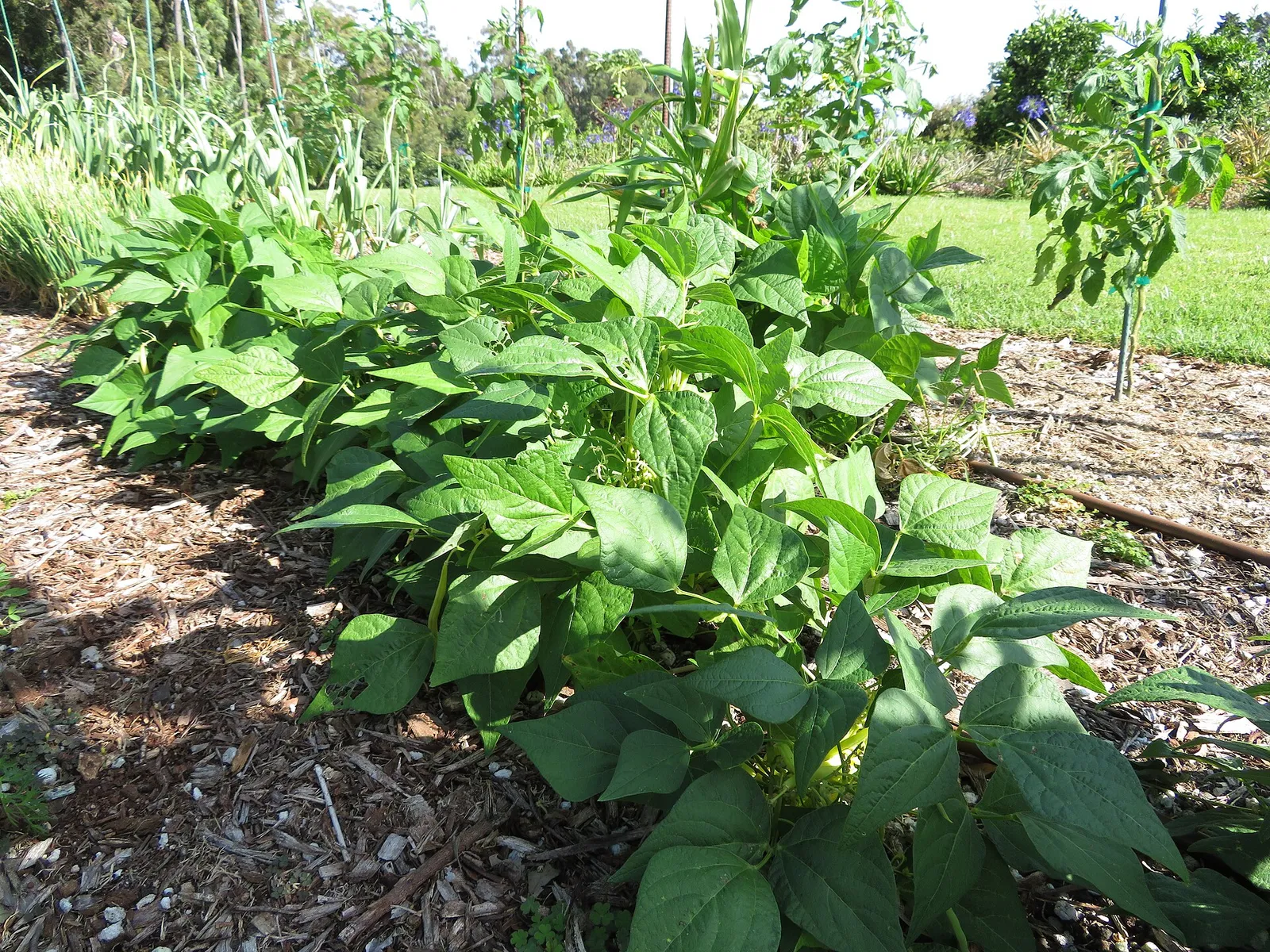
When to Plant Bush Beans (Soil Temp + Frost Timing)
Plant bush beans after your last spring frost, once the soil hits 60°F. Sow seed 1 inch deep, 2 to 4 inches apart. For a fall crop, sow 6 to 8 weeks before the first fall frost.
Jun 4, 2026 · 6 min read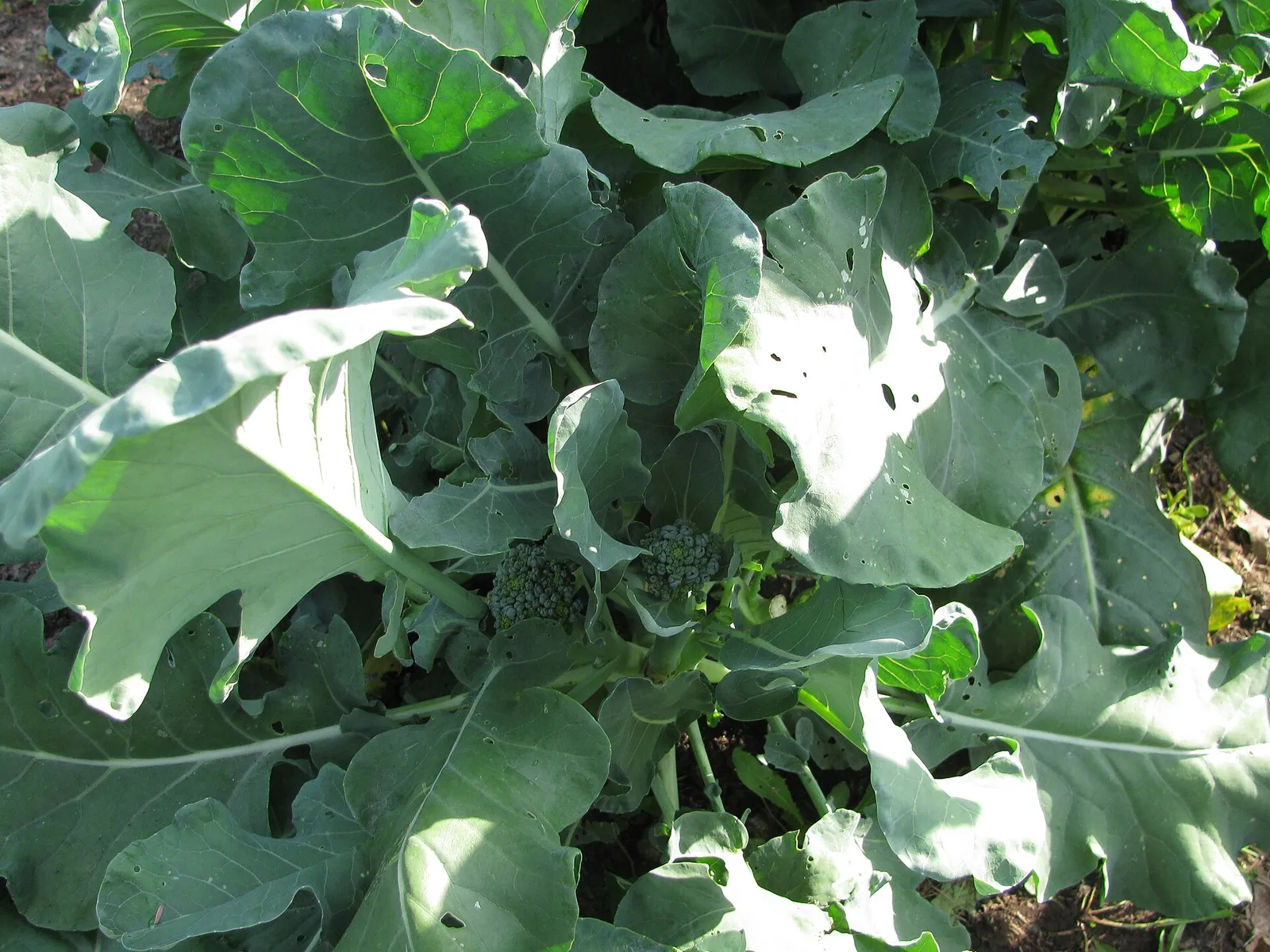
When to Plant Broccoli (Spring and Fall Timing by Zone)
Set broccoli transplants out 2 to 4 weeks before your last spring frost, once soil reaches about 40 F. For a fall crop, plant 6 to 10 weeks before the first fall frost. Timing by zone, soil-temp cues, and the common mistakes.
Jun 4, 2026 · 6 min read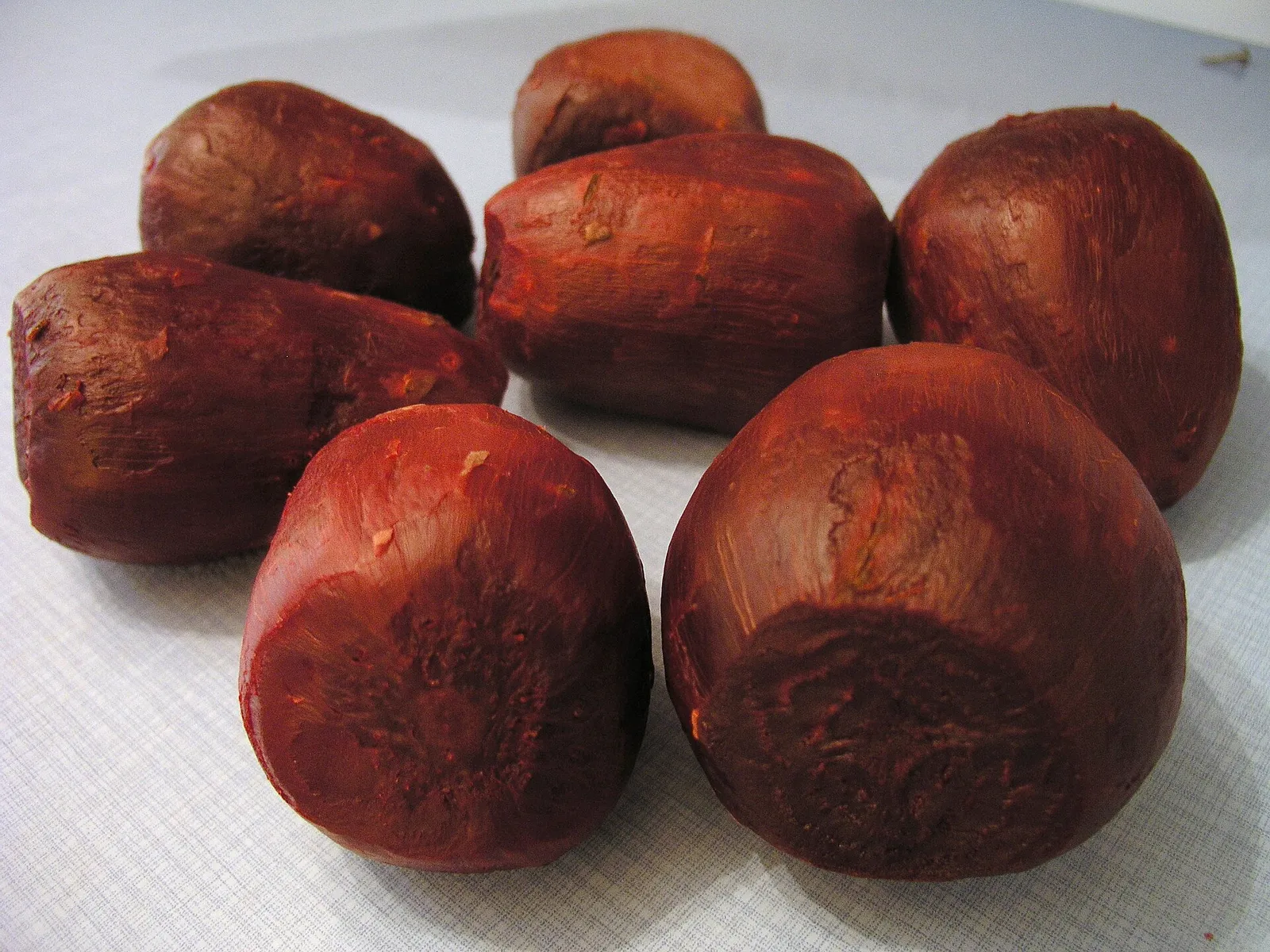
When to Plant Beets (Spring and Fall Timing by Zone)
Plant beets 2 to 4 weeks before your last spring frost, as soon as the soil can be worked and reaches about 50 F. Sow a second crop in late summer for a fall harvest. Beets are direct-sown, never transplanted.
Jun 4, 2026 · 6 min read
When to Plant Basil (Frost and Soil Temperature)
Plant basil outdoors 1 to 2 weeks after your last spring frost, once nights stay above 50 F and the soil has warmed. Start seeds indoors 6 weeks before the last frost for an early crop.
Jun 4, 2026 · 6 min read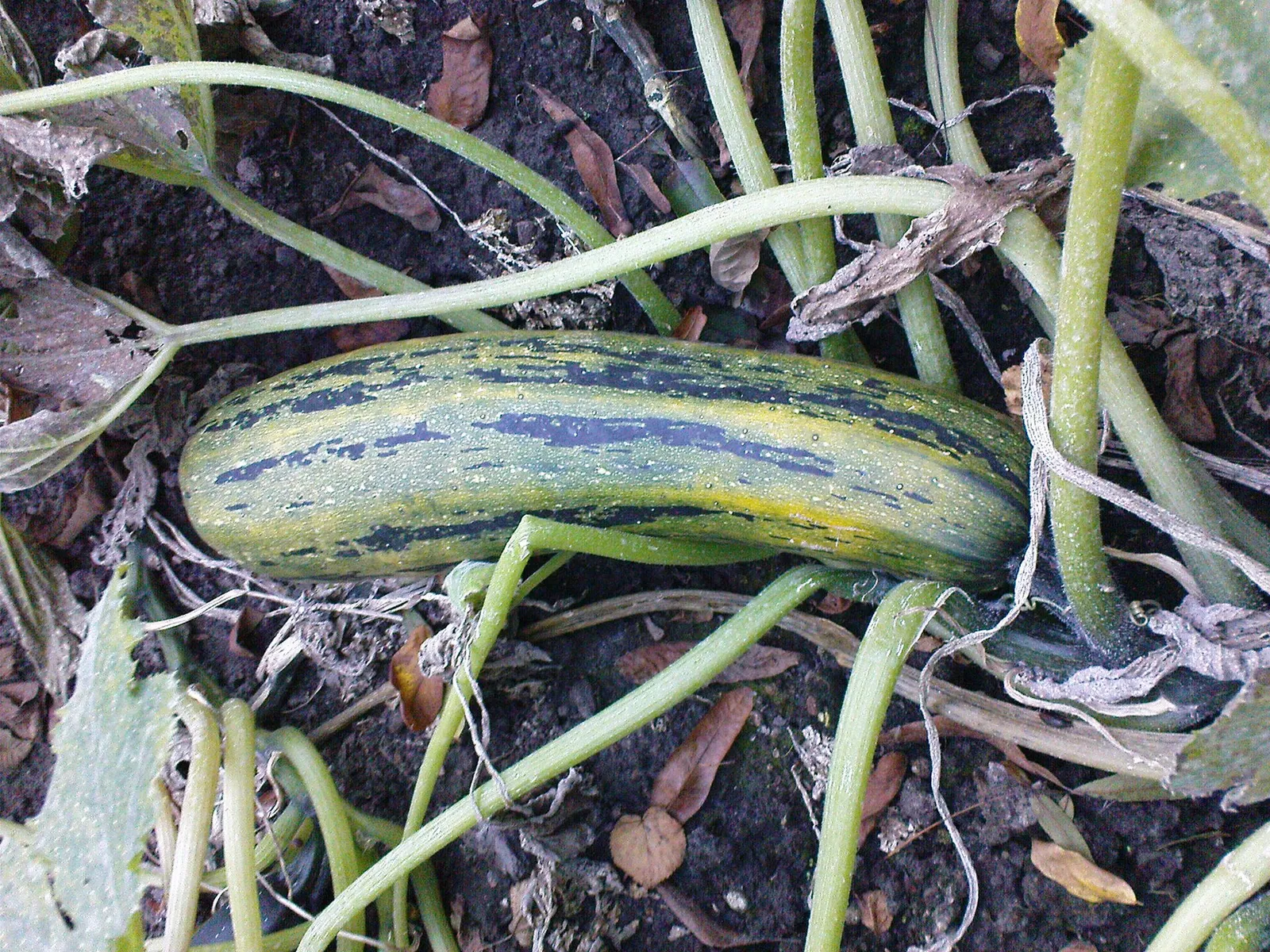
When to Harvest Zucchini (Best Size + Signs)
Zucchini is ready about 45 to 65 days after planting, best picked young at 6 to 8 inches long and about 2 inches thick, when the skin is glossy and a thumbnail dents it easily. Here are the size cues, the cut-don't-pull method, and why you check daily.
Jun 4, 2026 · 6 min read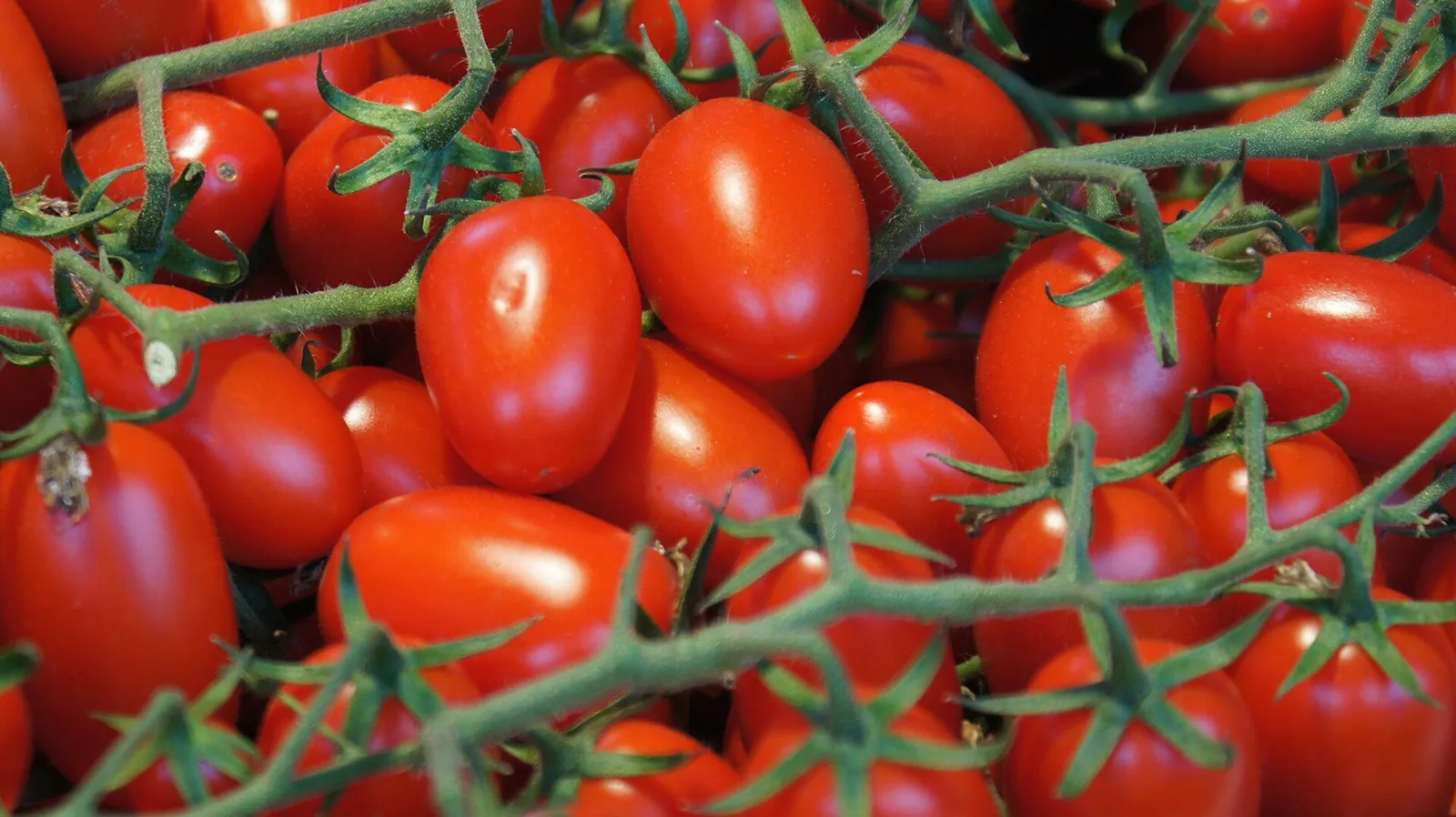
When to Harvest Tomatoes (Signs They're Ready)
Tomatoes are ready about 60 to 85 days after transplant, when they are fully colored and give slightly to a gentle squeeze. Here are the cues, the twist-or-cut method, and how to ripen the rest on the counter.
Jun 4, 2026 · 6 min read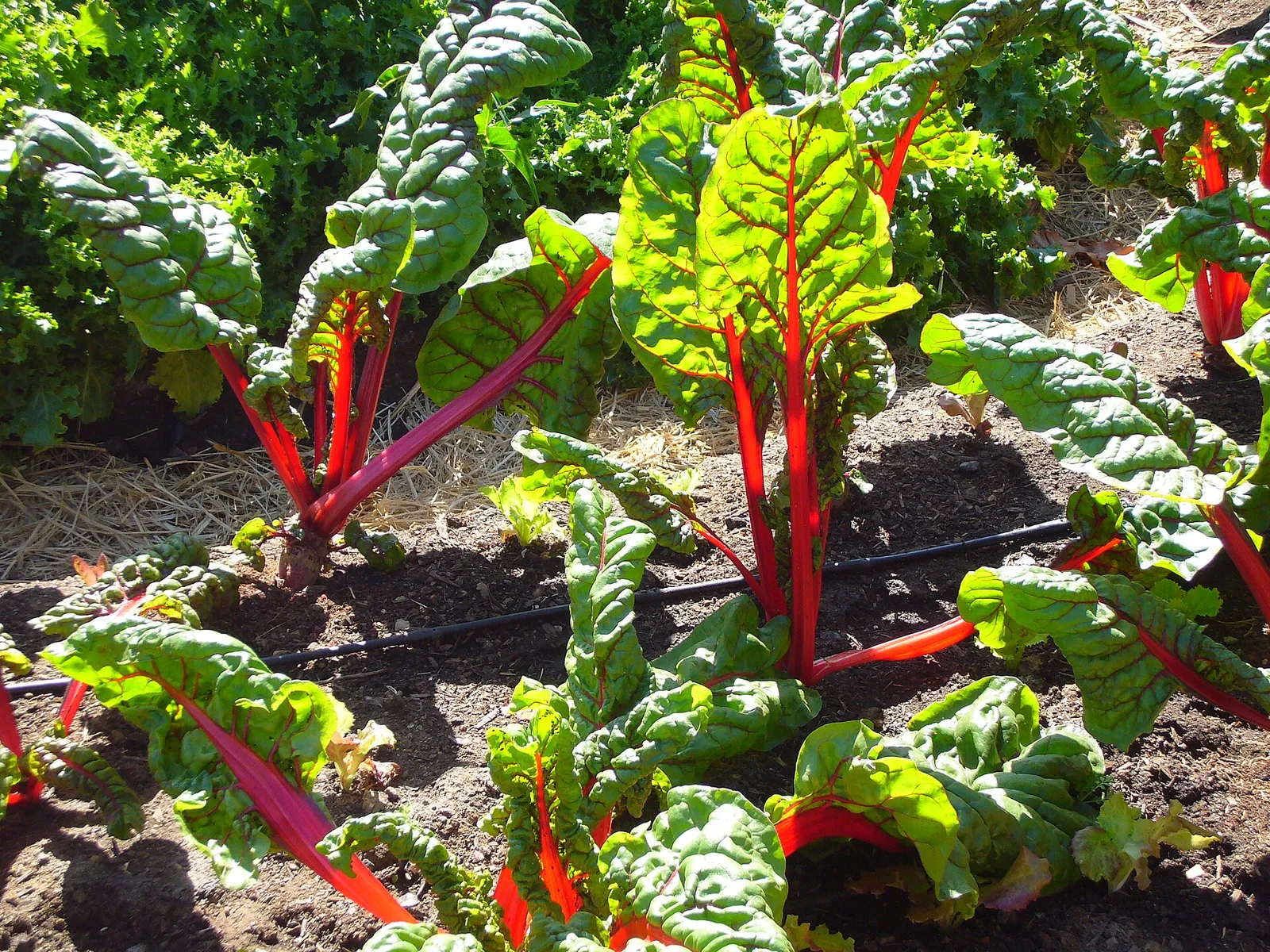
When to Harvest Swiss Chard (Signs It's Ready)
Swiss chard is ready for its first cut about 50 to 60 days after sowing, once the outer leaves reach 8 to 12 inches. Take the outer leaves and leave the center, and one plant keeps producing all season.
Jun 4, 2026 · 6 min read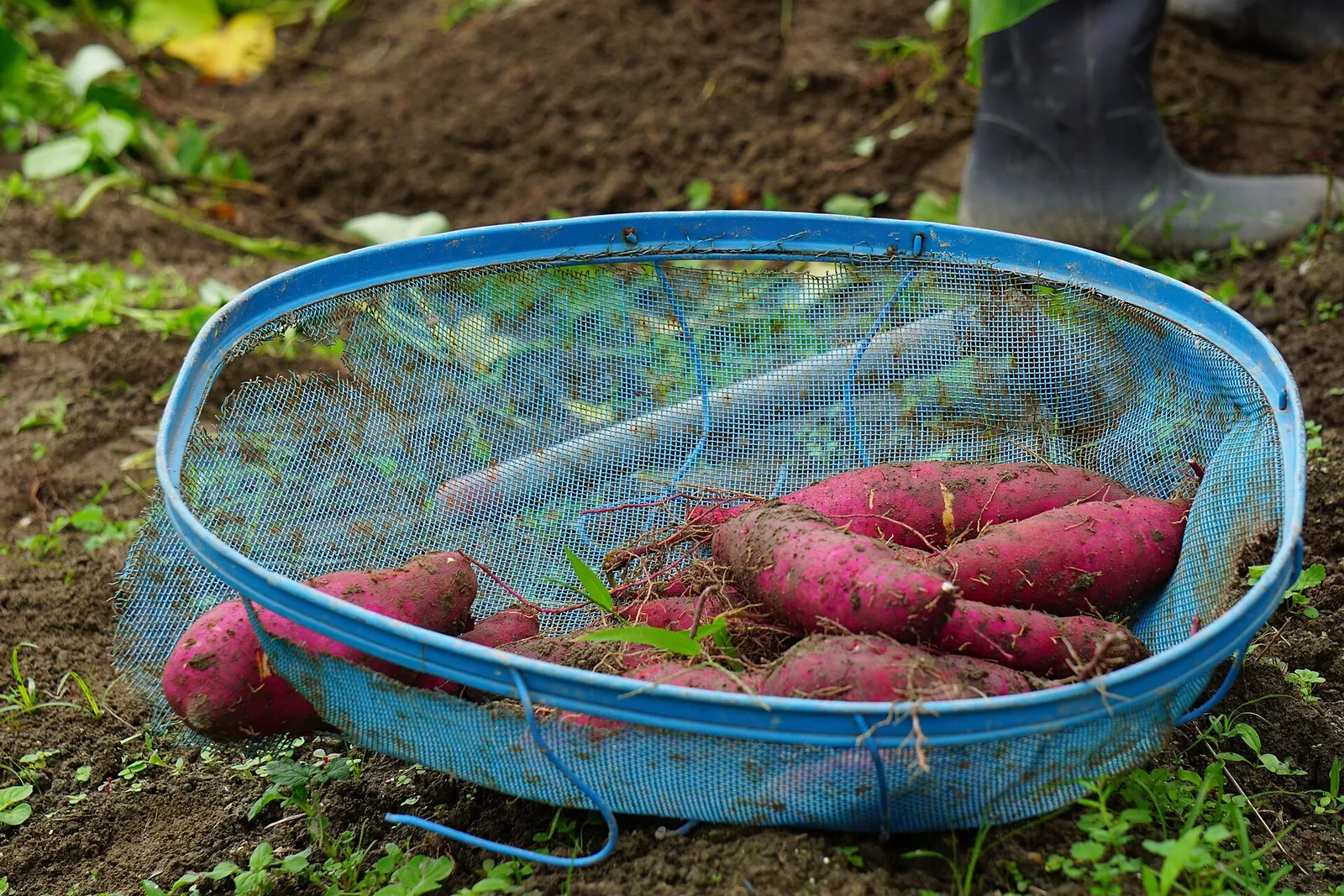
When to Harvest Sweet Potatoes (Signs They're Ready)
Sweet potatoes are ready about 90 to 120 days after transplanting, before the first fall frost. Dig when the vines yellow, then cure before you eat them.
Jun 4, 2026 · 6 min read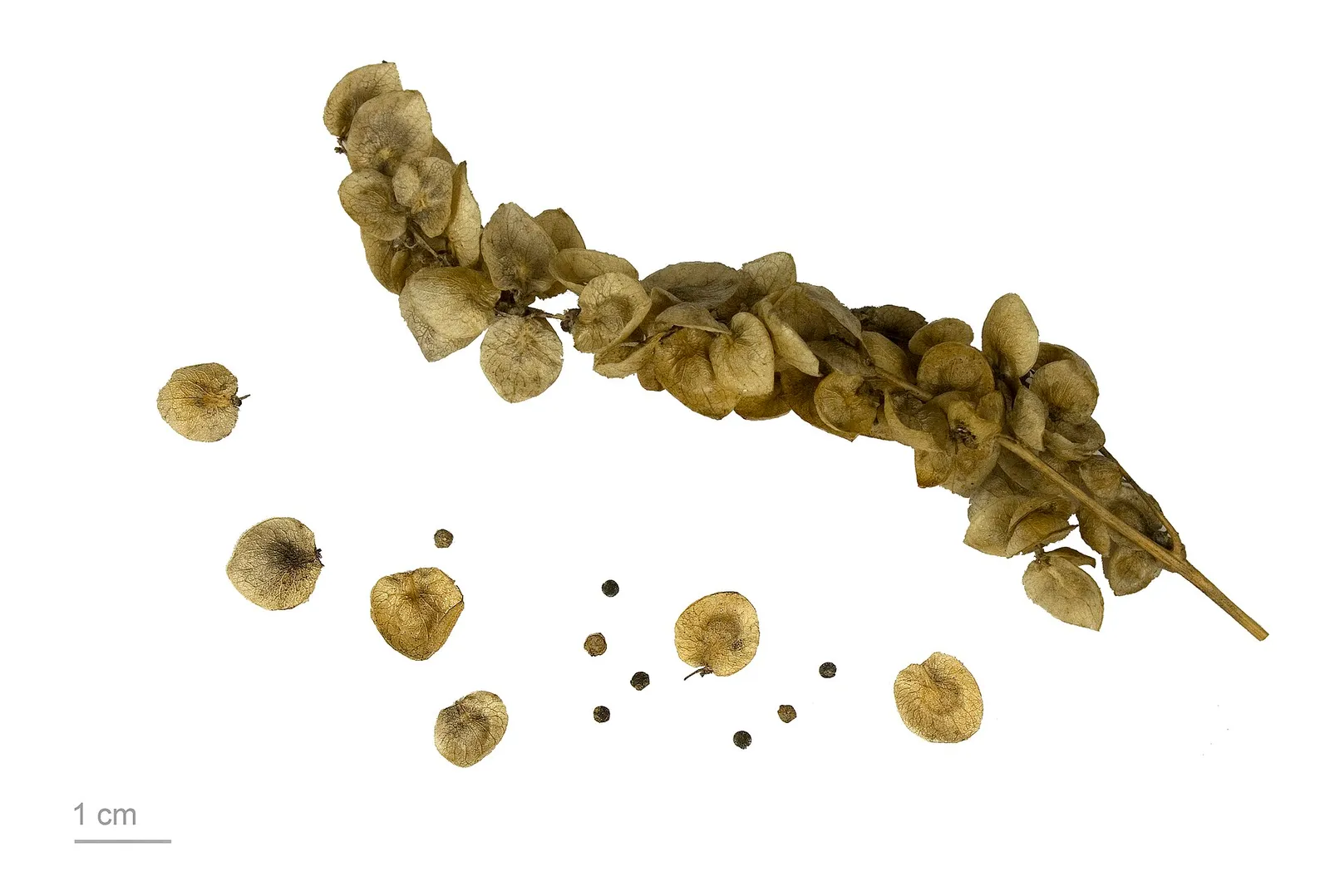
When to Harvest Spinach (Signs It's Ready)
Spinach is ready about 37 to 50 days after sowing, once a plant has five or six leaves that are 3 to 6 inches long. Pick the outer leaves or cut the whole plant above the crown, and harvest before it bolts in heat.
Jun 4, 2026 · 6 min read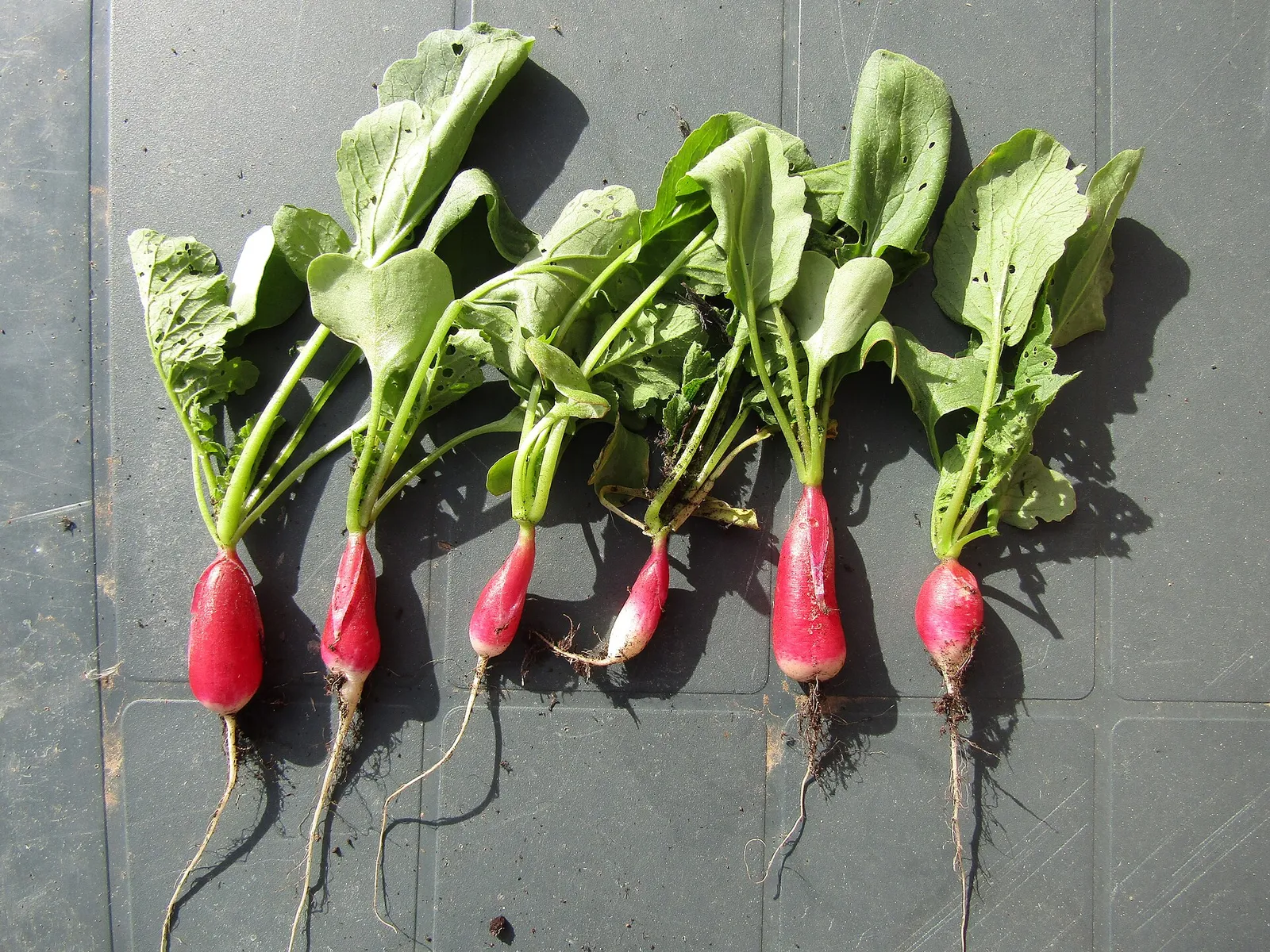
When to Harvest Radishes (Signs They're Ready)
Salad radishes are ready fast, about 22 to 35 days after sowing, when the root is roughly 1 inch across at the soil line. Pull promptly, check the shoulder, and learn how daikon and winter types differ.
Jun 4, 2026 · 6 min read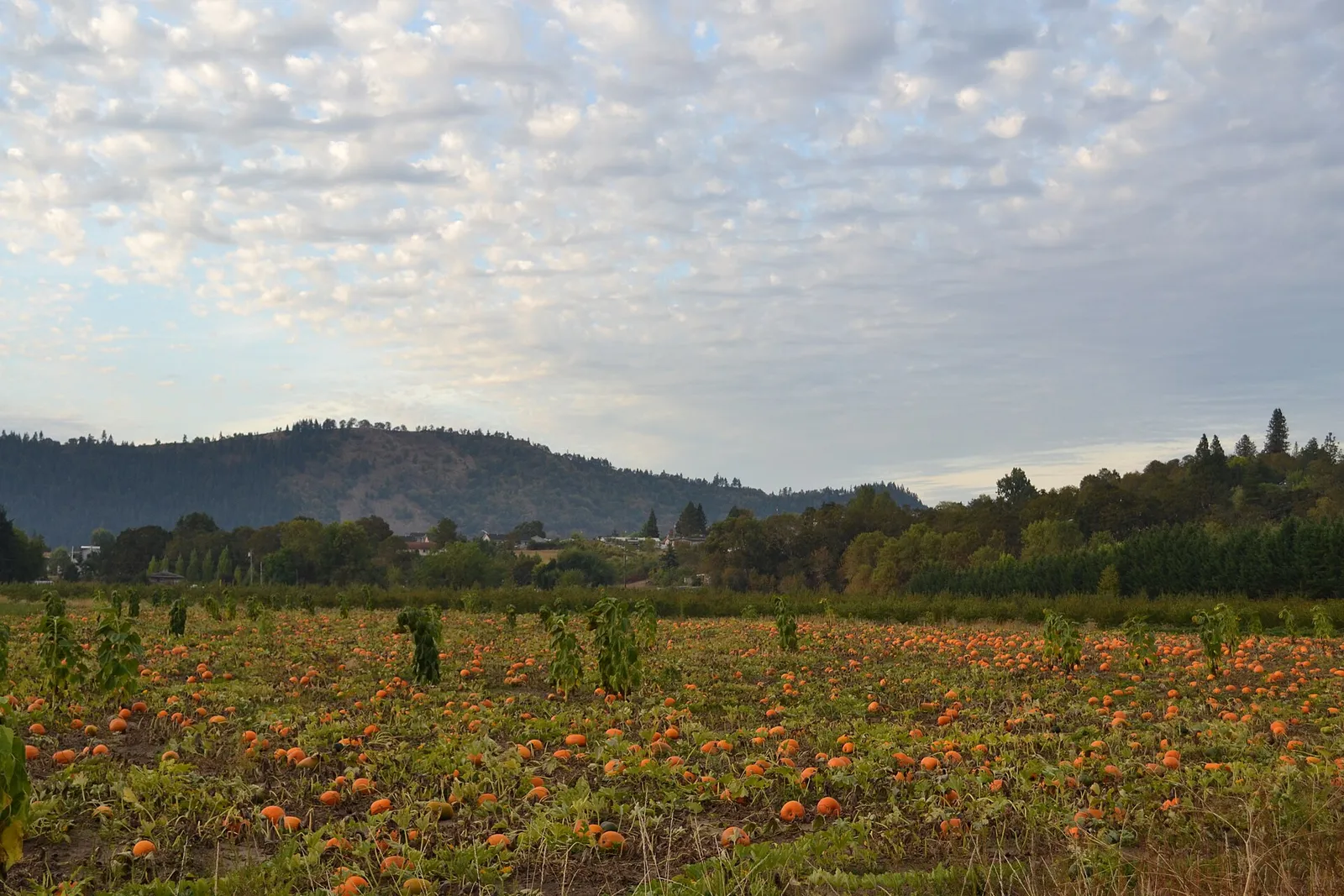
When to Harvest Pumpkins (Signs They're Ready)
Pumpkins are ready about 90 to 120 days from planting, when the color is deep and even, the rind shrugs off a thumbnail, and the stem turns hard and woody.
Jun 4, 2026 · 6 min read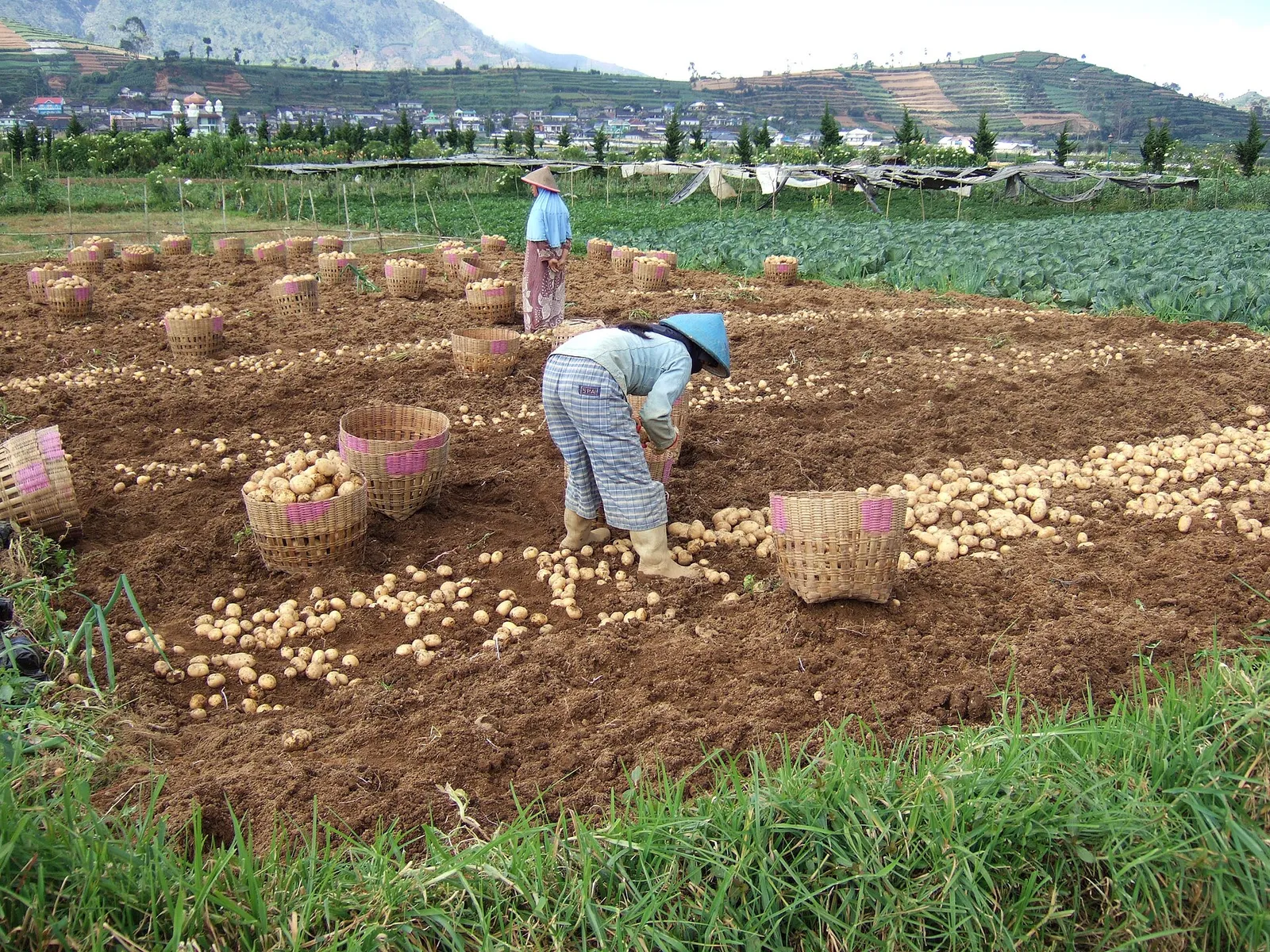
When to Harvest Potatoes (Signs They're Ready)
Dig new potatoes around flowering, about 6 to 8 weeks after planting. Wait for maincrop potatoes until the tops die back and the skin sets, roughly 90 to 120 days.
Jun 4, 2026 · 6 min read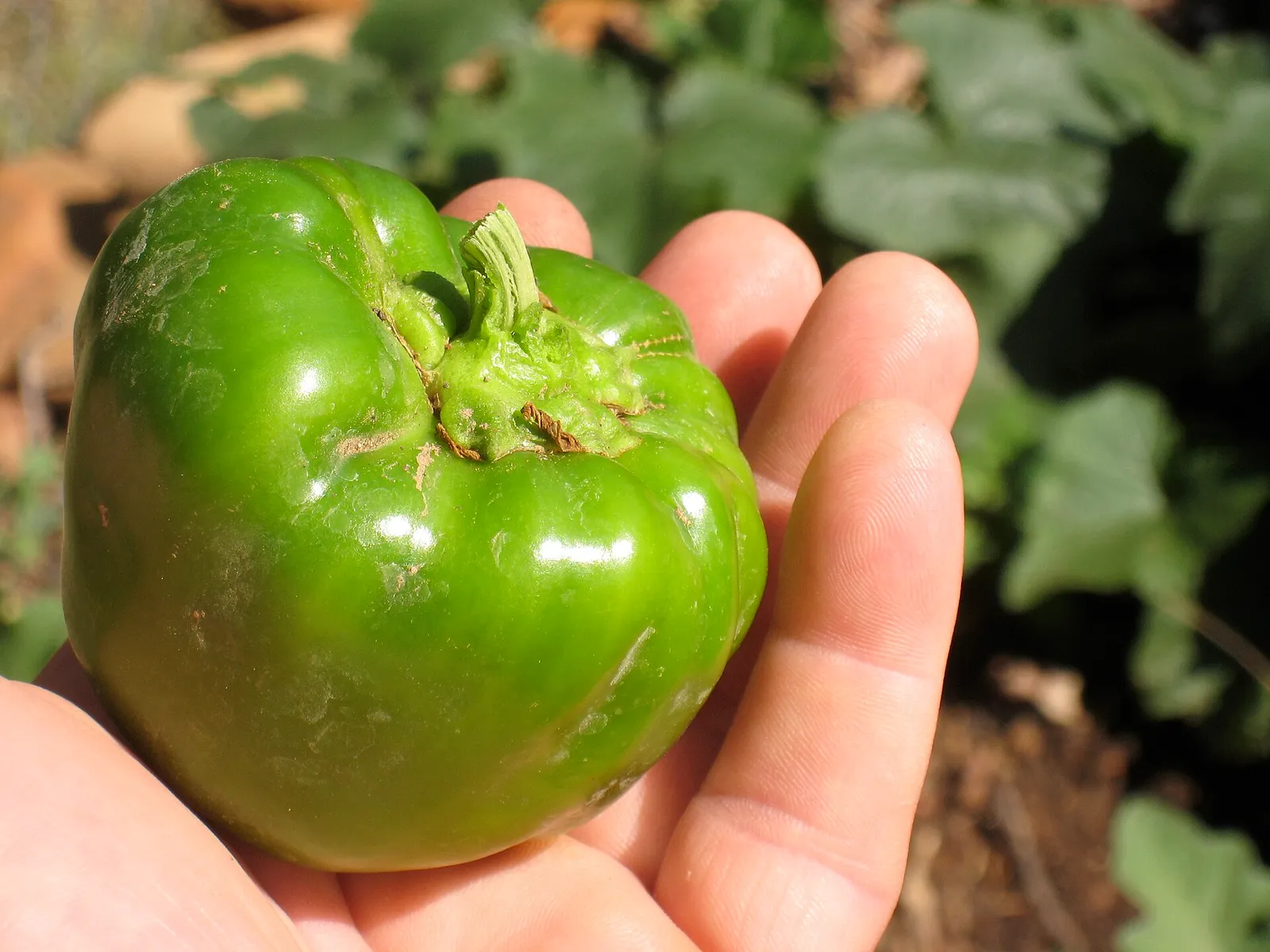
When to Harvest Peppers (Green vs Ripe)
Bell peppers are full size and firm at green stage around 60 to 70 days, and fully ripe in red, yellow, or orange around 80 to 90 days. Here are the cues, the cut-don't-pull method, and the green-versus-ripe trade-off.
Jun 4, 2026 · 6 min read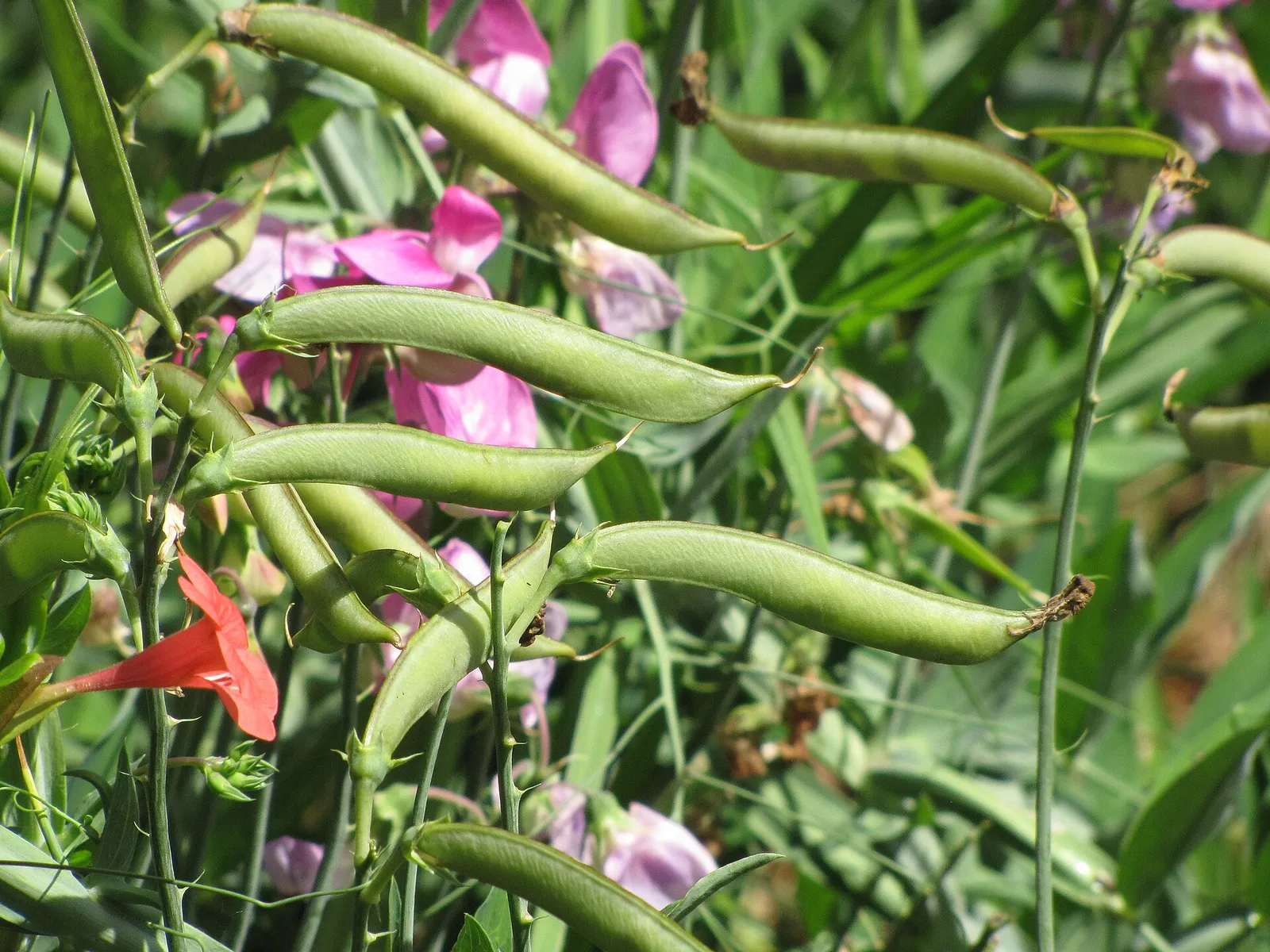
When to Harvest Peas (Snow, Snap & Shelling)
Peas are ready about 55 to 70 days after sowing. Pick snow peas while the pods are flat, snap peas when they are plump and glossy, and shelling peas when the pods are full and round. Pick every 1 to 2 days, because the sugars turn to starch fast.
Jun 4, 2026 · 6 min read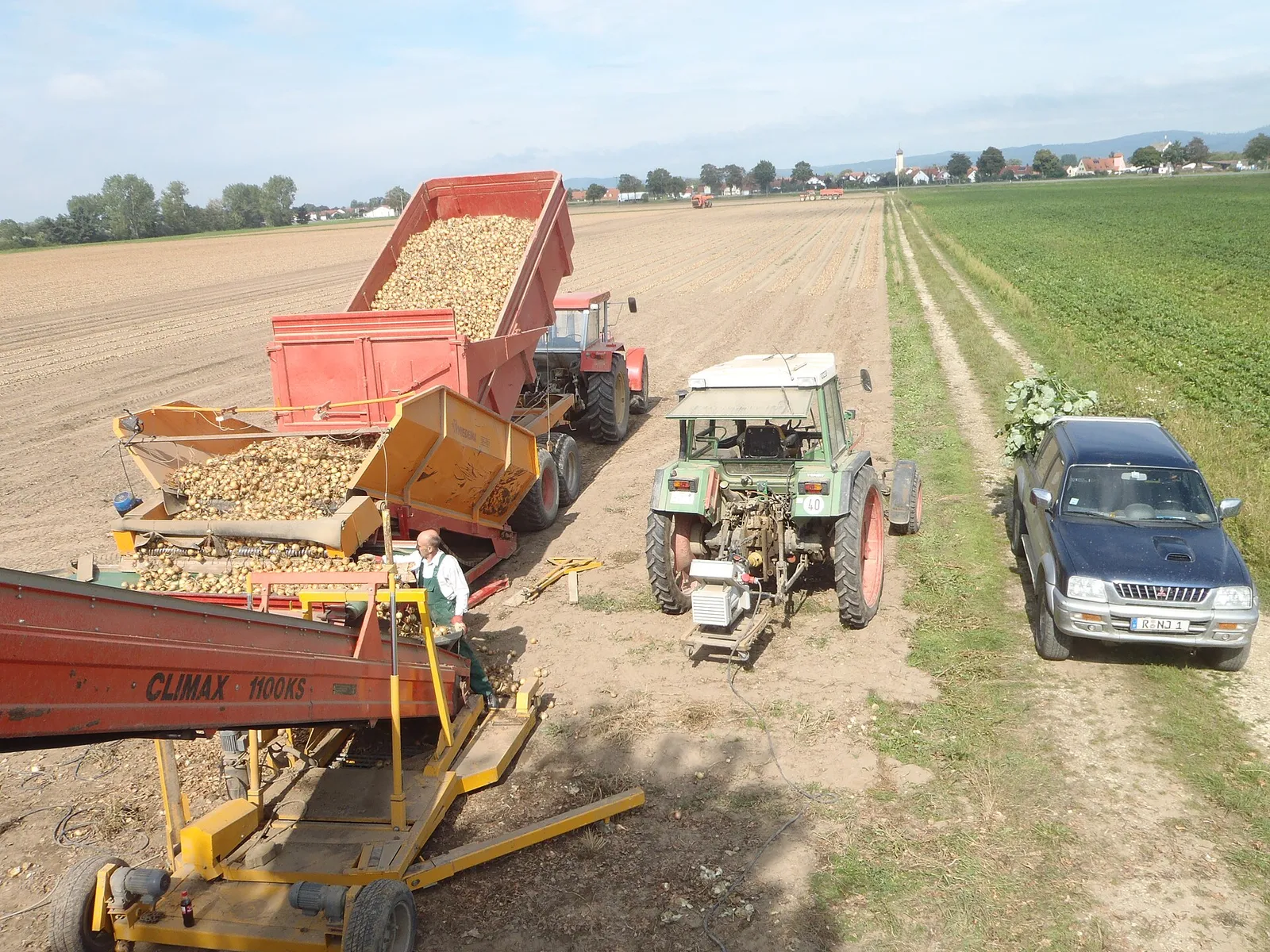
When to Harvest Onions (Signs They're Ready)
Storage onions are ready when about half to most of the tops have flopped over and the necks soften, usually around 90 to 110 days. Here are the signs, plus how to lift, cure, and store them.
Jun 4, 2026 · 6 min read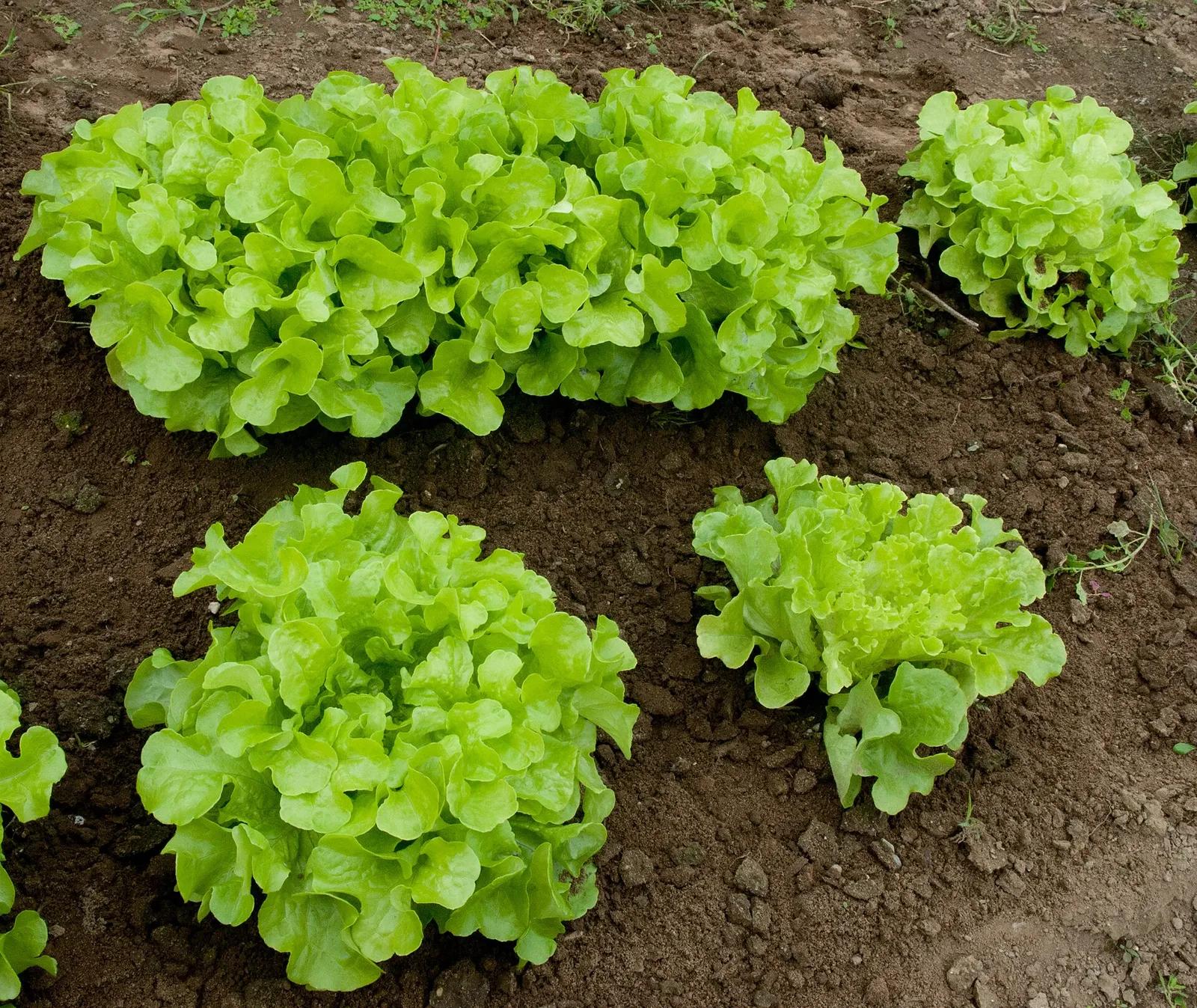
When to Harvest Lettuce (Leaf + Head Types)
Lettuce is ready about 30 to 60 days after sowing. Pick the outer leaves of leaf types as soon as they are 3 to 4 inches, and cut head types when they are full and firm. Here are the cues, the cut-and-come-again trick, and how to beat the bolt.
Jun 4, 2026 · 6 min read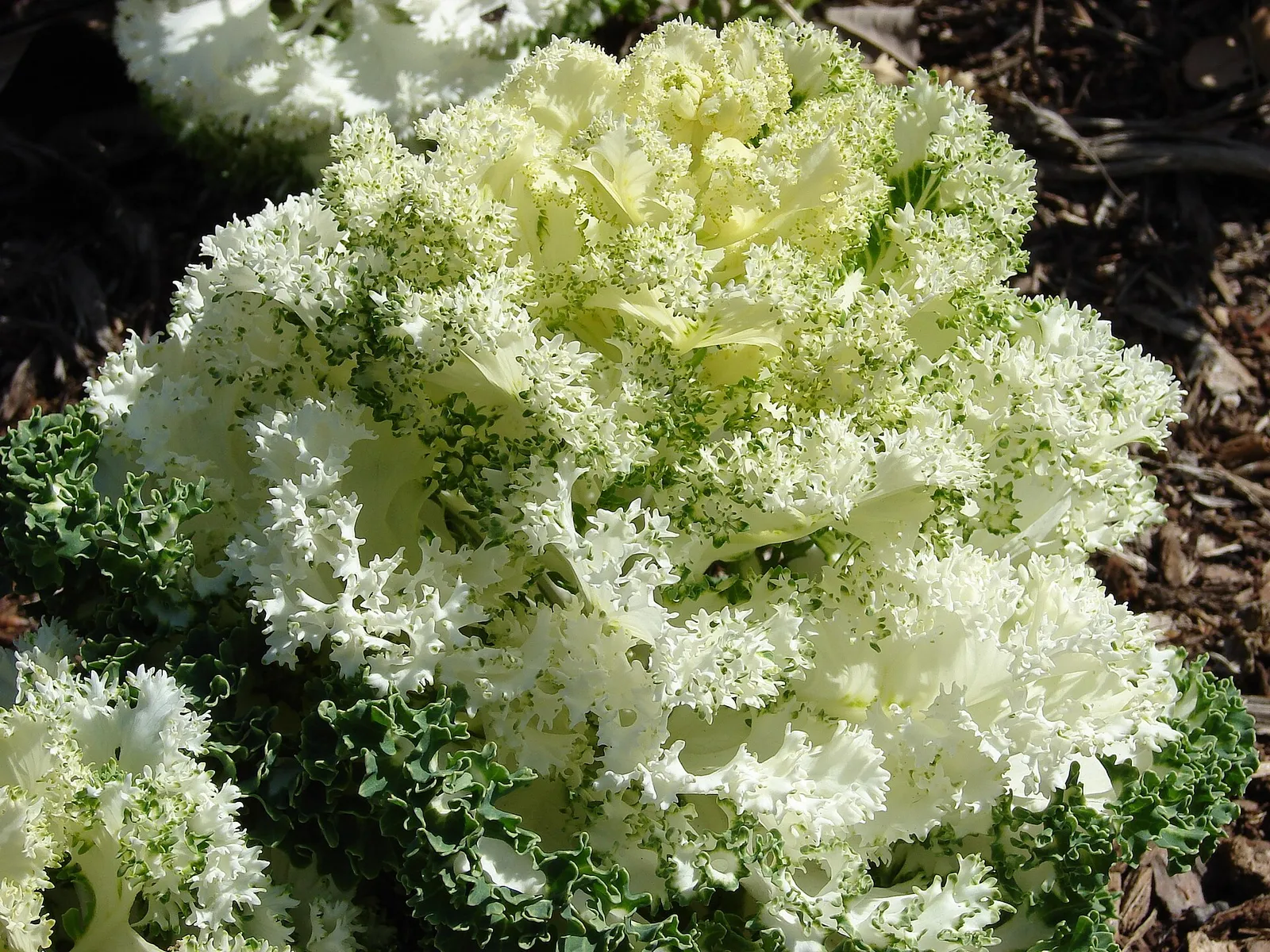
When to Harvest Kale (Signs It's Ready)
Kale is ready about 50 to 65 days after sowing for full leaves, or about 25 to 30 days for baby leaves. Pick the outer leaves from the bottom up, leave the central bud, and the plant keeps producing for months.
Jun 4, 2026 · 6 min read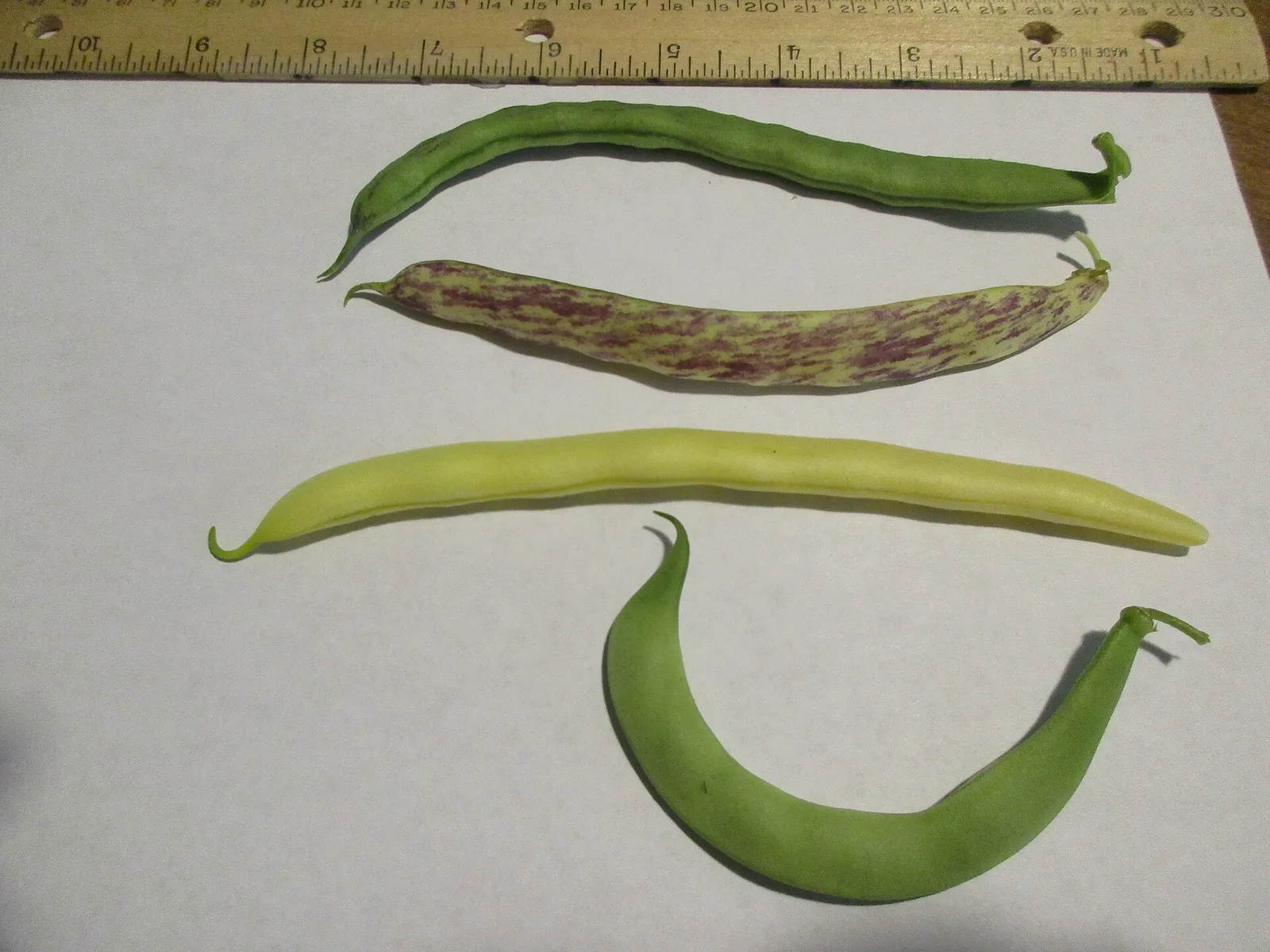
When to Harvest Green Beans (Signs They're Ready)
Green beans are ready about 50 to 60 days (bush) or 60 to 70 days (pole), picked young when the pods are firm, smooth, pencil-thick, and 4 to 6 inches long, before the seeds bulge. Pick every 1 to 3 days to keep them coming.
Jun 4, 2026 · 6 min read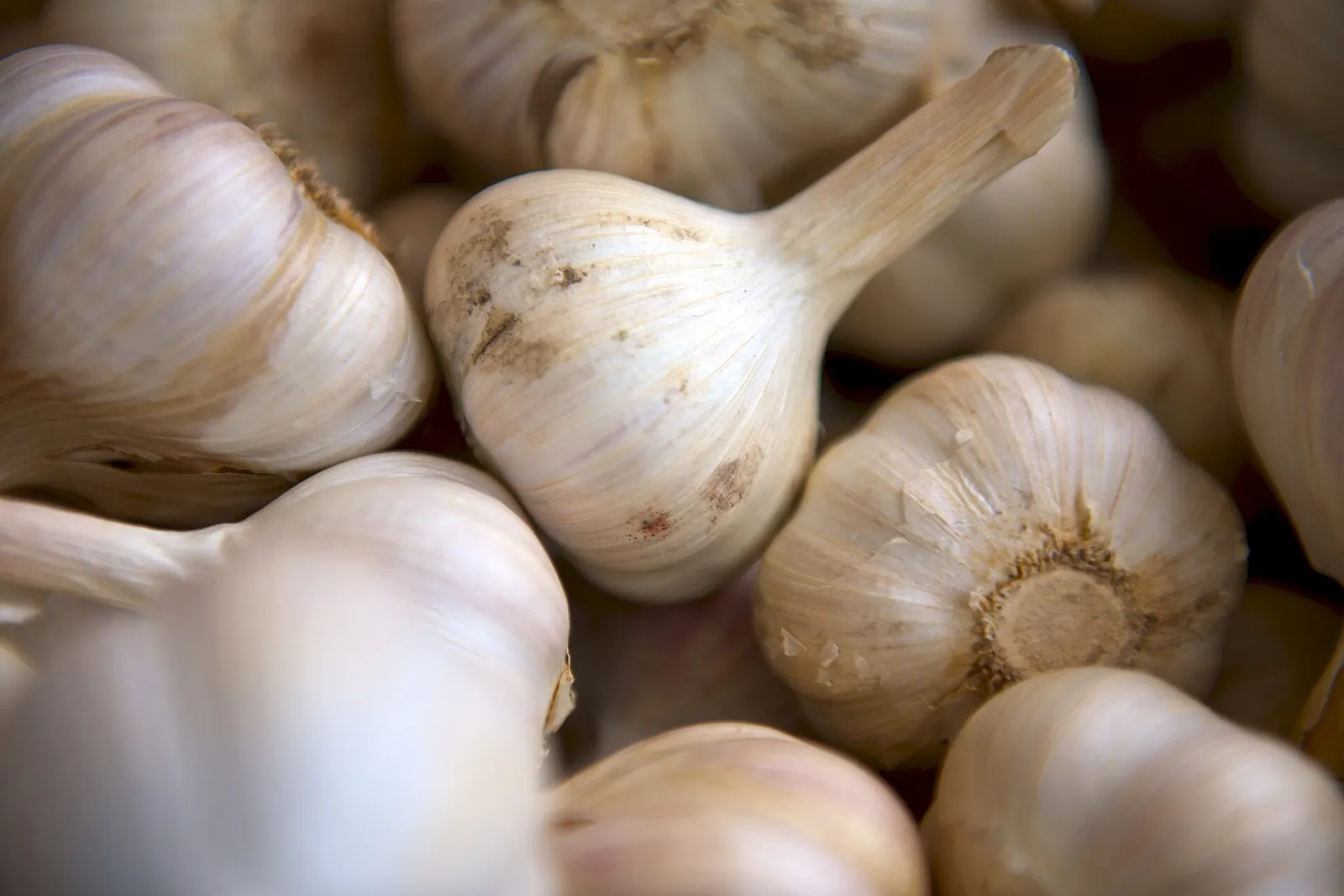
When to Harvest Garlic (Signs It's Ready)
Fall-planted garlic is ready in early-to-mid summer, when the lower 3-4 leaves have browned but 5-6 upper leaves stay green. Here are the signs, the lift, and how to cure it.
Jun 4, 2026 · 6 min read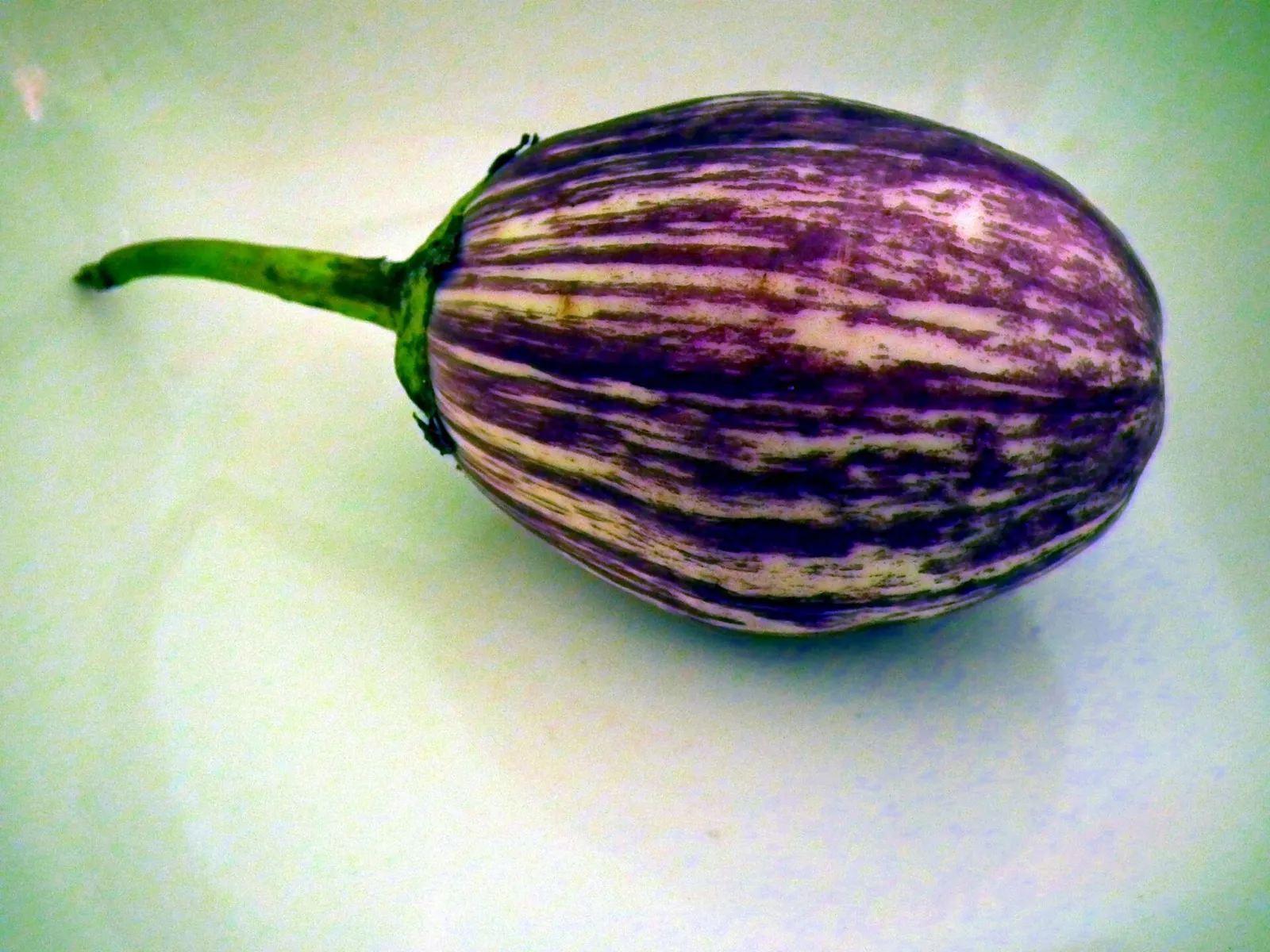
When to Harvest Eggplant (Signs It's Ready)
Eggplant is ready about 65 to 80 days after transplanting, picked young while the skin is glossy and firm. Here are the signs, the thumb press test, and how to cut it clean without snapping the woody stem.
Jun 4, 2026 · 6 min read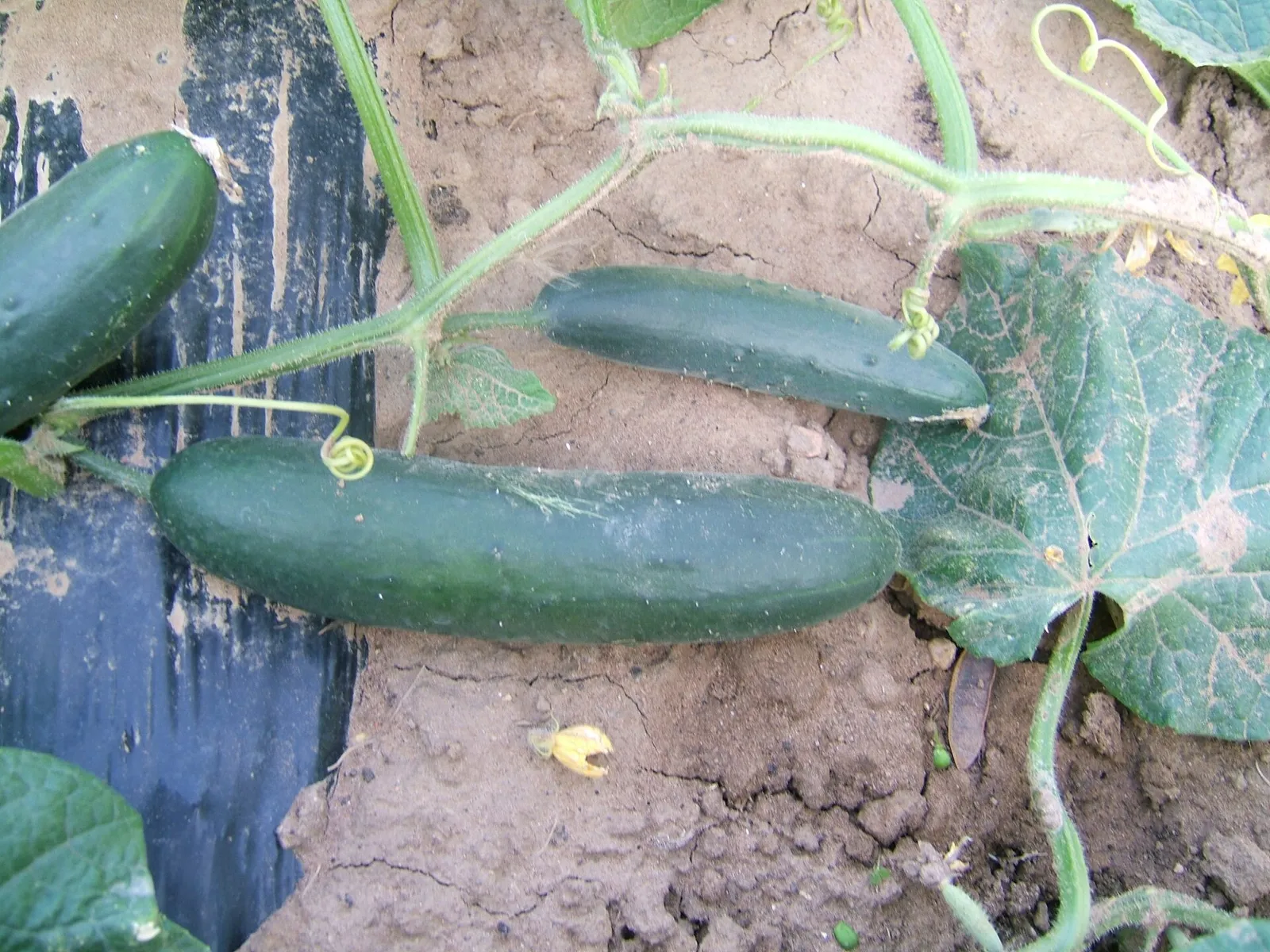
When to Harvest Cucumbers (Size + Signs)
Cucumbers are ready about 50 to 70 days after planting, when they are firm and evenly green at the right size for the type. Slicers want 6 to 8 inches, picklers 2 to 4. Pick every day or two before they yellow and turn bitter.
Jun 4, 2026 · 6 min read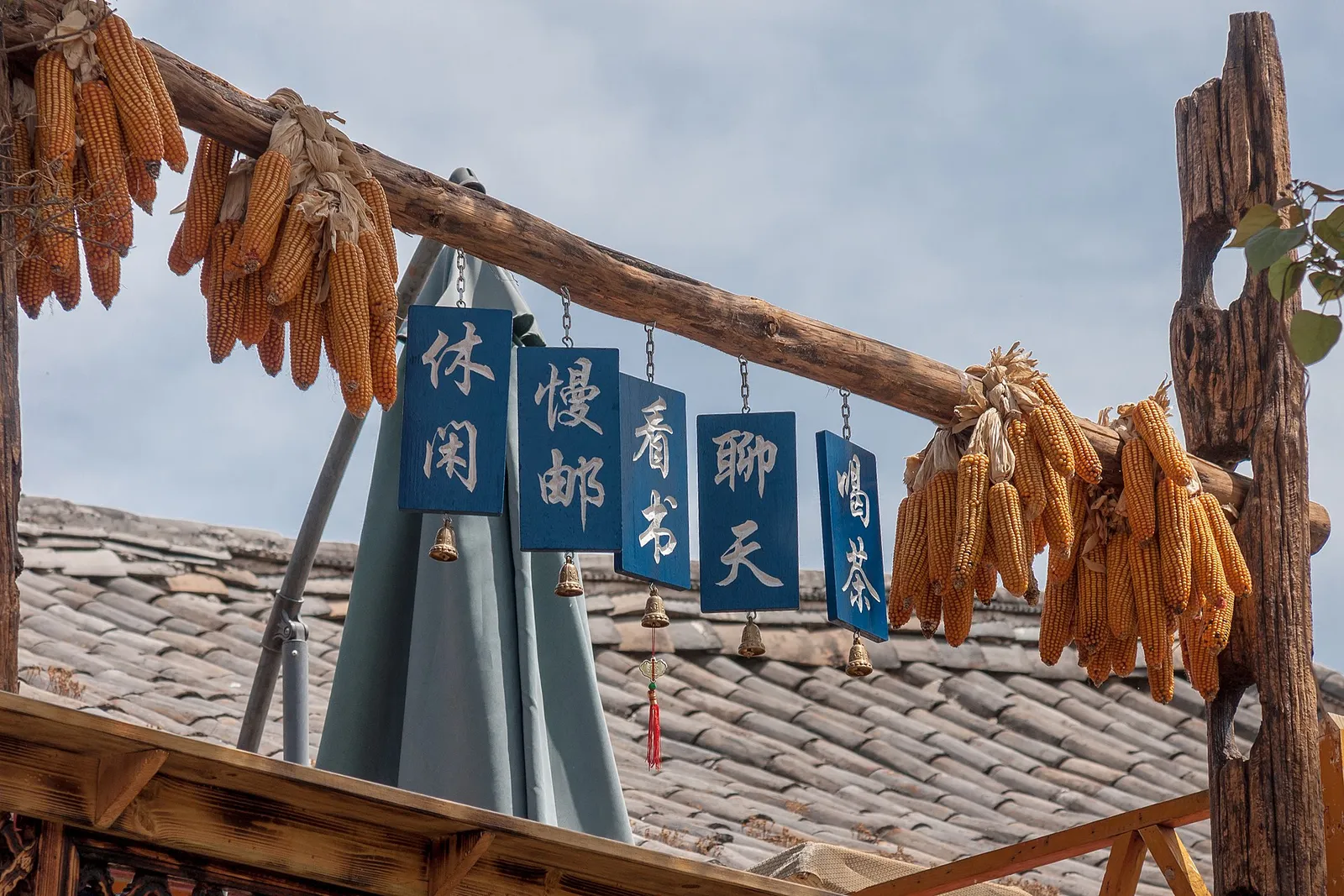
When to Harvest Corn (Signs Sweet Corn Is Ready)
Sweet corn is ready about 18 to 24 days after the silks first appear, usually 60 to 100 days from planting by variety. The signs: brown dry silks, a full firm ear with a blunt tip, and a kernel that squirts milky juice.
Jun 4, 2026 · 6 min read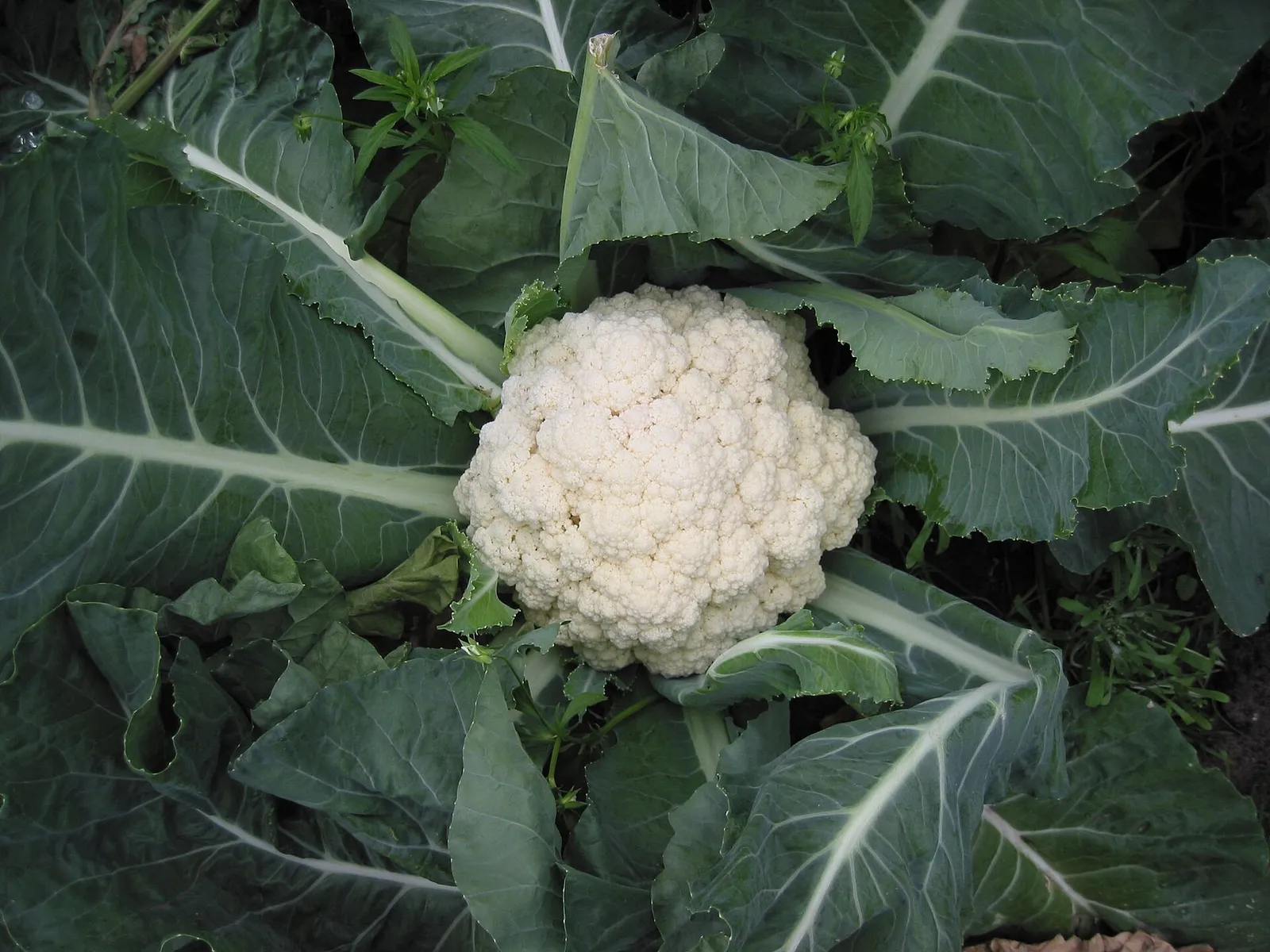
When to Harvest Cauliflower (Signs It's Ready)
Cauliflower is ready about 55 to 100 days after planting, when the head is full, firm, compact, and about 6 to 8 inches across, before the curds loosen and separate. White types usually need blanching. Here are the cues.
Jun 4, 2026 · 6 min read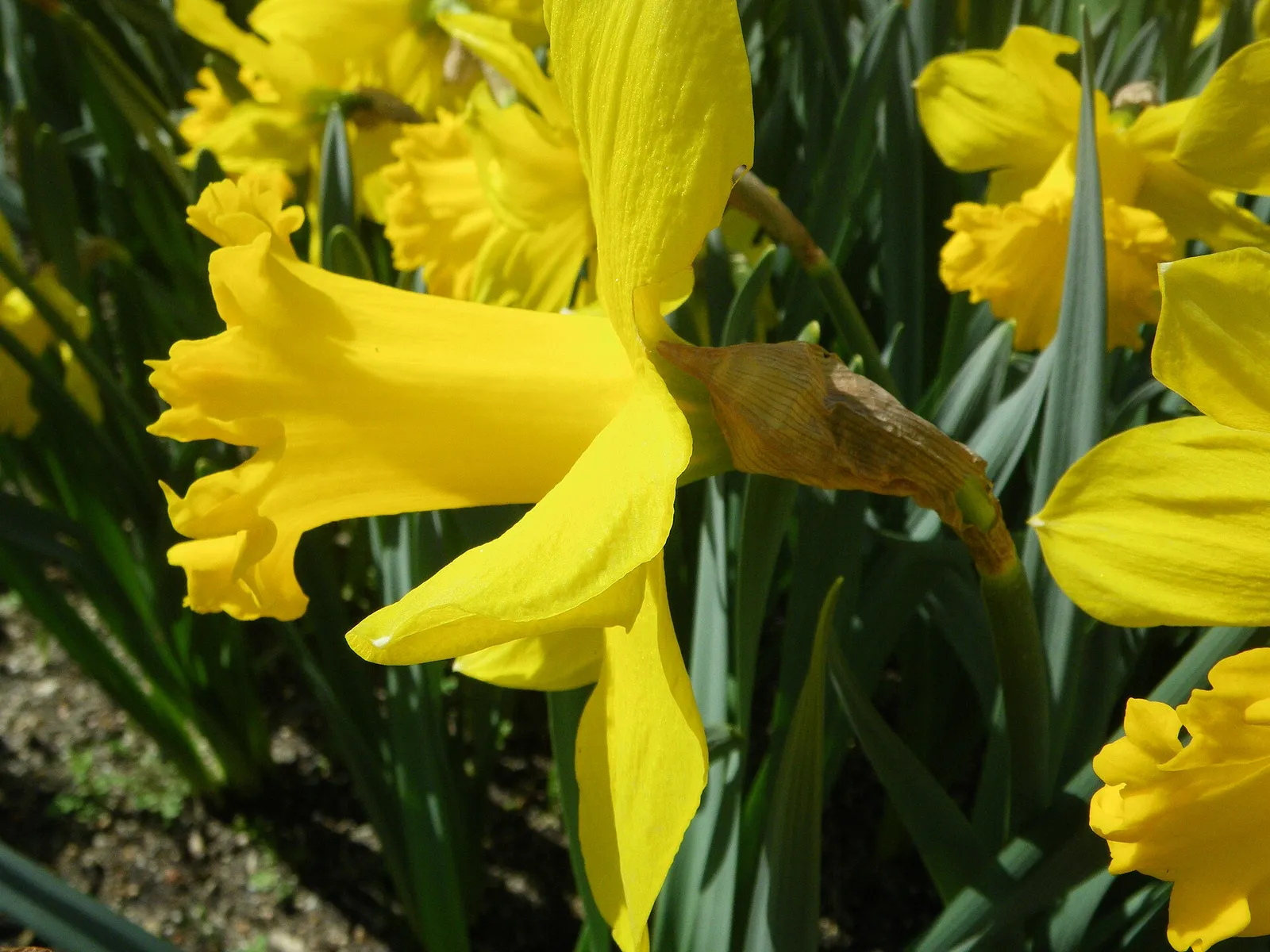
When to Harvest Carrots (Signs They're Ready)
Carrots are ready about 50 to 80 days after sowing, when the shoulder is roughly 1/2 to 3/4 inch across at the soil line. Here are the cues, the lift-don't-yank method, and how to store them.
Jun 4, 2026 · 6 min read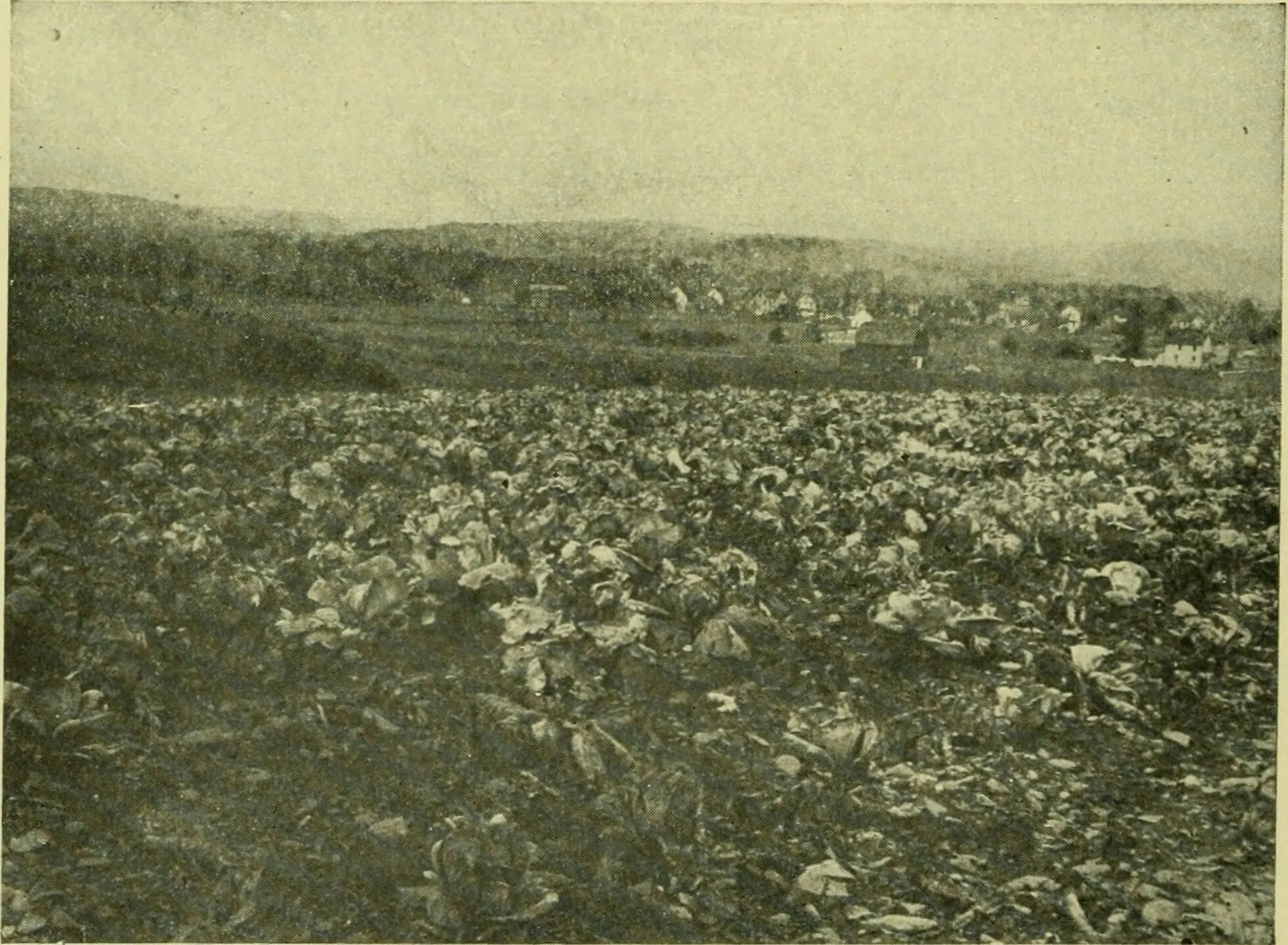
When to Harvest Cabbage (Signs It's Ready)
Cabbage is ready about 70 to 100 days after transplanting, when the head feels firm and solid as you squeeze it and has reached full size for the variety. Cut it before it splits.
Jun 4, 2026 · 6 min read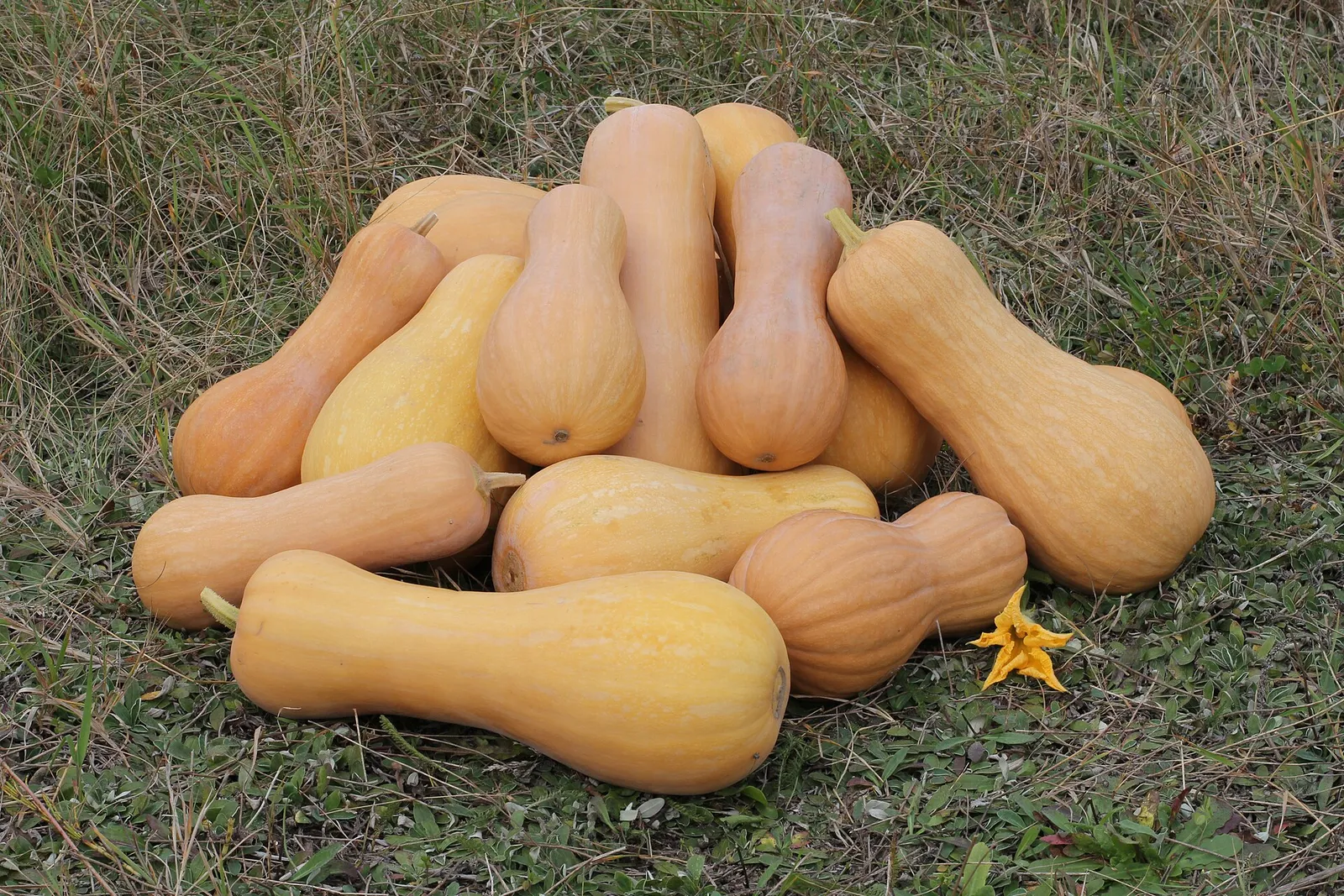
When to Harvest Butternut Squash (Signs It's Ready)
Butternut squash is ready about 100 to 110 days from planting, when the rind turns deep tan, hardens past a thumbnail, and the stem goes corky and dry.
Jun 4, 2026 · 6 min read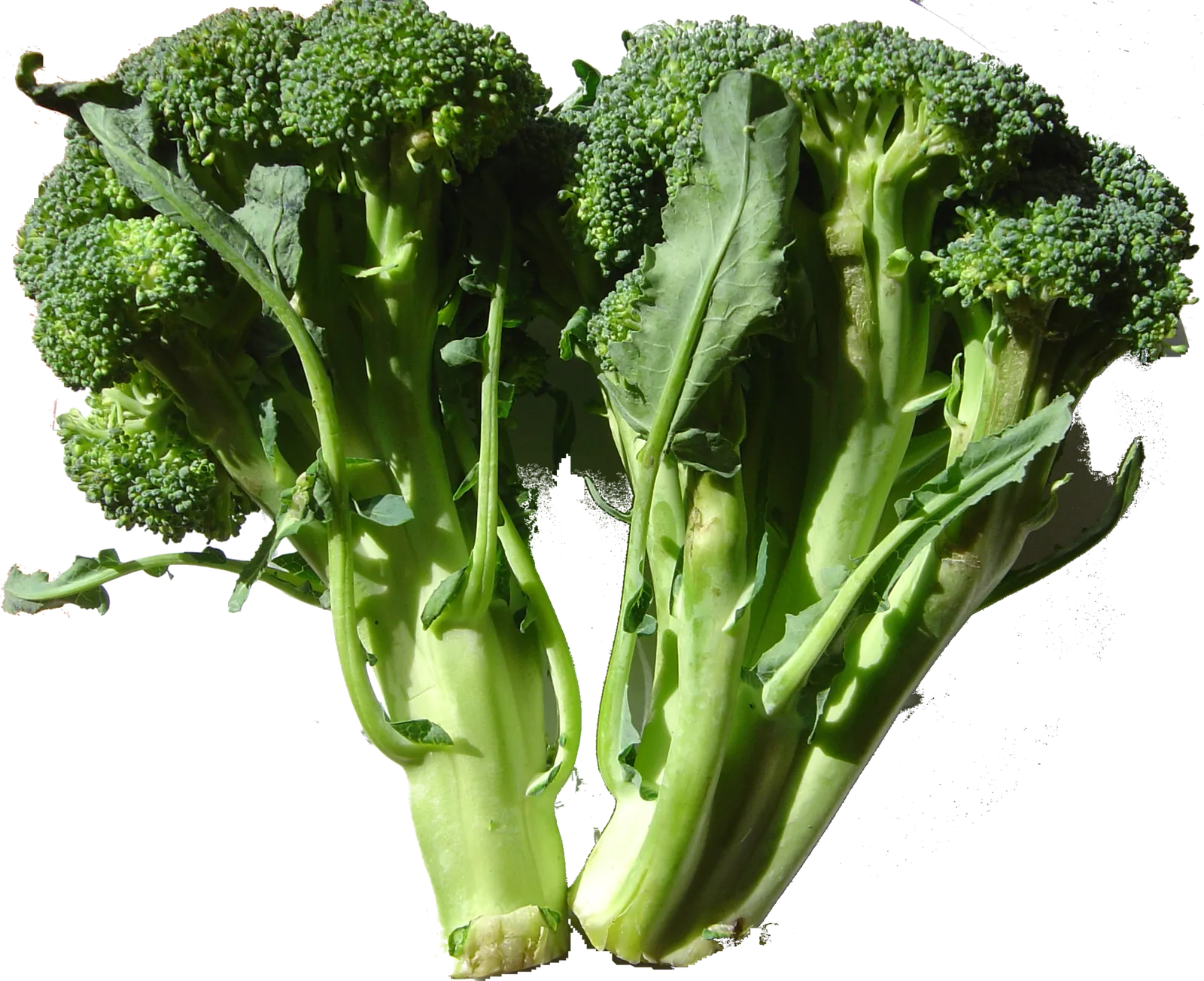
When to Harvest Broccoli (Signs It's Ready)
Broccoli is ready about 60 to 90 days after planting, when the central head is 4 to 7 inches across with tight, dark-green buds, before any open to yellow. Here are the cues, the cut, and the weeks of side shoots that follow.
Jun 4, 2026 · 6 min read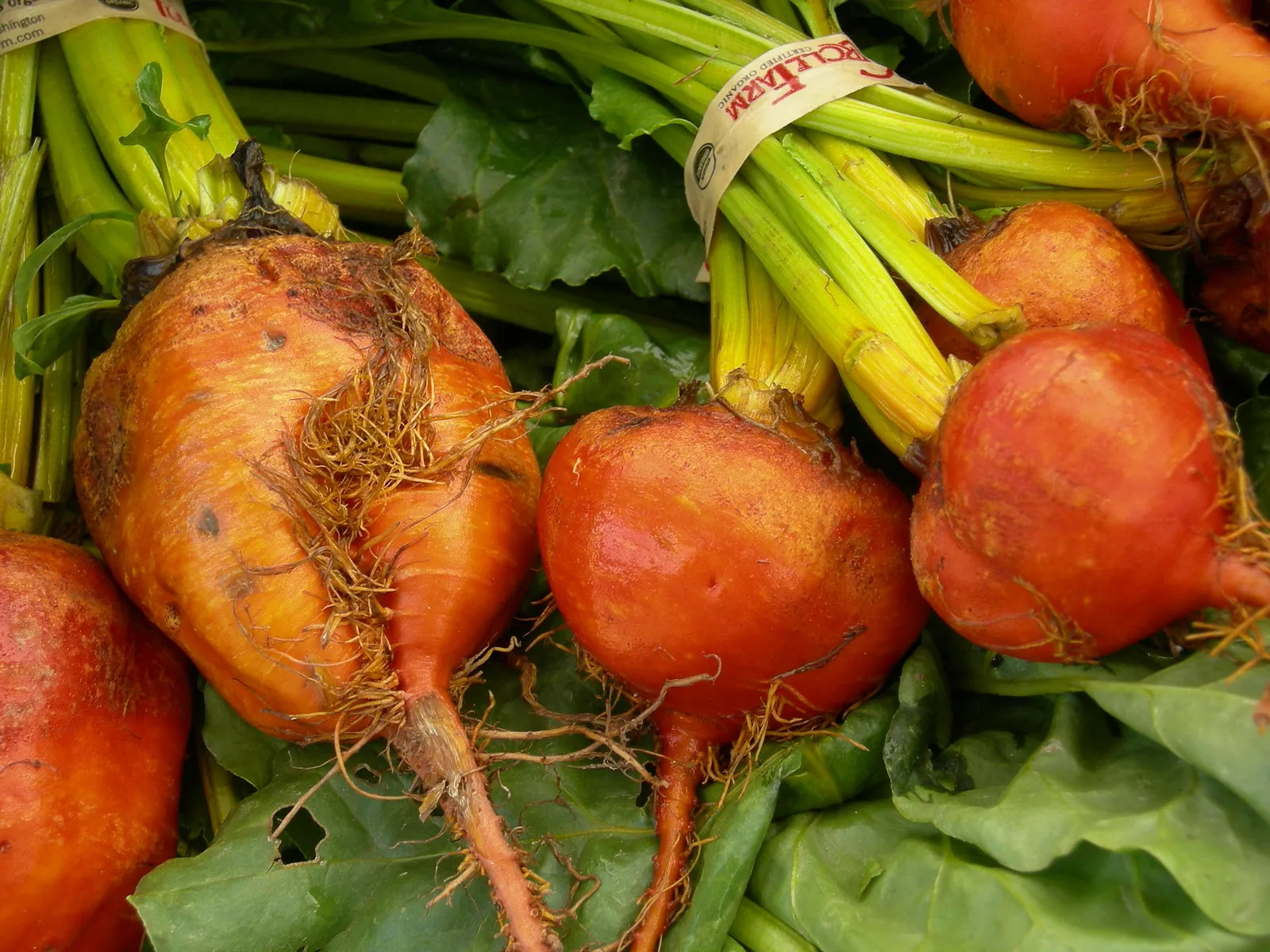
When to Harvest Beets (Size + Signs)
Beets are ready about 50 to 70 days after sowing, when the root shoulder is roughly 1.5 to 3 inches across at the soil line. Here are the size cues, the lift-and-twist method, and how to store the roots and the greens.
Jun 4, 2026 · 6 min read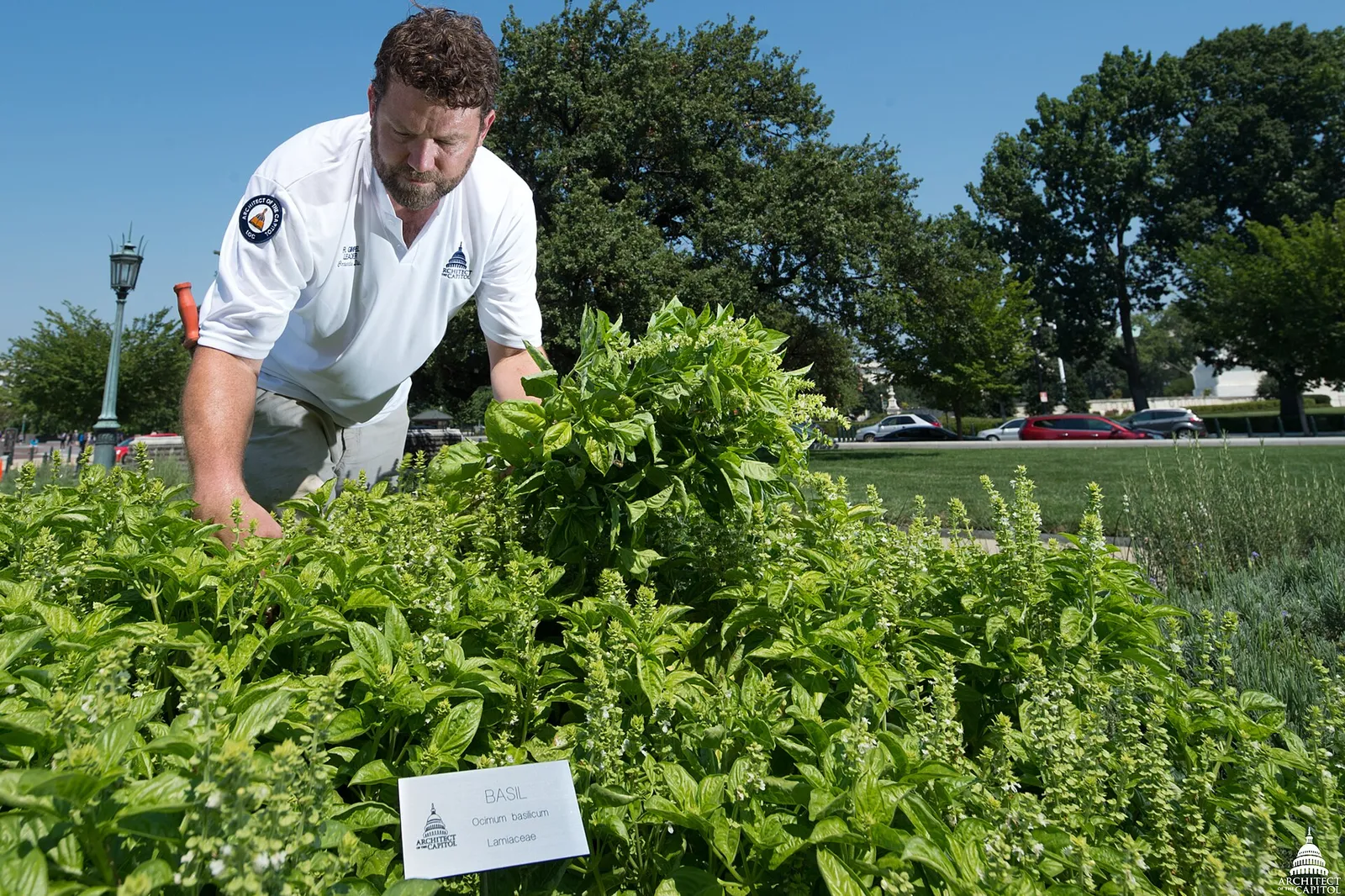
When to Harvest Basil (and Keep It Coming All Summer)
Basil is ready for its first harvest about 60 to 70 days after sowing, once a plant is 6 to 8 inches tall. Cut above a leaf pair to keep it branching, pinch off flowers, and harvest the same plant again and again.
Jun 4, 2026 · 6 min read
Tomato Companion Plants (and What to Keep Apart)
Good tomato companions include basil, marigold, nasturtium, garlic, onion, lettuce, and carrots. Keep tomatoes away from brassicas, fennel, potatoes, and black walnut. The proven wins are pollinator support and spacing, not magic flavor changes.
Jun 4, 2026 · 7 min read
Spinach Companion Plants (and What to Keep Apart)
Good spinach companions are tall shade-givers like beans and corn, quick neighbors like radishes and lettuce, and flowers for pollinators. Keep spinach from chard and beets, which share leaf miners. Most pairing rules are folklore, so plant for shade, spacing, and pest sense.
Jun 4, 2026 · 6 min read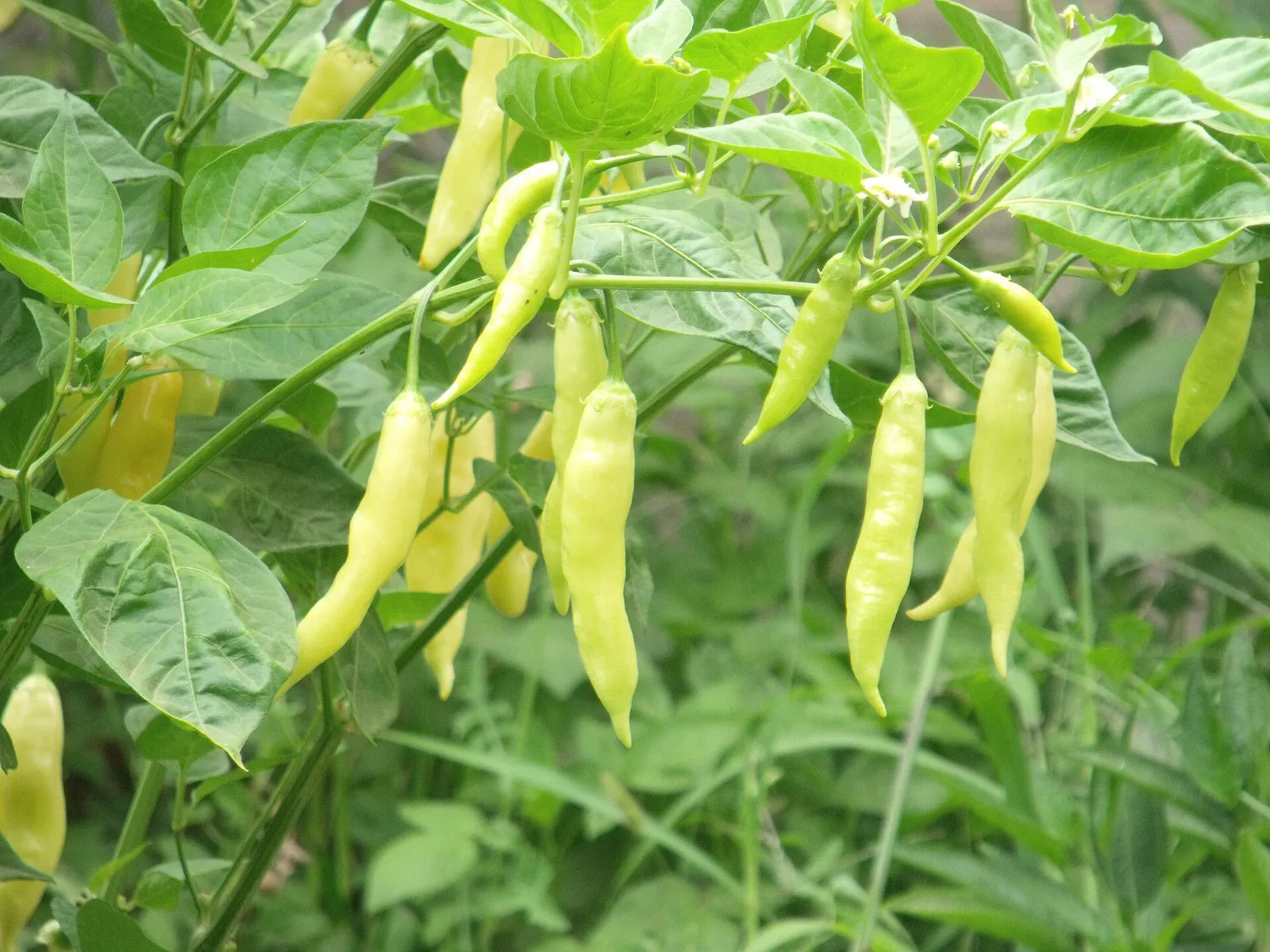
Pepper Companion Plants (and What to Keep Apart)
Good neighbors for peppers include basil, onions and garlic, carrots, lettuce and spinach, nasturtium, and tomatoes. Keep fennel and heavy-feeding brassicas apart. The reliable wins are spacing, pollinator support, and not crowding, not flavor magic.
Jun 4, 2026 · 6 min read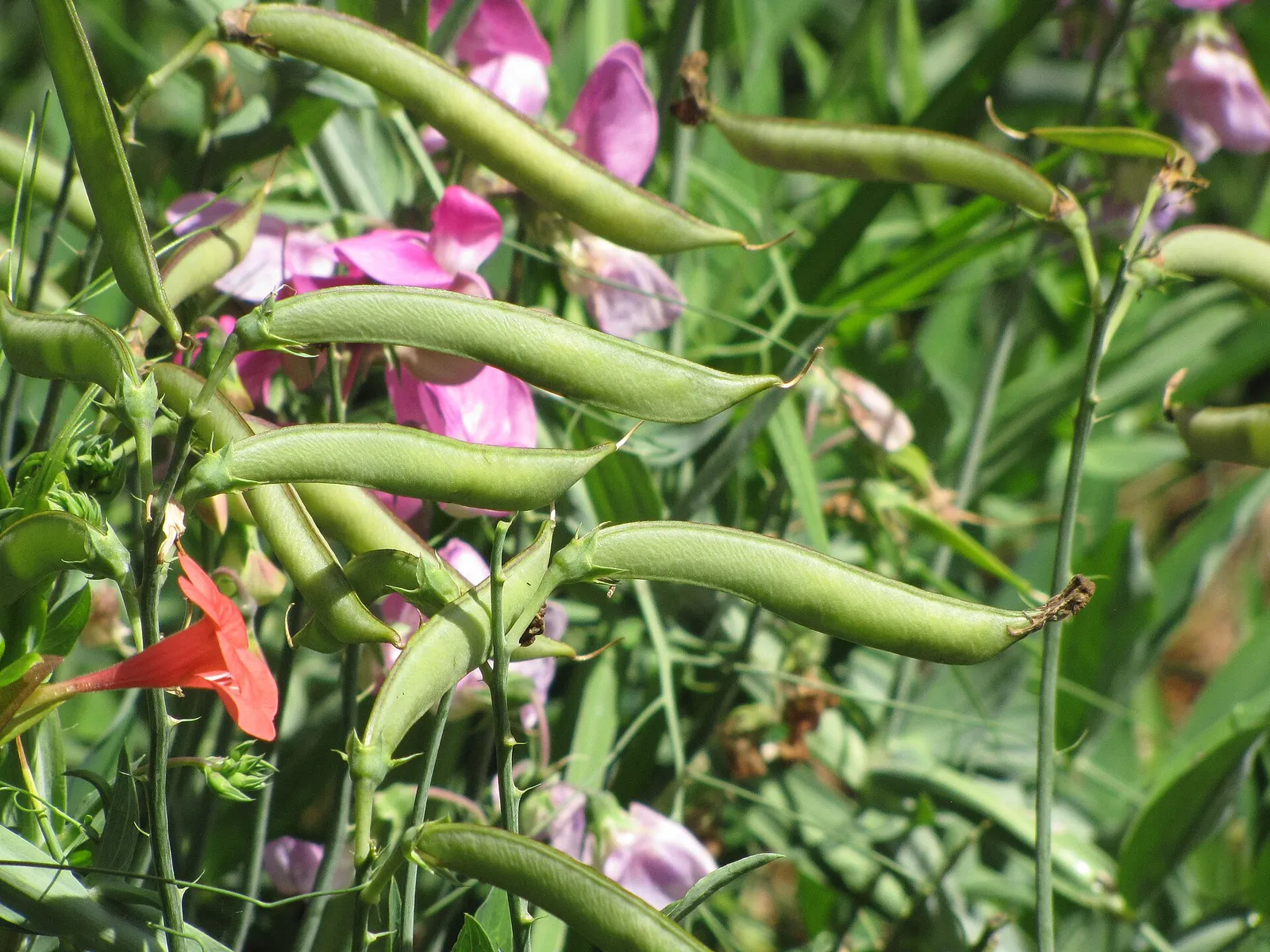
Pea Companion Plants (and What to Keep Apart)
Good pea companions are carrots, lettuce, spinach, radishes, and a tall crop like corn for support. The old rule keeps peas away from onions and garlic. The honest win is cool-season timing and ground cover, not a same-season nitrogen gift to the neighbors.
Jun 4, 2026 · 6 min read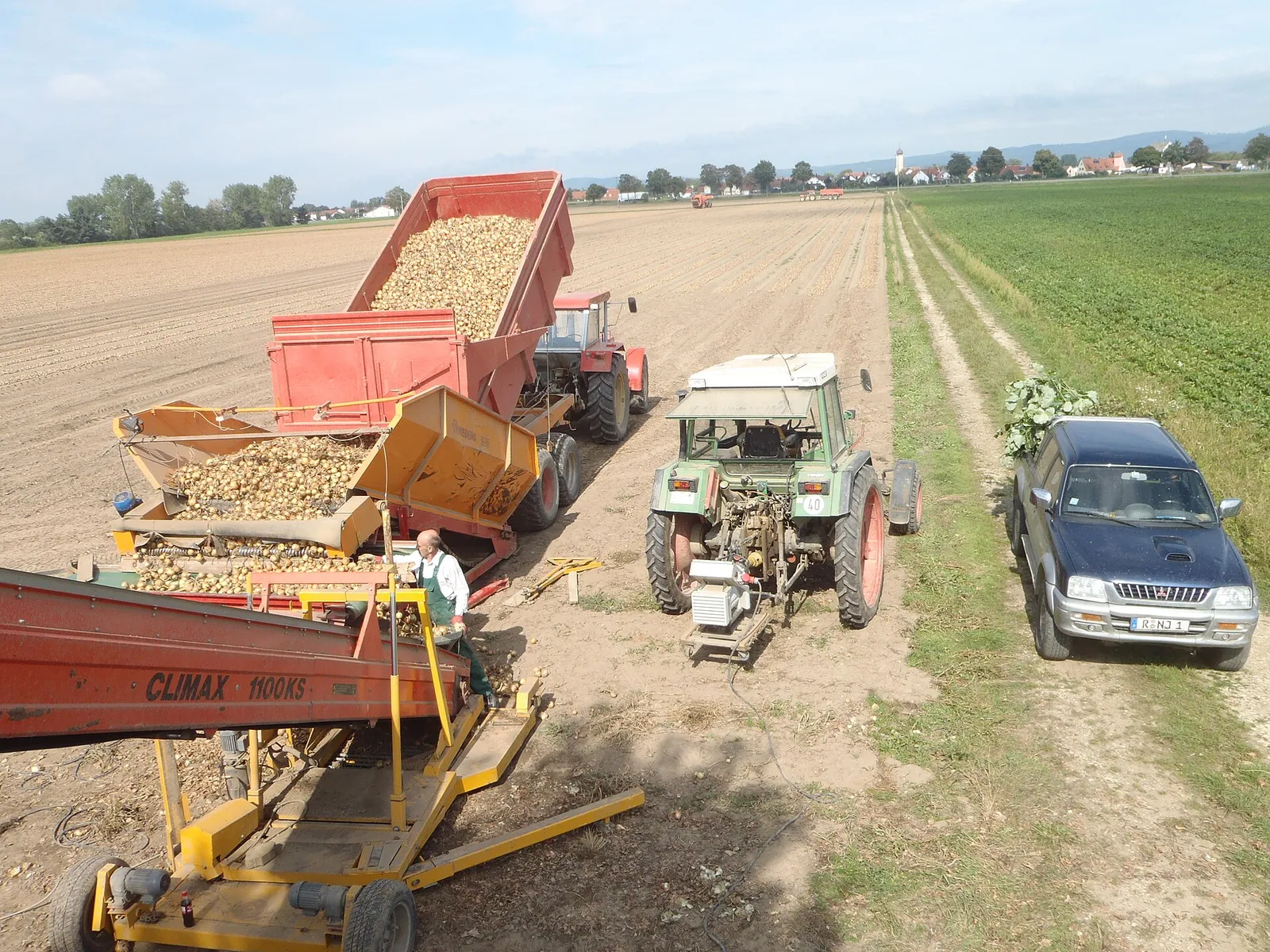
Onion Companion Plants (and What to Keep Apart)
Good onion companions are carrots, beets, lettuce, and cabbage-family crops, mostly because onions are narrow and slow and fit between bigger plants. Keep onions away from beans and peas. The pest-repelling claims are mostly folklore.
Jun 4, 2026 · 6 min read
Lettuce Companion Plants (and What to Keep Apart)
Good lettuce companions are carrots, radishes, onions, chives, and tall crops like tomatoes or trellised cucumbers that throw afternoon shade. The real, evidence-backed win is shade that slows bolting in summer heat. Keep lettuce clear of fennel and avoid crowding.
Jun 4, 2026 · 6 min read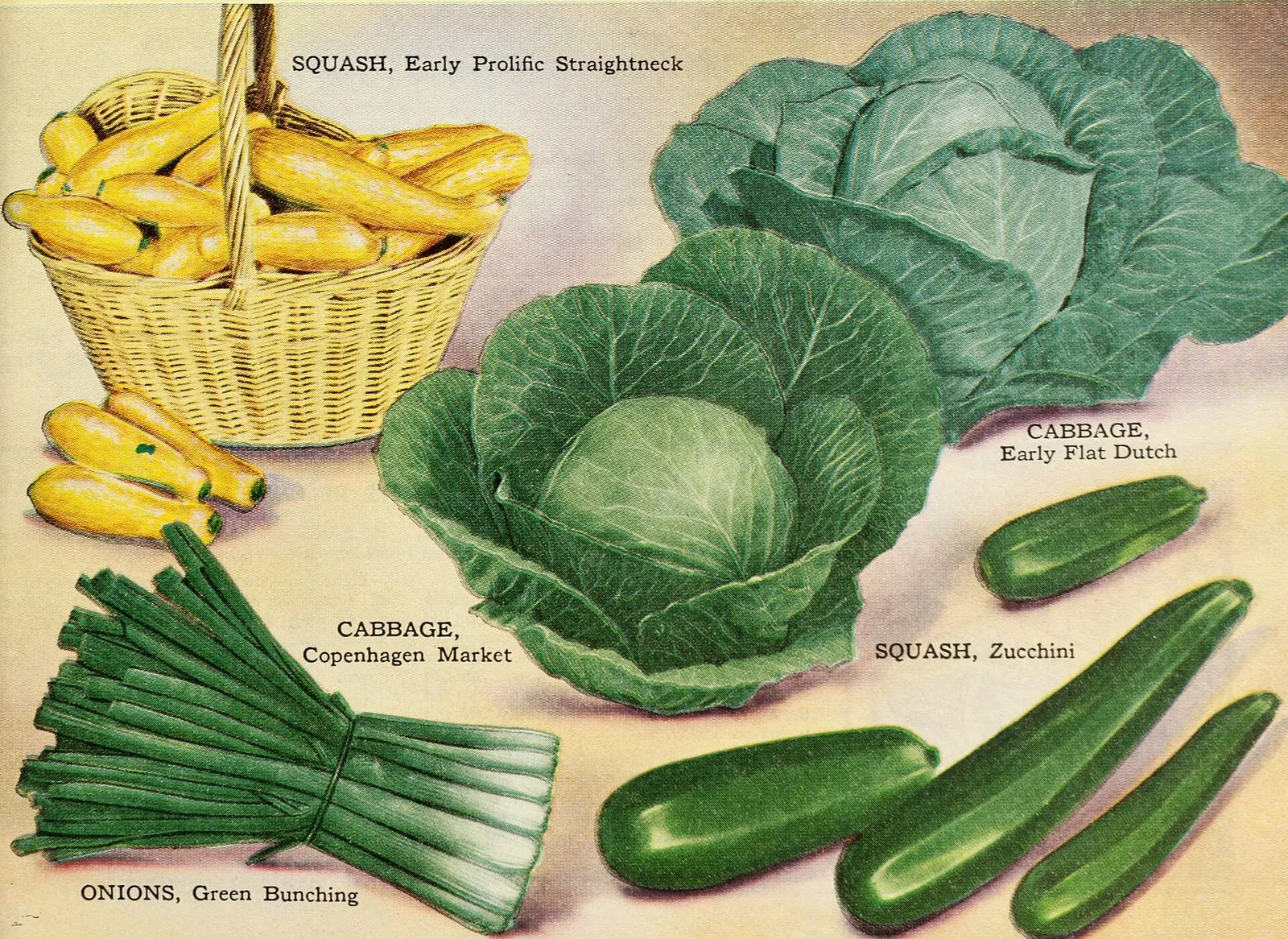
Eggplant Companion Plants (and What to Keep Apart)
Good eggplant companions are beans and peas for nitrogen, marigolds for nematodes, nasturtium and flowers for pest helpers, and low crops like lettuce for ground cover. Keep eggplant away from fennel and last year's nightshade bed. The honest wins are spacing and pest support, not flavor magic.
Jun 4, 2026 · 6 min read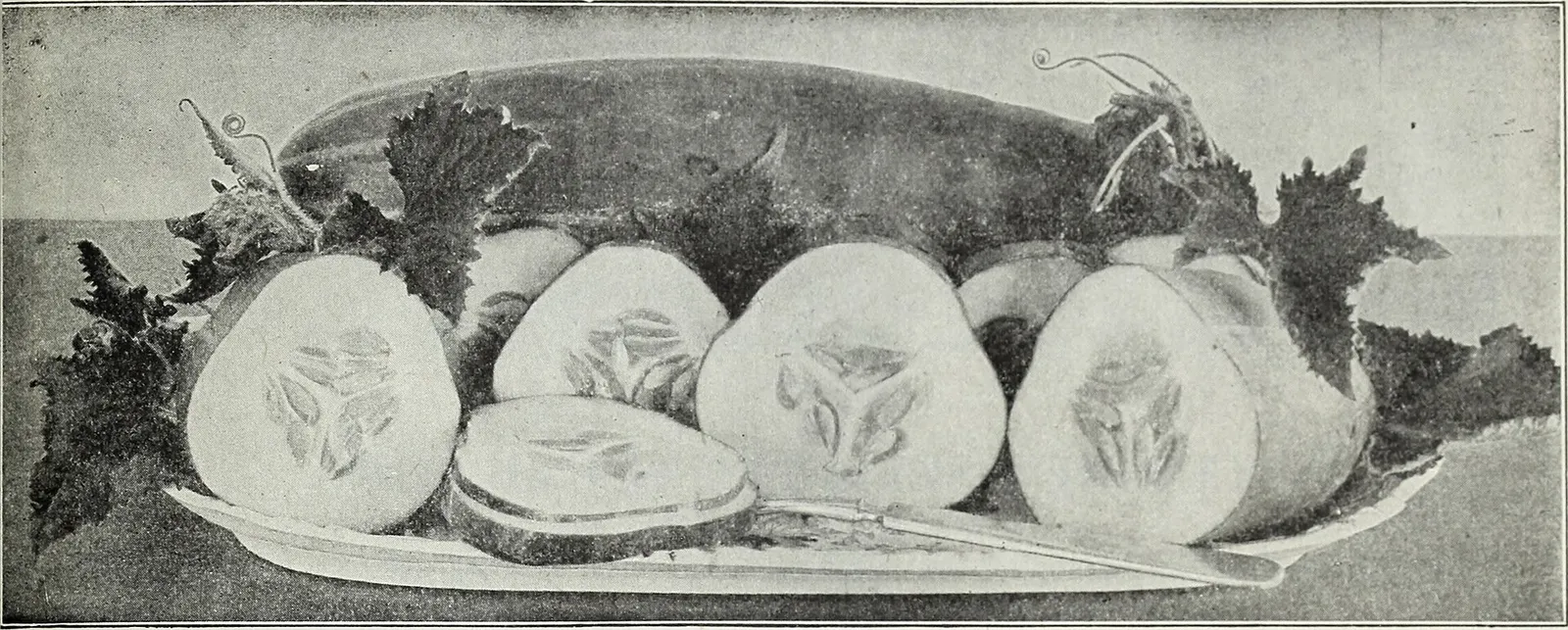
Cucumber Companion Plants (and What to Keep Apart)
Good cucumber companions are beans and peas for nitrogen and vertical layering, corn or sunflowers for support, and flowers like nasturtium and dill to draw pollinators. The honest win is anything that brings bees, since most cucumbers need them to set fruit.
Jun 4, 2026 · 6 min read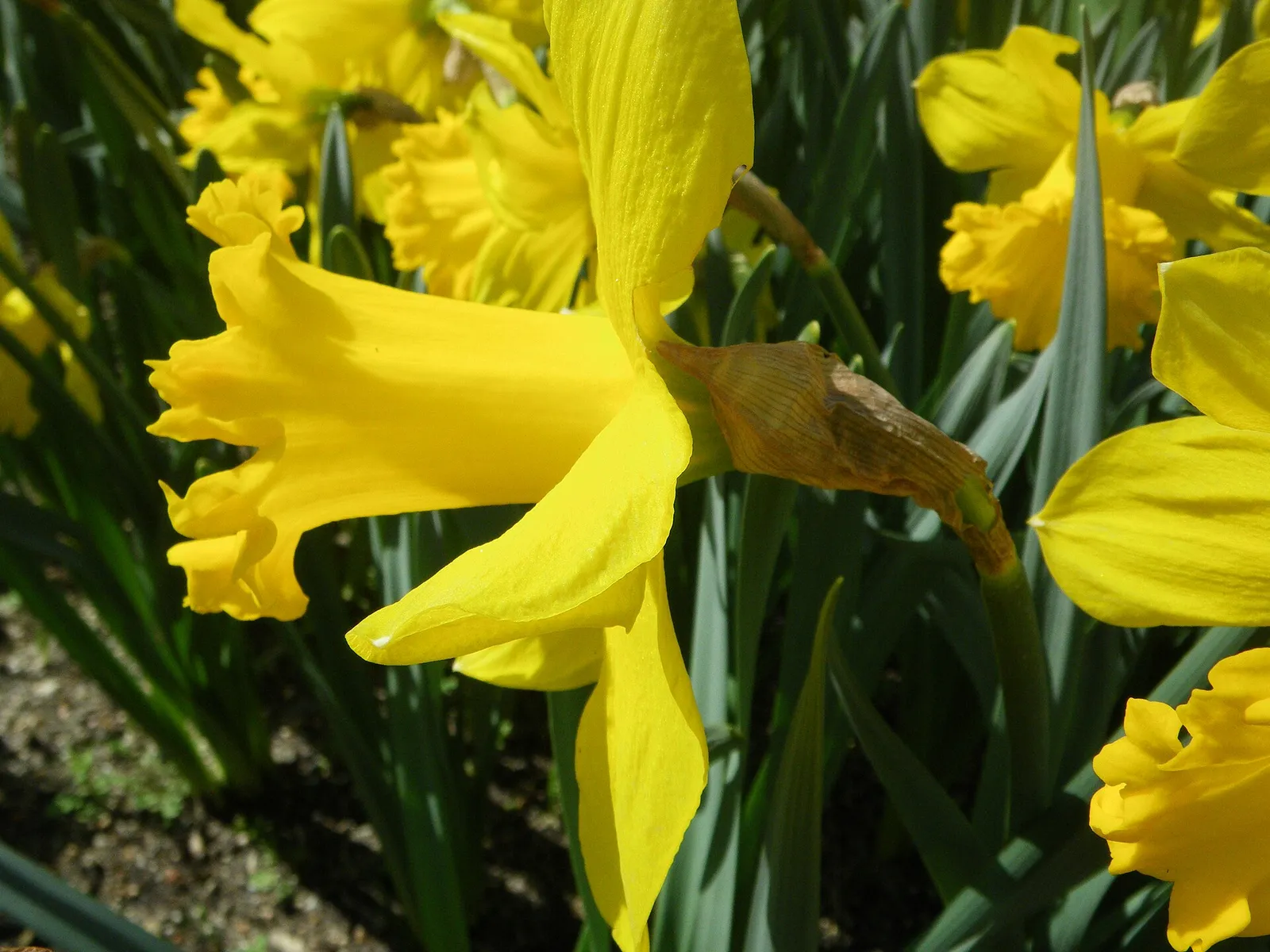
Carrot Companion Plants (and What to Keep Apart)
Good carrot companions include onions, leeks, lettuce, radishes, and flowering herbs like dill. Keep carrots away from other carrot-family crops like parsnips, celery, and fennel. The honest wins are smart use of space and flowers for beneficial insects, not magic flavor changes.
Jun 4, 2026 · 6 min read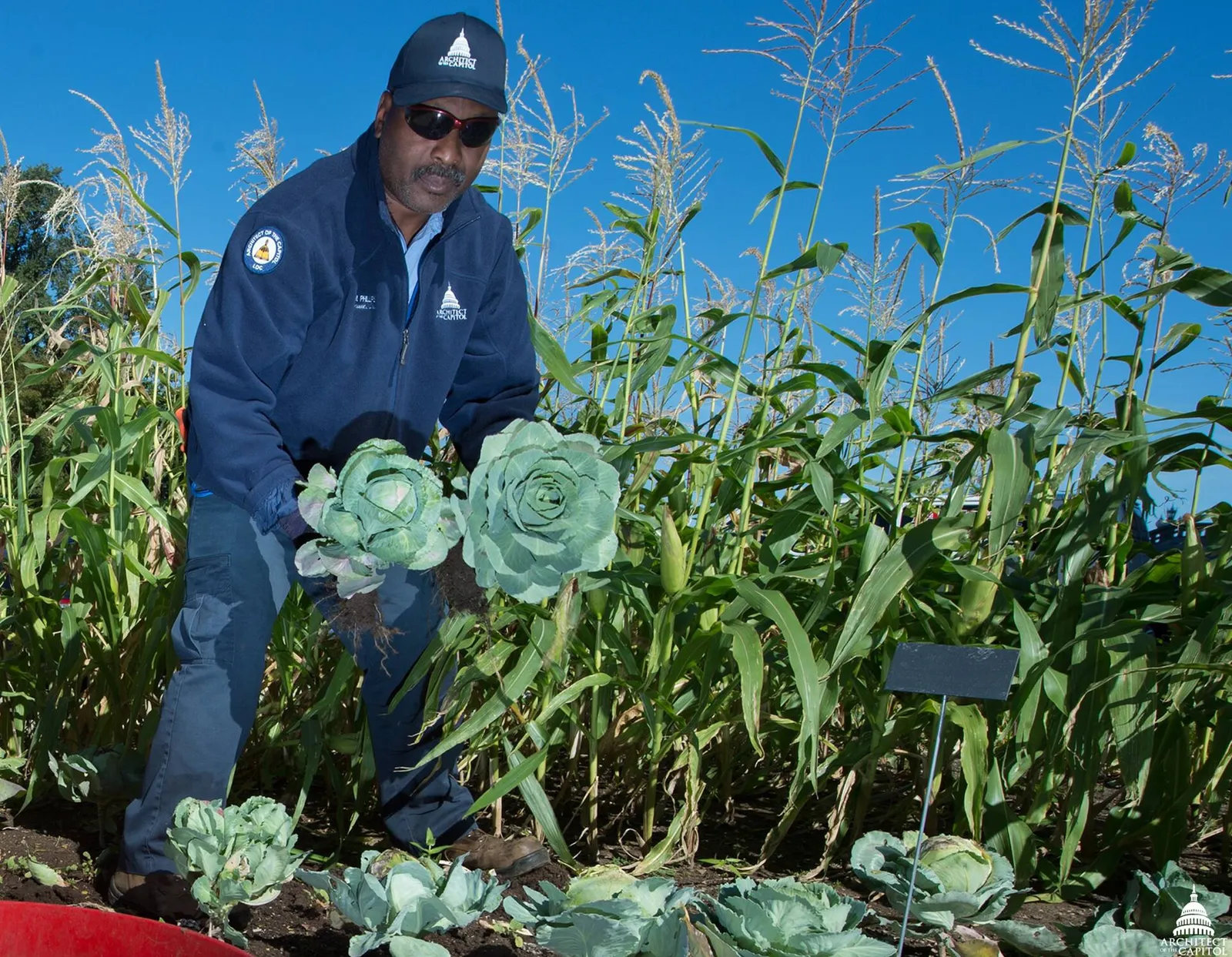
Cabbage Companion Plants (and What to Keep Apart)
Good cabbage companions are low crops like lettuce and beets for ground space, flowering herbs that pull in pest-eating wasps, and trap crops. Keep cabbage away from tomatoes, pole beans, strawberries, and other brassicas.
Jun 4, 2026 · 7 min read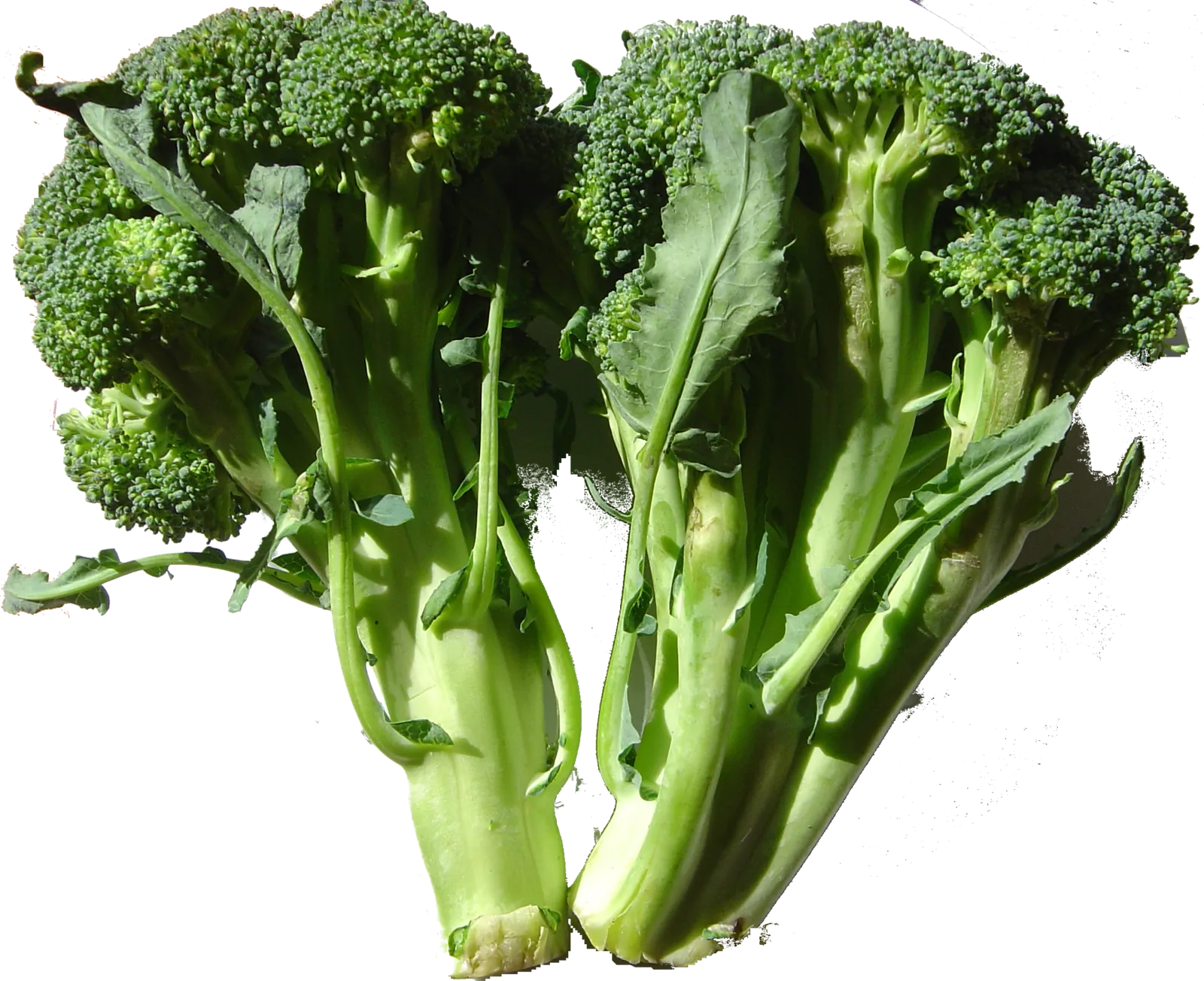
Broccoli Companion Plants (and What to Keep Apart)
Good broccoli companions are aromatic herbs and flowers that pull in beneficial insects, alliums, and low crops like lettuce and beets that use the space. Keep broccoli away from tomatoes, strawberries, pole beans, and a tight cluster of other brassicas.
Jun 4, 2026 · 6 min read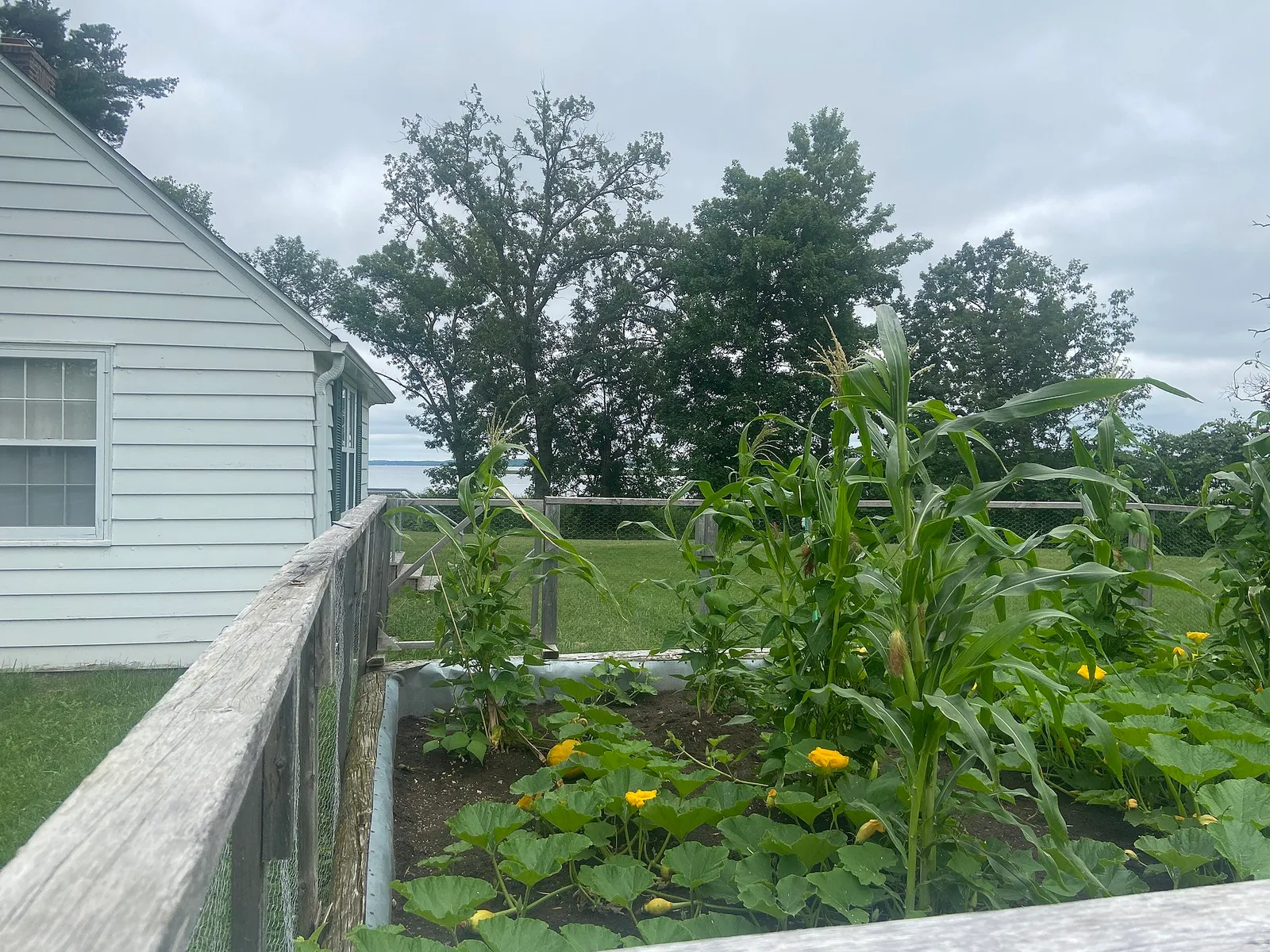
Bean Companion Plants (and What to Keep Apart)
Good bean companions are corn and squash (the Three Sisters), plus flowers like nasturtium and marigold that draw pollinators and beneficial insects. Keep beans clear of fennel. The famous "no onions near beans" rule is mostly folklore, not proven.
Jun 4, 2026 · 7 min read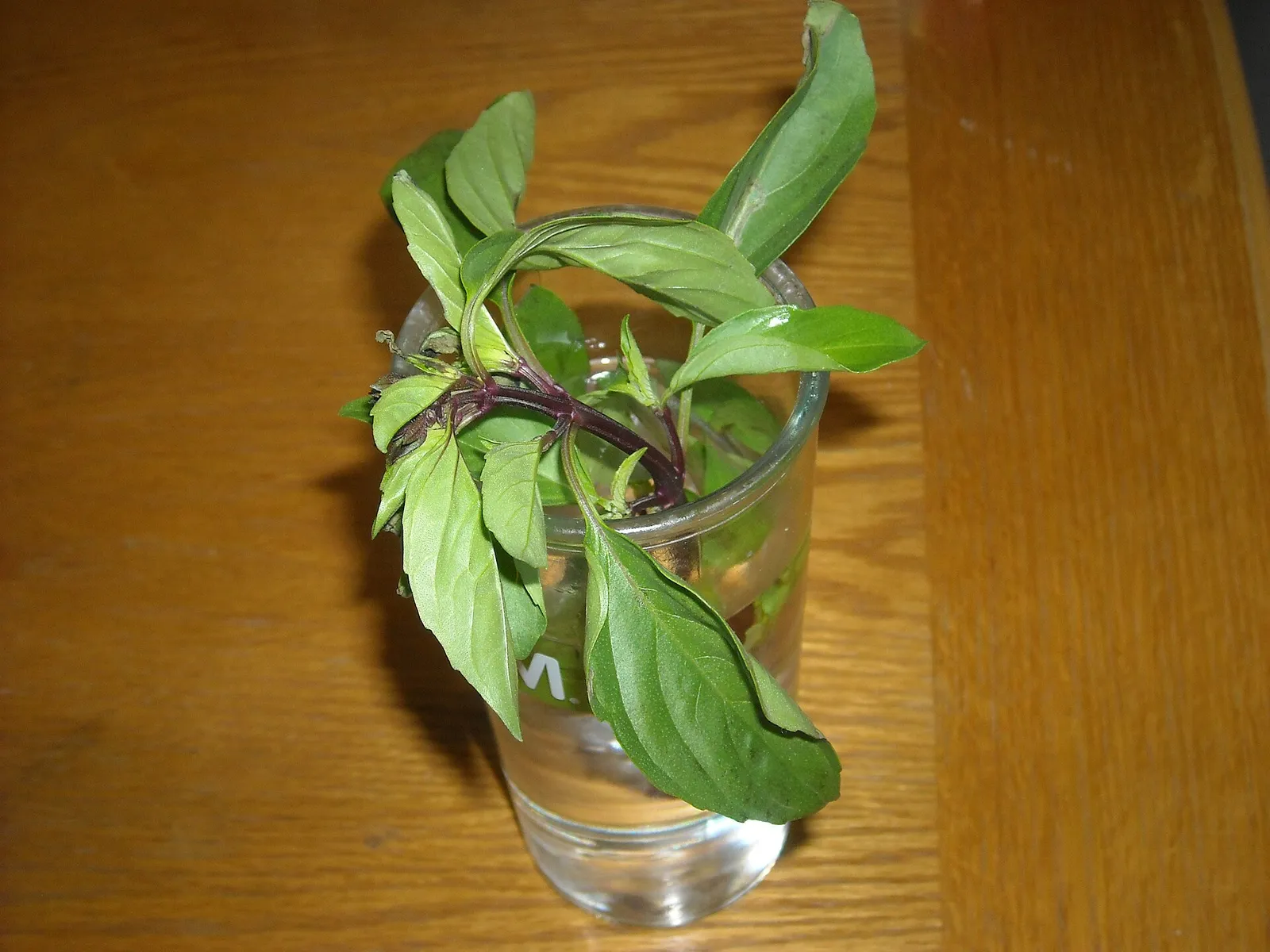
Basil Companion Plants (What Works and What's a Myth)
Basil grows well next to tomatoes, peppers, eggplant, and most summer vegetables, and its flowers draw pollinators when it blooms. The popular "improves tomato flavor / repels pests" claims are mostly traditional, not proven. Here is what the evidence actually supports.
Jun 4, 2026 · 6 min read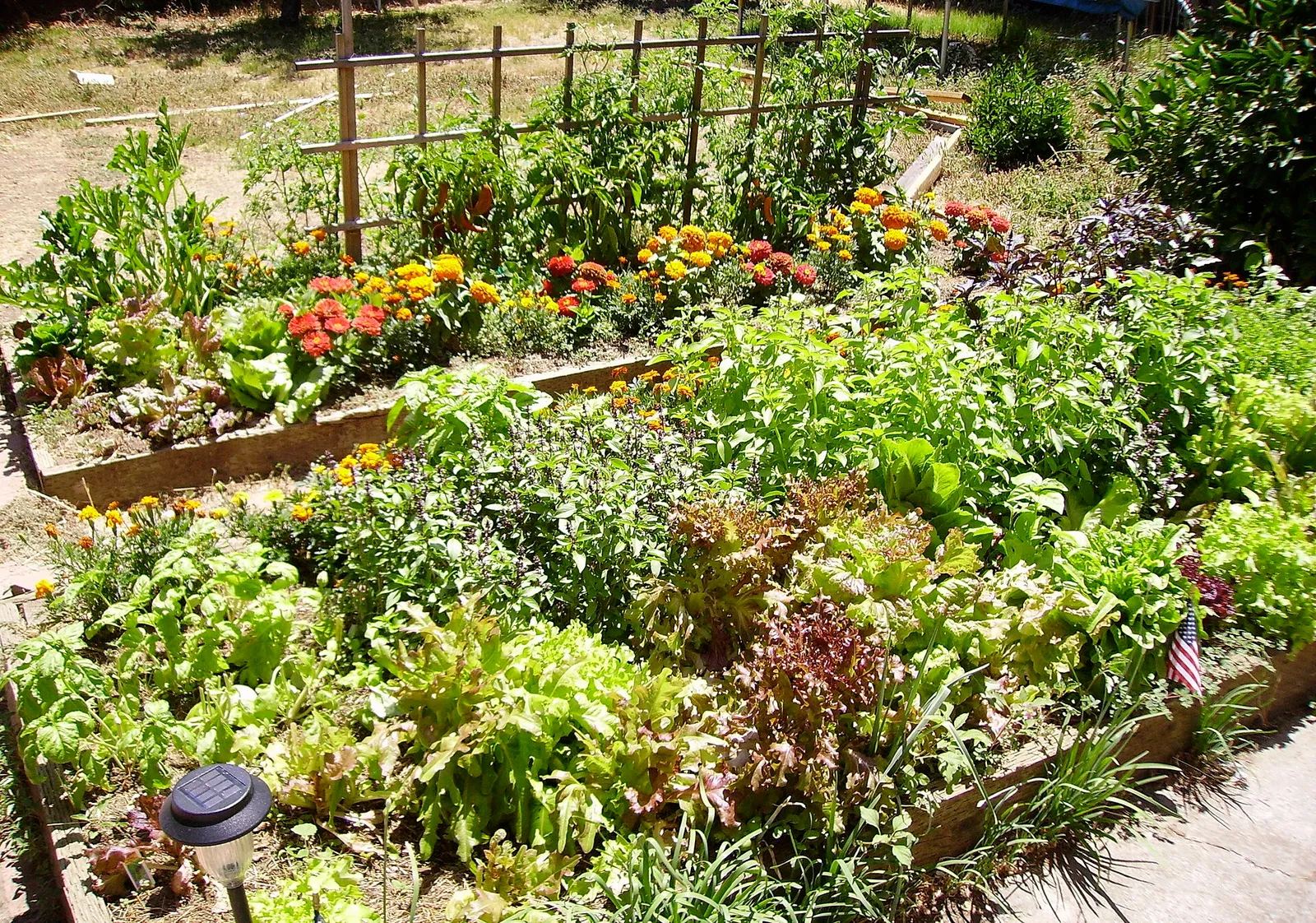
What Soil Mix for Raised Beds?
The best raised bed soil mix is 60 percent topsoil, 30 percent compost, and 10 percent aeration. Here is why each part matters, plus the per-bag amounts for a 4x8 bed.
Jun 4, 2026 · 6 min read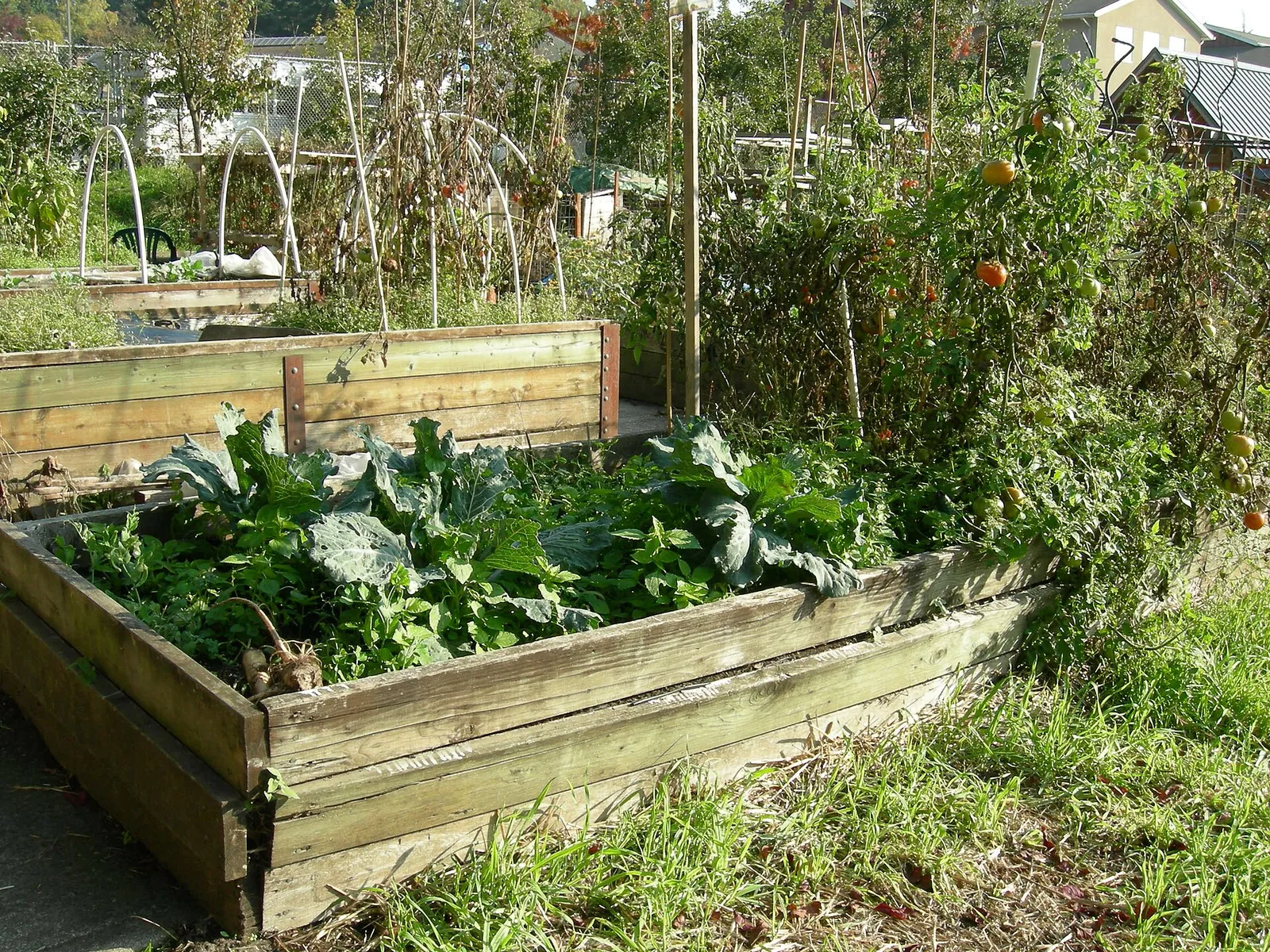
Raised Bed Soil: The Complete Guide (Mix, Depth, Cost)
Everything that goes in a raised bed, in one place: the fill formula, the 60/30/10 mix, how deep to build, a cheaper bottom layer, and bulk-vs-bagged cost.
Jun 4, 2026 · 9 min read
Plant Spacing Chart: In-Row Inches + Square-Foot Counts
One vegetable spacing chart with both in-row inches and square-foot-gardening counts per crop, plus a calculator that shows how many plants actually fit.
Jun 4, 2026 · 6 min read
Mulch 101: Types, Depth, and How Much You Need
A plain-English guide to mulch — what it does, the organic and inorganic types, how deep to lay it, and how to figure out how much you need with the square feet × depth ÷ 324 formula.
Jun 4, 2026 · 9 min read
How Much Topsoil Do I Need? (Tons, Yards + Calculator)
Topsoil is sold by the ton. Multiply your square feet by depth in inches, divide by 324 for cubic yards, then plan for about 1.2 tons per yard.
Jun 4, 2026 · 6 min read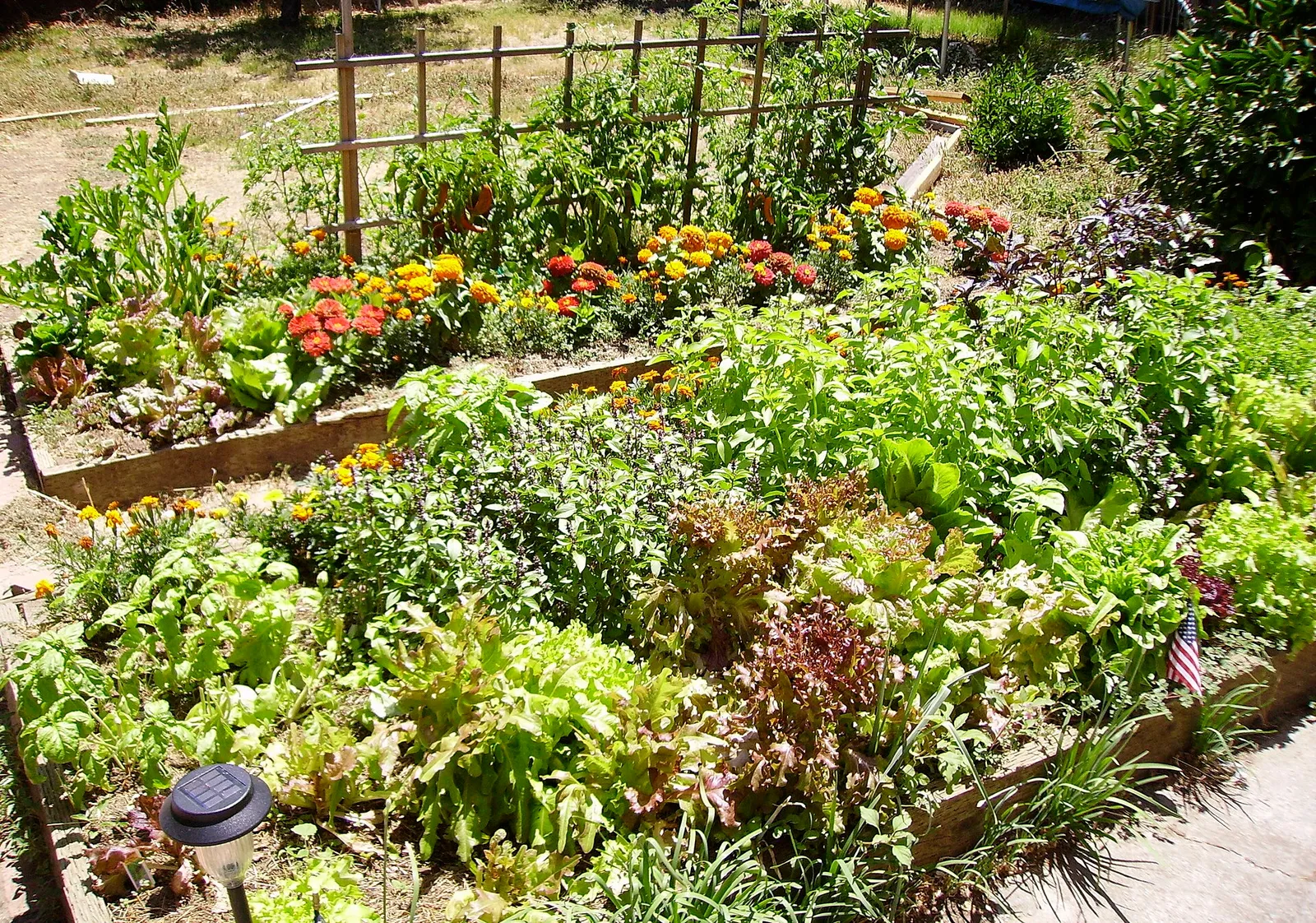
How Much Soil for a Raised Bed?
Length times width times height in feet, divided by 27, gives cubic yards. A 4x8 bed at 10 inches needs about 1 cubic yard. Formula, bag list, and a calculator.
Jun 4, 2026 · 6 min read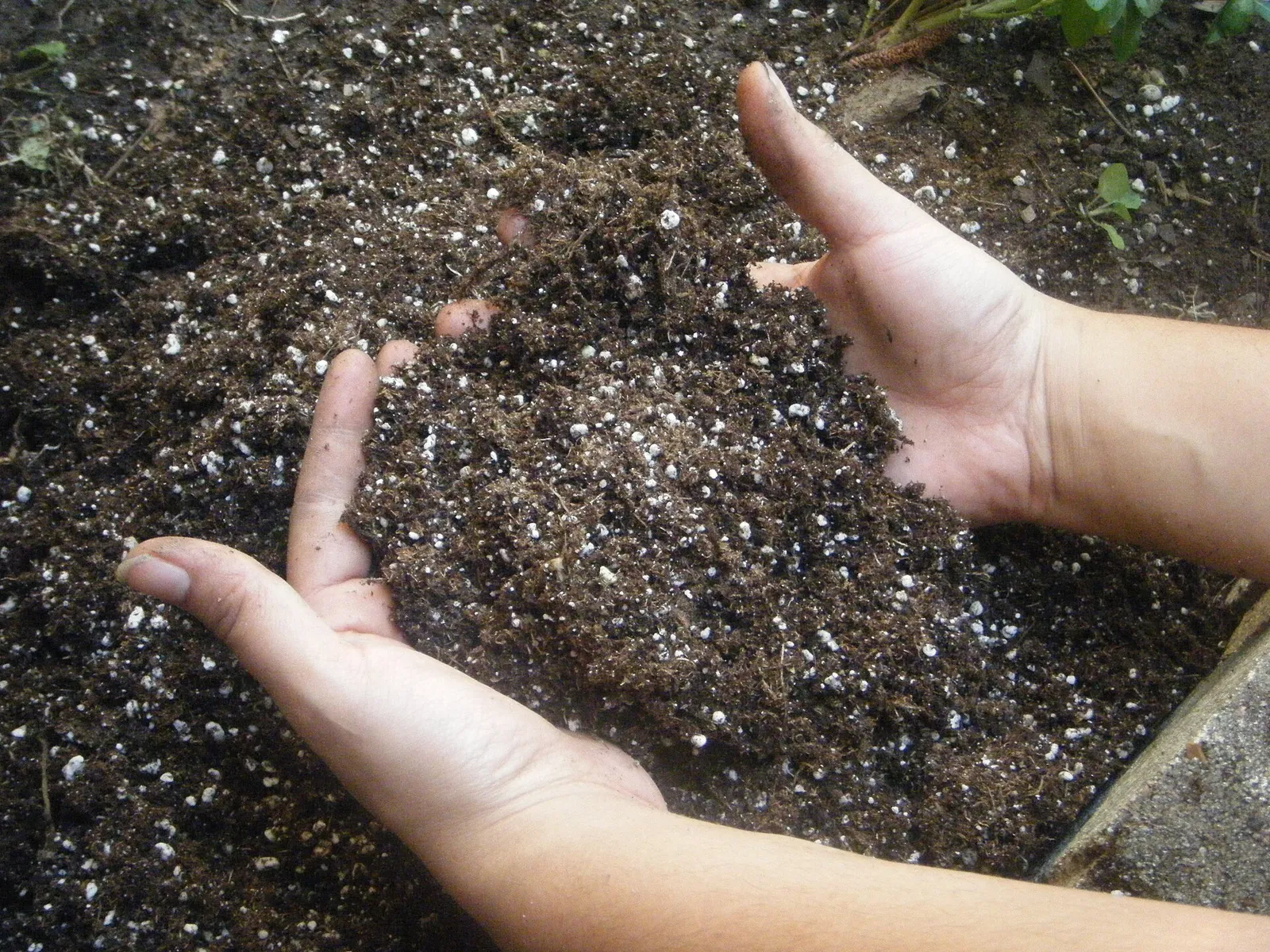
How Much Soil Do I Need? (And Which Soil to Buy)
Multiply length × width × depth in feet, divide by 27 for cubic yards. Plus a which-soil chooser so you buy the right material, not just the right amount.
Jun 4, 2026 · 6 min read
How Much Garden Soil Do I Need? (Formula + Chart)
Multiply square feet by depth in inches, divide by 324 for cubic yards. Plus a coverage chart, bag counts, and when garden soil beats topsoil or raised-bed mix.
Jun 4, 2026 · 6 min read
How Much Does a Yard of Topsoil Weigh?
A yard of screened topsoil weighs roughly 2,000 to 2,700 lb, about 1.1 to 1.3 tons. It varies with moisture. Here is the range, a table, and the math.
Jun 4, 2026 · 5 min read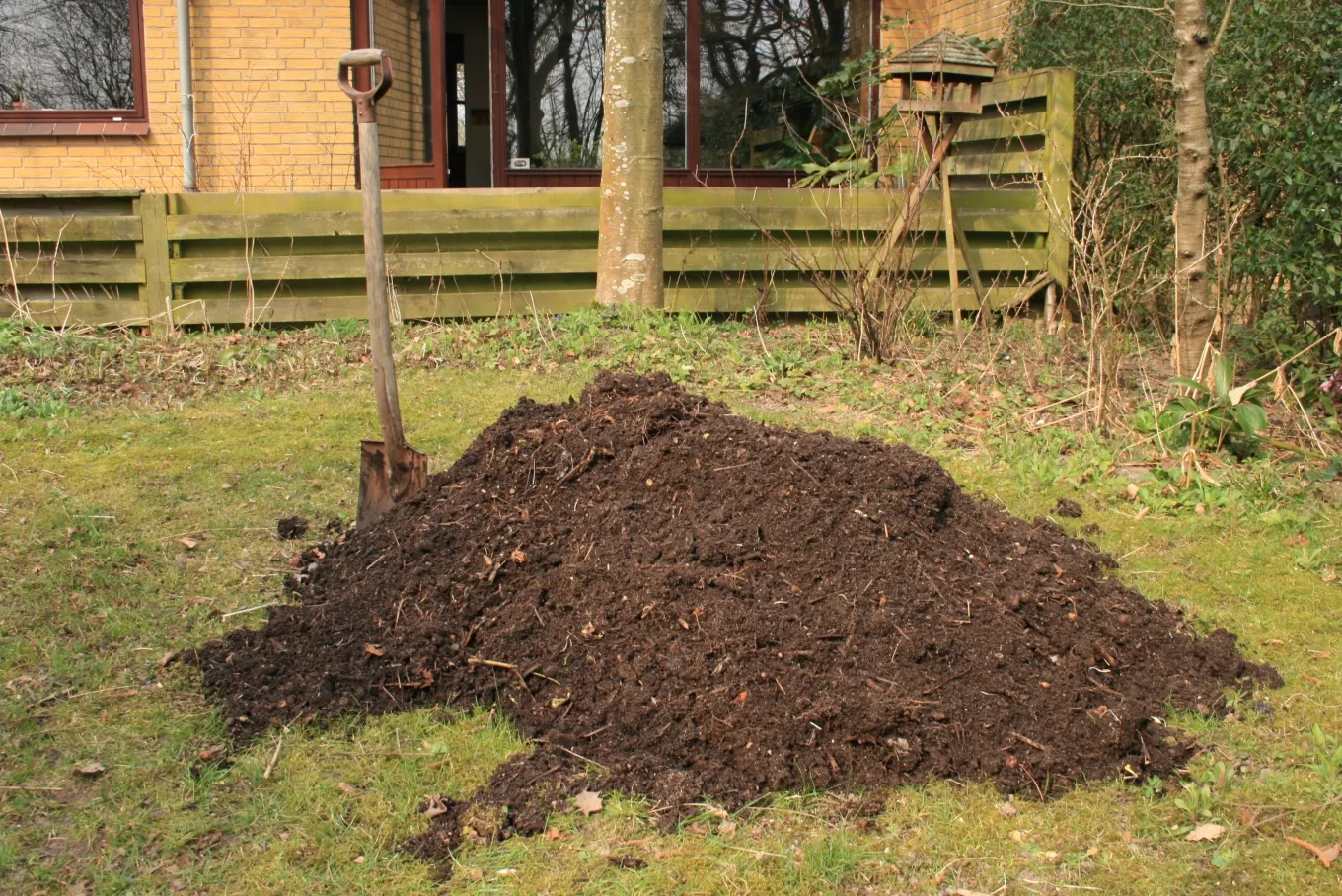
How Much Compost Do I Need?
Multiply square feet by depth in inches, divide by 324 for cubic yards of compost. Formula, worked examples, and a bagged-vs-bulk guide.
Jun 4, 2026 · 5 min read
How Many Bags of Mulch Are in a Yard?
A cubic yard of mulch is 27 cubic feet, so it takes 14 bags of 2 cu ft mulch or 9 bags of 3 cu ft to make a yard. Tables and the ÷ math inside.
Jun 4, 2026 · 4 min read
How Far Apart to Plant Tomatoes
Space tomatoes about 24 inches apart in rows 36 inches apart, or one plant per square foot in a raised bed. Spacing chart, the square-vs-triangular trick, and a calculator.
Jun 4, 2026 · 5 min read
How Far Apart to Plant Swiss Chard
Thin Swiss chard to 8 inches apart in rows 18 inches apart, or 4 plants per square foot in a raised bed. Spacing chart, square vs triangular, and a calculator.
Jun 4, 2026 · 5 min read
How Far Apart to Plant Sweet Potatoes
Space sweet potato slips about 12 inches apart in rows 36 inches apart, or give each plant 1 square foot in a raised bed. Spacing chart and a calculator.
Jun 4, 2026 · 5 min readHow Far Apart to Plant Spinach (Rows + Raised Beds)
Space spinach about 4 inches apart in rows 12 inches apart, or 9 plants per square foot in a raised bed. Spacing by method, a quick chart, and why it matters.
Jun 4, 2026 · 5 min read
How Far Apart to Plant Radishes
Thin radishes to 2 inches apart in rows 6-12 inches apart, or 16 per square foot in a raised bed. Spacing chart, square vs triangular layout, and a calculator.
Jun 4, 2026 · 5 min read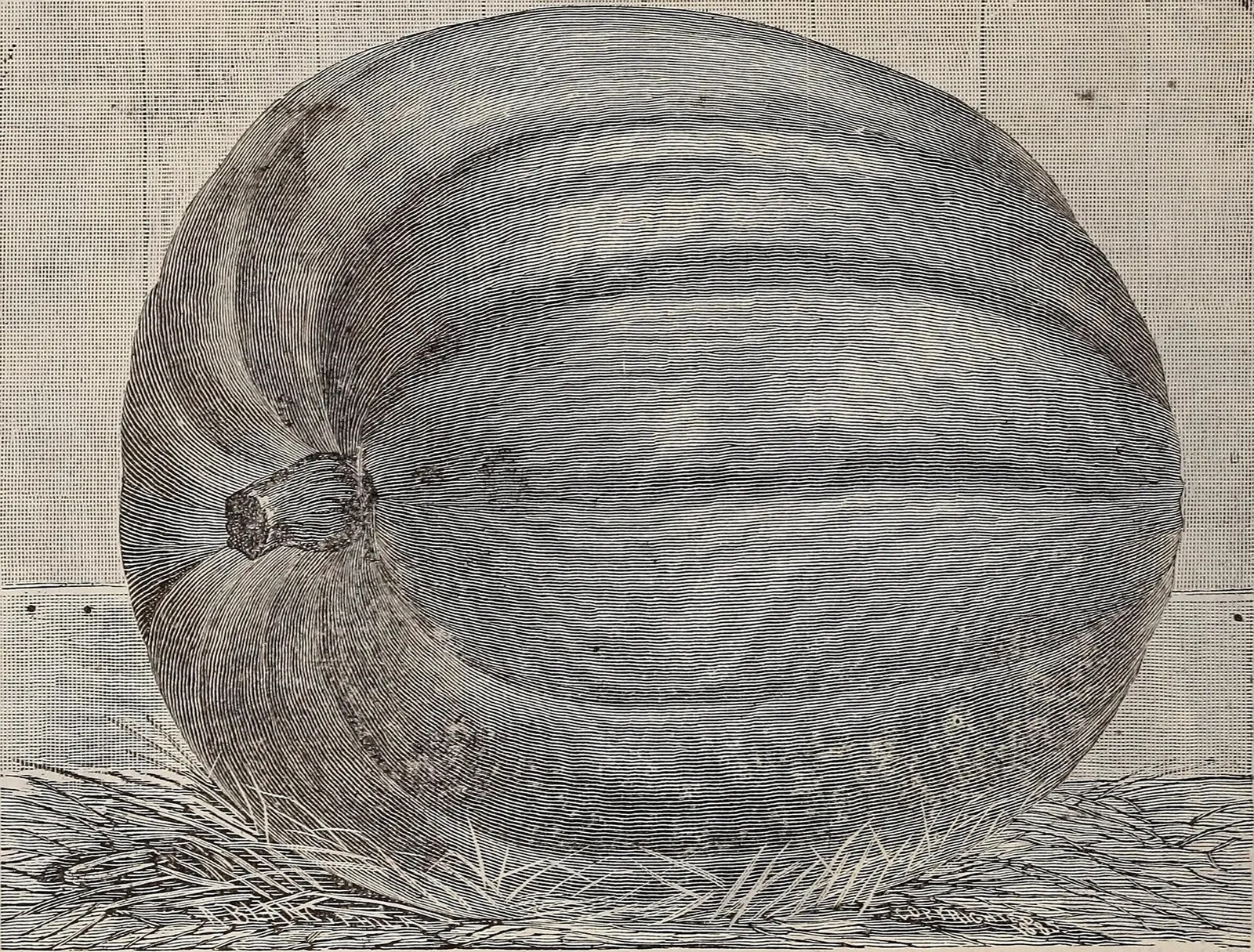
How Far Apart to Plant Pumpkins
Space pumpkins about 36 inches apart in rows 60 inches apart, or give each plant about 4 square feet in a raised bed. Spacing chart and a calculator.
Jun 4, 2026 · 5 min read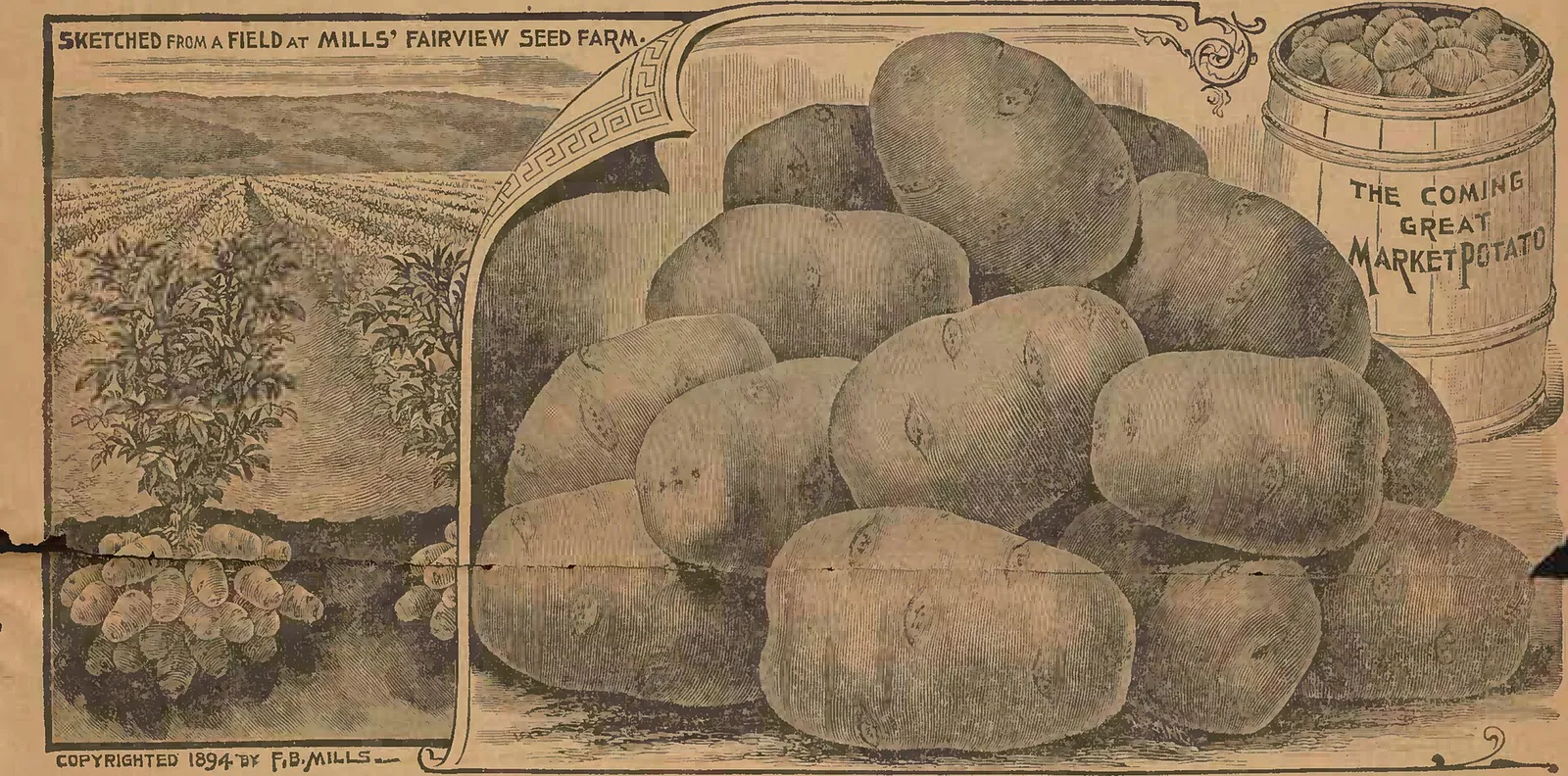
How Far Apart to Plant Potatoes
Plant seed potatoes 12 inches apart in rows 30 to 36 inches apart, or about 4 per square foot in a raised bed. Spacing chart, the triangular trick, and a calculator.
Jun 4, 2026 · 5 min read
How Far Apart to Plant Onions
Space onions about 5 inches apart in rows 12 inches apart, or 9 per square foot in a raised bed. Spacing chart, the square-vs-triangular trick, and a calculator.
Jun 4, 2026 · 5 min readHow Far Apart to Plant Lettuce (Rows + Raised Beds)
Space leaf lettuce about 8 inches apart in rows 12 inches apart, or 4 plants per square foot in a raised bed. Spacing by method, a quick chart, and why it matters.
Jun 4, 2026 · 5 min read
How Far Apart to Plant Garlic
Space garlic cloves 6 inches apart in rows 12 inches apart, or 9 cloves per square foot in a raised bed. Spacing chart, the offset-grid trick, and a calculator.
Jun 4, 2026 · 5 min read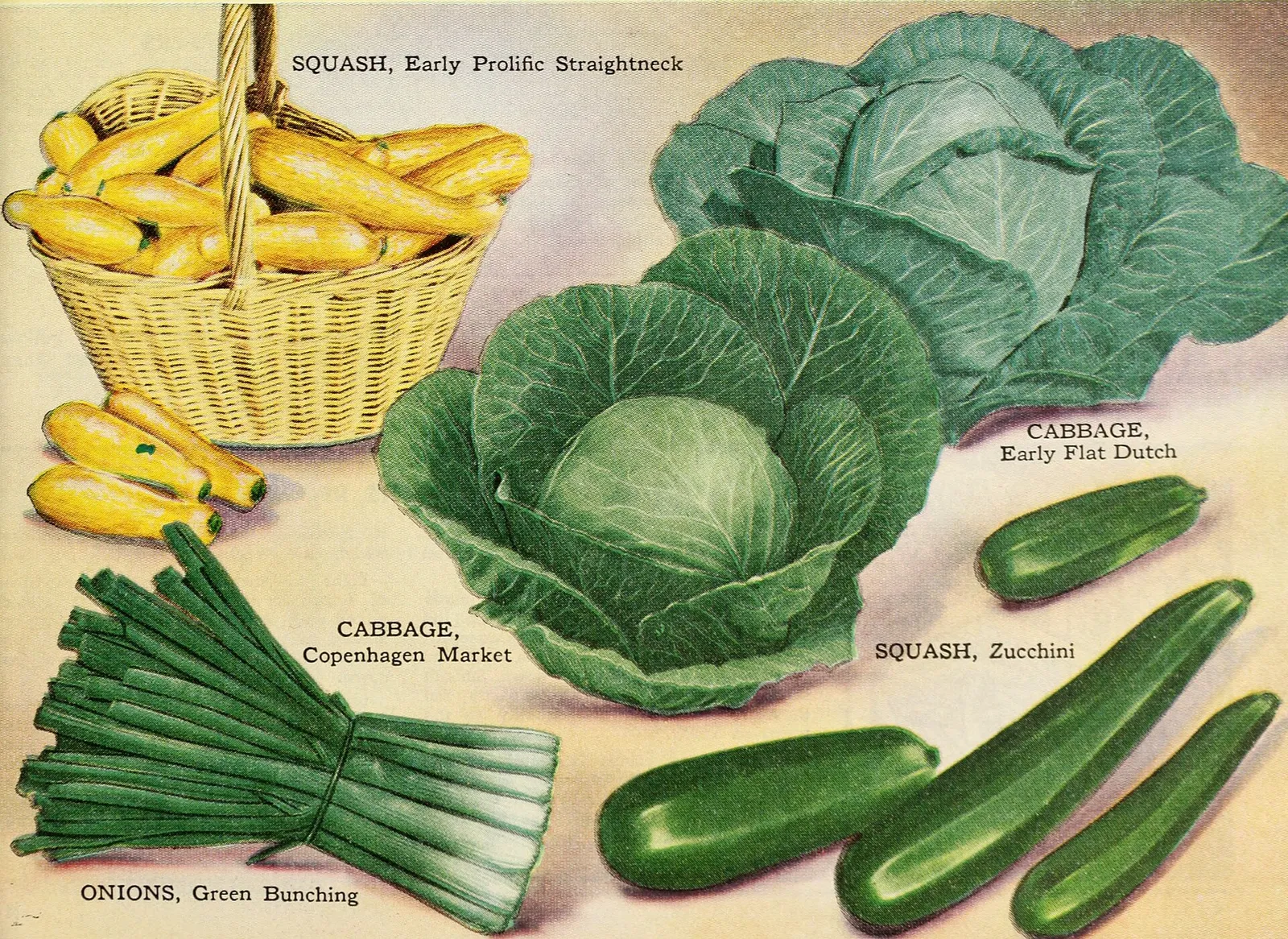
How Far Apart to Plant Eggplant
Space eggplant 18 inches apart in rows 30 inches apart, or give each plant a full square foot in a raised bed. Spacing chart, the triangular trick, and a calculator.
Jun 4, 2026 · 5 min read
How Far Apart to Plant Cauliflower (Rows + Raised Bed)
Space cauliflower 18 inches apart in rows 24 to 36 inches apart, or 1 plant per square foot in a raised bed. Spacing table, layouts, and a calculator.
Jun 4, 2026 · 5 min read
How Far Apart to Plant Carrots
Thin carrots to 2-3 inches apart in rows 12-18 inches apart, or 16 per square foot in a raised bed. Spacing chart, square vs triangular layout, and a calculator.
Jun 4, 2026 · 5 min read
How Far Apart to Plant Cabbage (Rows + Raised Bed)
Space cabbage 12 to 18 inches apart in rows 24 to 36 inches apart, or 1 plant per square foot in a raised bed. Spacing table, layouts, and a calculator.
Jun 4, 2026 · 5 min read
How Far Apart to Plant Butternut Squash
Space butternut squash about 24 inches apart in rows 48 inches apart, or give each plant 2 square feet in a raised bed. Spacing chart and a calculator.
Jun 4, 2026 · 5 min read
How Far Apart to Plant Broccoli (Rows + Raised Bed)
Space broccoli 18 inches apart in rows 24 to 36 inches apart, or 1 plant per square foot in a raised bed. Spacing table, layouts, and a calculator.
Jun 4, 2026 · 5 min read
How Far Apart to Plant Beets
Thin beets to 3-4 inches apart in rows 12-18 inches apart, or 9 per square foot in a raised bed. Spacing chart, square vs triangular layout, and a calculator.
Jun 4, 2026 · 5 min readHow Far Apart to Plant Basil
Space basil 8 inches apart in rows 12 inches apart, or 4 plants per square foot in a raised bed. Spacing chart, layouts, and a calculator.
Jun 4, 2026 · 5 min read
How Much Mulch Do I Need?
Measure your bed, multiply by depth, divide by 324, and you have the cubic yards of mulch you need. Formula, worked examples, and a coverage table.
Jun 3, 2026 · 4 min read