Harvest guide
When to Harvest Zucchini (Best Size + Signs)
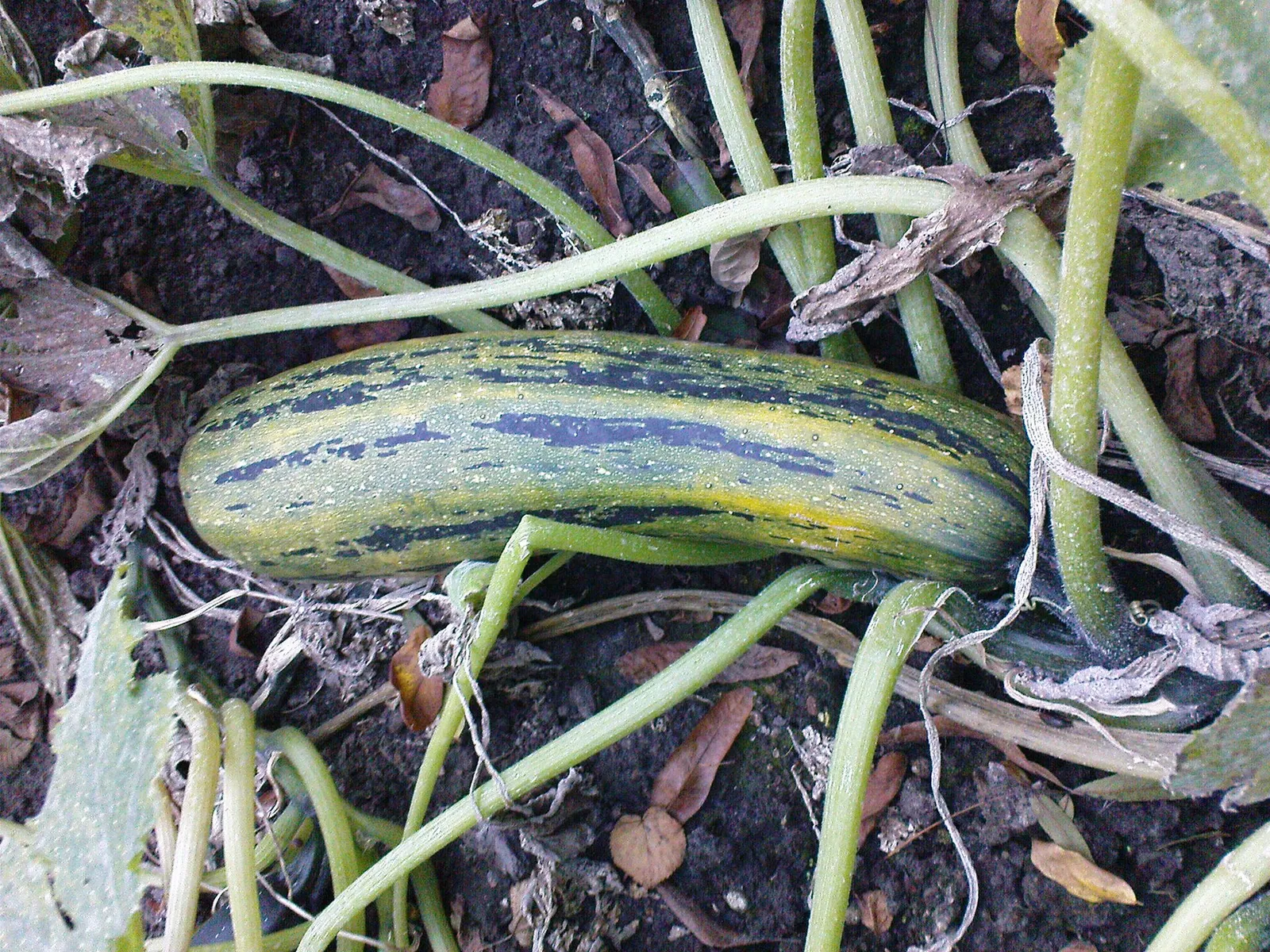
Zucchini is ready about 45 to 65 days after planting, best picked young at 6 to 8 inches long and about 2 inches thick, when the skin is glossy and a thumbnail dents it easily. Here are the size cues, the cut-don't-pull method, and why you check daily.
Days to maturity
45–60days
Ready when
6-8in long; harvest young and often
The short answer
Zucchini is ready about 45 to 65 days after planting, best picked young at 6 to 8 inches long and about 2 inches thick, when the skin is glossy and a thumbnail dents it easily. Check daily in peak season. Fruit can double in a day and turns seedy and watery when oversized.
The harvest window above comes from the days-to-maturity range for summer squash. The rest of this guide is the size cues, the cut-don't-pull method, and why you have to check the plant so often.
What size to pick at
Zucchini is one of the few crops where smaller is better. The size you pick at matters more than the calendar, because the fruit goes from perfect to overgrown in a day or two.
Standard green zucchini is at its best 6 to 8 inches long and about 1 1/2 to 2 inches thick. Iowa State Extension and University of Maryland Extension both put the ready size there. Round and scallop types use a different yardstick, since they grow as a ball, not a rod.
| Type / stage | Pick at | Notes |
|---|---|---|
| Baby zucchini | 4 in or less | Extra tender, pick for flavor over yield |
| Standard zucchini | 6–8 in long, 1½–2 in thick | The sweet spot for eating fresh |
| Round / scallop | 3–4 in across | Measure diameter, not length |
| Squash blossoms | Day they open | Pick male flowers, fruit set holds |
The day count is a guide, not a deadline. Heat speeds it up, so in a warm spell you may be picking off the same plant every day.
How to tell it's ready
The tape measure gets you close. The skin tells you the truth.
Check three things before you cut:
- Length. Standard zucchini is ready at 6 to 8 inches. Hold a fruit against your hand or a ruler the first few times until your eye calibrates.
- Glossy skin. A ready zucchini looks shiny. Clemson Extension says to pick while the fruit still has a shiny or glossy look. Dull skin means it sat too long.
- The thumbnail test. Press the skin with your thumbnail. On a tender zucchini it dents easily. University of Maryland Extension says if the rind is too hard to be marked by a thumbnail, the fruit is over-mature.
If it passes all three, cut it. If the skin has gone hard and dull, pick it off anyway and compost or grate it, because leaving it on slows down new fruit.
How to harvest zucchini
Cut, do not pull. The main vine is brittle and snaps if you yank a fruit, and a torn stem is an open door for rot.
- Use a knife or pruners. Illinois Extension says use a sharp knife or pruning shears to cut the fruit free.
- Leave a short stem. Cut through the stem about an inch above the fruit. A short stub stays cleaner in the fridge than a torn end.
- Watch the leaves. Zucchini stems and leaves are prickly. Wear gloves or long sleeves so you are not itching for an hour afterward.
Work the whole plant each time you pick. Lift a leaf or two and look underneath, because a fruit hides fast and is twice the size by the time you spot it.
Why daily picking matters
Picking often is not fussiness. It is how you get more zucchini and better zucchini, and it is the single habit that keeps the plant productive.
The plant reads a maturing fruit as a finished job. University of Minnesota Extension says that if you leave very large fruit on the vine, plant yield will decline, so you remove the big ones to keep new fruit coming.
Texture is the other reason. UMN Extension notes that overgrown fruit develops large seeds, hard skins, and fibrous or watery flesh. A 6-inch zucchini is dense and tender. A 14-inch one is mostly seed and water.
That said, an overgrown fruit is not trash. Grate it for zucchini bread, where the soft, wet flesh disappears into the batter and nobody knows the difference.
Common mistake
Two habits ruin a zucchini patch. Letting one turn into a baseball bat stalls the whole plant and gives you a seedy, watery fruit. UMN Extension warns that big fruit on the vine makes yield decline. And pulling fruit off by hand tears the stem or snaps the brittle vine, which invites rot. Cut every fruit with a knife and leave a short stub.
Pro tip
Harvest the blossoms too. Squash flowers are edible and a garden treat you cannot buy fresh. Pick the male flowers, the ones on a thin straight stem with no baby fruit behind them, and you lose no zucchini at all. UMN Extension says harvest blossoms the day they open and that picking male flowers will not hurt your fruit yield. Stuff them, batter them, or float them in soup.
Get the spacing right next year
Crowded zucchini is hard to harvest and quick to rot. The leaves are huge, and two plants jammed together hide fruit until it is oversized. Give each plant room and you can see what you are picking.
Space summer squash plants well apart so air moves through and you can reach the base of each one. The plant spacing chart has the full crop list, and the Plant Spacing Calculator shows how many fit your bed.
Try it — Plant Spacing Calculator
Full calculatorExtra to cover losses (10% is typical).
You can plant
32plants
- Per row
- 8
- Rows
- 4
- Buy (incl. spare)
- 36 plants
Zucchini is one of several summer fruits that reward frequent picking. The same cut-don't-pull rule applies to when to harvest cucumbers, and the size game flips entirely for when to harvest pumpkins, where you want them big and fully colored.
Your next step
Pick zucchini young, at 6 to 8 inches long and about 2 inches thick, while the skin is glossy and a thumbnail dents it. Cut with a knife, leave a short stem, wear sleeves, and check the plant every day in peak season.
Planning next year's patch? Open the Plant Spacing Calculator and give each zucchini the room to spread.
Common questions
What size should I pick zucchini at?
Pick standard zucchini at 6 to 8 inches long and about 1 1/2 to 2 inches thick. Iowa State Extension and University of Maryland Extension both put the ready size there. You can pick smaller for extra tenderness. Round and scallop types are best at 3 to 4 inches across.
How often should I check zucchini for harvest?
Daily in peak season. University of Maryland Extension says to check plants daily once they begin to bear, and Illinois Extension says go over the plants every 1 or 2 days. Zucchini grows fast in hot weather and can double in size in a day, so a missed check is how you end up with a baseball bat.
Can you eat zucchini that got too big?
You can, but the texture suffers. University of Minnesota Extension says oversized fruit develops large seeds, hard skins, and fibrous or watery flesh. A big one is best shredded for zucchini bread, where the soft texture does not matter. For eating fresh, stick to 6 to 8 inches.
How do I know if a zucchini is too old to pick?
Press the skin with your thumbnail. If it dents easily, the zucchini is tender and ready. University of Maryland Extension says if the rind is too hard to be marked by a thumbnail, the fruit is over-mature. Dull, hard skin is the other tell. Pick those off the plant anyway so it keeps setting new fruit.
Should I cut or pull zucchini off the plant?
Cut it. Illinois Extension says use a sharp knife or pruning shears, and leave a short stub of stem on the fruit. Pulling or twisting can tear the stem or snap the brittle main vine. The stems and leaves are prickly, so wear gloves or long sleeves.
Sources
Agronomic claims in this guide are checked against these primary sources.
- Growing Summer Squash (Zucchini) in a Home Garden — University of Maryland Extension
- Summer Squash — University of Illinois Extension
- When should I harvest my summer squash? — Iowa State University Extension and Outreach
- Growing summer squash and zucchini in home gardens — University of Minnesota Extension
Keep reading
When to Harvest Cucumbers (Size + Signs)
Cucumbers are ready about 50 to 70 days after planting, when they are firm and evenly green at the right size for the type. Slicers want 6 to 8 inches, picklers 2 to 4. Pick every day or two before they yellow and turn bitter.
Read →When to Harvest Pumpkins (Signs They're Ready)
Pumpkins are ready about 90 to 120 days from planting, when the color is deep and even, the rind shrugs off a thumbnail, and the stem turns hard and woody.
Read →When to Harvest Butternut Squash (Signs It's Ready)
Butternut squash is ready about 100 to 110 days from planting, when the rind turns deep tan, hardens past a thumbnail, and the stem goes corky and dry.
Read →When to Plant Zucchini (Frost + Soil Temp Timing)
Plant zucchini after your last spring frost, once the soil hits at least 60 F (ideally 65 to 70 F). Direct-sow seeds 1/2 to 1 inch deep, or set out transplants started 2 to 4 weeks earlier. Warm zones get a second fall crop.
Read →When to Plant Tomatoes (Frost + Soil Temp by Zone)
Set tomato transplants out 1 to 2 weeks after your last spring frost, once soil hits at least 60 F. Start seeds indoors 6 to 8 weeks before that frost date. Cold soil stalls them, so wait for warmth.
Read →When to Plant Swiss Chard (Spring and Fall Timing)
Plant swiss chard 2 to 4 weeks before your last spring frost, once the soil hits 40°F. Sow again 3 to 4 weeks before the first fall frost. Seeds go half an inch to an inch deep.
Read →