How-to
When to Plant Garlic (Fall Timing by Zone)
Plant garlic in fall, about 3 to 6 weeks before the ground freezes, so roots set before winter. That lands mid-September to November across most US zones. Plant cloves 2 inches deep, pointy end up, 4 to 6 inches apart.
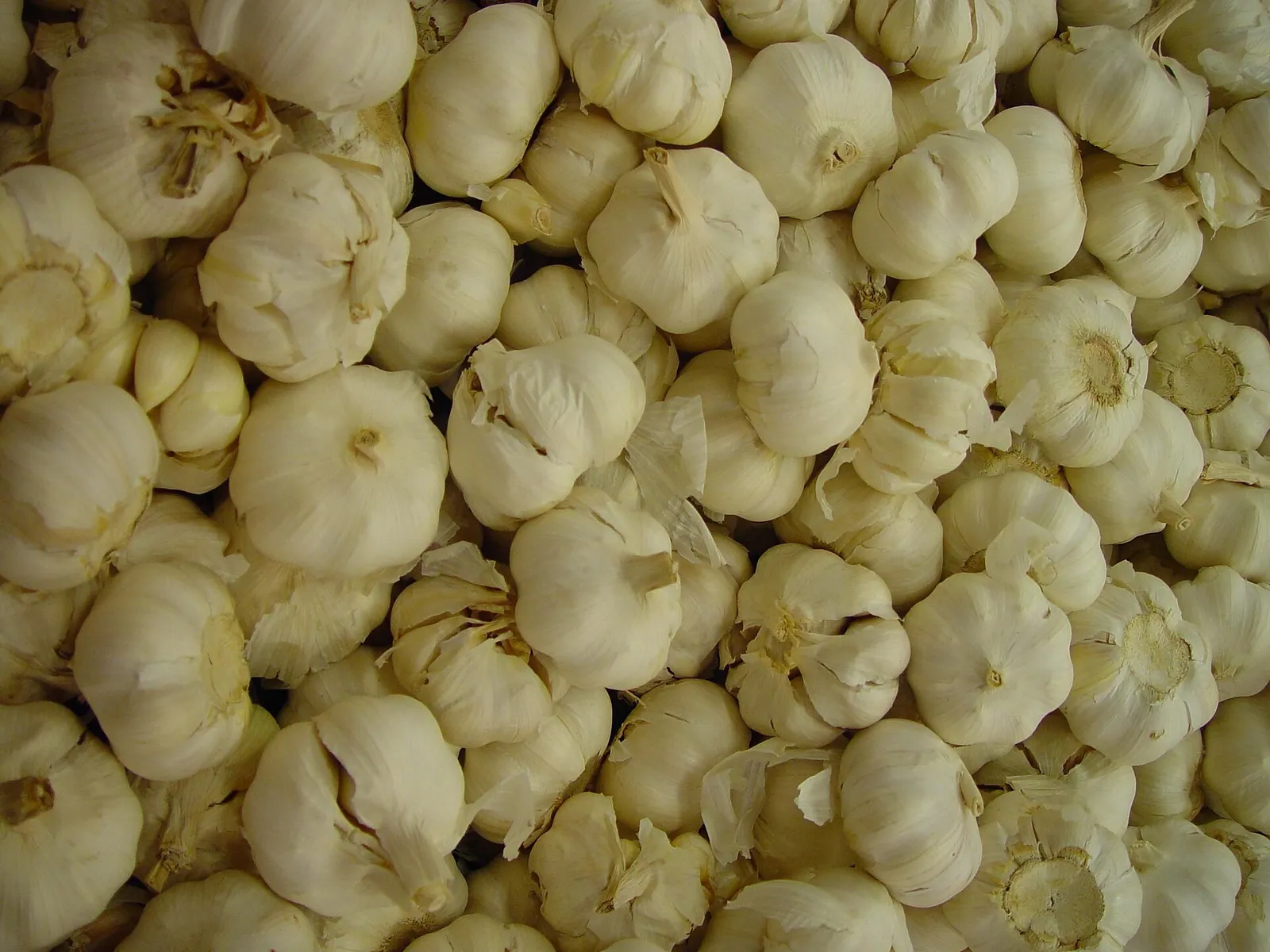
The short answer
Plant garlic in fall, about 3 to 6 weeks before the ground freezes, so the cloves set roots before winter. In most US zones that means mid-September to November. Plant cloves 2 inches deep, pointy end up, 4 to 6 inches apart. Spring planting works in cold zones but gives smaller bulbs.
Garlic is a fall crop you harvest the next summer. You plant it in cool weather, it grows roots underground over winter, then it bulks up and finishes in early summer. Get the timing right and the rest is easy. This guide covers when to plant by zone, which type to plant, and how to put cloves in the ground.
When to plant garlic by zone
The target is the same everywhere: get cloves in the ground early enough to grow roots, but late enough that they do not push leaves up before winter. Penn State Extension puts that at a good three weeks before the ground freezes. UMN Extension and Wisconsin Extension both time it to within a week or two after the first killing frost.
Colder zones freeze sooner, so they plant sooner. The windows below are starting points, not deadlines. Watch your own first-frost date and ground temperature.
| Region / zone | Typical planting window | Cue |
|---|---|---|
| Cold (zones 3–5) | Late Sept – Oct | A week or two after the first killing frost |
| Temperate (zones 6–7) | Oct – Nov | About 3 to 6 weeks before the ground freezes |
| Mild (zones 8–9) | Nov – Dec | Once nights cool but before any deep freeze |
Illinois Extension calls mid-October about perfect for central Illinois, a zone-6 benchmark. Shift earlier as you go north and colder, later as you go south and milder.
Hardneck or softneck: match it to your winter
Garlic comes in two families, and the right one depends on how cold your winter gets.
- Hardneck sends up a stiff central stalk and a curly flower stem called a scape. Wisconsin Extension says hardneck types perform best where winters are long and the season of growth is relatively short. They are the cold-climate choice.
- Softneck has no stalk, stores longer, and braids well. Wisconsin Extension says softneck types are better adapted to areas with long seasons and mild winters.
So cold zones (3 to 6) lean hardneck. Mild zones (8 to 9) lean softneck. Zones 6 to 7 can grow both. UMN Extension notes hardneck Rocambole, Purple Stripe, and Porcelain types, and softneck Artichoke and Silverskin types.
How to plant garlic
You plant the cloves, not the whole bulb. Each clove becomes one new head of garlic the next summer.
Here is the order of work:
- Break the bulb into cloves just before planting. UMN Extension says separate the cloves just before planting and pick the largest ones, since big cloves make big bulbs. Do not crack bulbs open days ahead. Illinois Extension warns early separation has been shown to reduce mature bulb size.
- Set each clove pointy end up. The flat base grows roots, the point grows the shoot. Wisconsin Extension says place cloves pointed side up, 2 to 3 inches deep. A clove planted upside down grows a bent, misshapen bulb.
- Space them 4 to 6 inches apart. Penn State says 4 to 8 inches between plants. Wisconsin lists about 6 inches apart. Crowded garlic stays small.
- Cover and water in. Firm the soil over the cloves and water once to settle them.
For depth, leave the base of the clove 2 to 3 inches below the surface, per UMN Extension. Penn State sets the floor at at least 2 inches deep.
Pro tip
Mulch heavily right after planting. UMN and Wisconsin Extension both call for 3 to 4 inches of clean straw or leaf mulch over the bed. The mulch steadies soil temperature so cloves are not heaved out of the ground by freeze-thaw cycles, and it smothers early spring weeds. In windy spots, lay a few branches over the straw to hold it down. Pull the mulch back in spring once hard freezes pass, or leave it for weed control.
Fall vs spring planting: the honest trade-off
Fall is the default for a reason. Garlic needs a stretch of cold to split a single clove into a full head. Without it, you get one round, undivided bulb instead of a segmented one.
You can plant in spring, but the bulbs come out smaller. UMN Extension is blunt: garlic planted in spring without a proper cold treatment produces weak shoots and poorly developed bulbs. If a hard winter or a late seed-garlic order forces your hand, plant as early as the ground can be worked and choose a softneck artichoke type, which UMN calls the most suitable for spring.
For most US gardeners, fall planting is the move. Spring is the backup, not the plan.
Common mistake
Three errors cost you a crop. Planting grocery-store garlic is a gamble, since it is often a mild-climate softneck that may be sprout-treated, and UMN Extension warns California garlic turns harshly hot in cold regions. Mistiming the planting hurts too: too early and it leafs out before winter, too late and roots never establish. And cracking bulbs into cloves days ahead dries the root nodules and shrinks the bulb, so split them the same day you plant.
Get the spacing right before you plant
Spacing is where garlic yield is won or lost. At 4 to 6 inches apart, each clove has room to size up into a full head. Pack them tighter and every bulb stays small.
Work out how many cloves your bed holds before you order seed garlic. The plant spacing chart lists garlic alongside onions and other crops, and the plant spacing calculator counts how many fit your exact bed.
Try it — Plant Spacing Calculator
Full calculatorExtra to cover losses (10% is typical).
You can plant
32plants
- Per row
- 8
- Rows
- 4
- Buy (incl. spare)
- 36 plants
Garlic shares a rhythm with the rest of the allium bed. The same fall-plant, summer-pull cycle drives when to harvest onions, and the payoff for this planting is covered in when to harvest garlic.
Your next step
Plant garlic in fall, 3 to 6 weeks before the ground freezes, somewhere in the mid-September to November window for most US zones. Break the bulb into cloves the day you plant, set each one pointy end up 2 inches deep and 4 to 6 inches apart, then mulch with 3 to 4 inches of straw.
Ready to lay out the bed? Open the plant spacing calculator and set garlic at 6 inches so every clove has room to bulk up.
Common questions
When should I plant garlic?
Plant in fall, about 3 to 6 weeks before the ground freezes, so the cloves grow roots before winter but no top growth. Penn State Extension says to plant a good three weeks before the ground freezes. UMN and Wisconsin Extension both time it to within a week or two after the first killing frost. In most US zones that falls between mid-September and November.
Can I plant garlic in spring instead of fall?
You can, but expect smaller bulbs. Garlic needs a cold period to split into a full head of cloves. UMN Extension says garlic planted in spring without a proper cold treatment produces weak shoots and poorly developed bulbs. If you must plant in spring, do it as early as the ground can be worked and use a softneck artichoke type.
How deep and how far apart do I plant garlic cloves?
Plant cloves 2 to 3 inches deep with the pointy end up, and space them 4 to 6 inches apart. UMN Extension sets the base of the clove 2 to 3 inches from the surface, Penn State says at least 2 inches deep and 4 to 8 inches apart, and Wisconsin Extension lists about 6 inches apart. Use the [plant spacing calculator](/plant-spacing-calculator) to count cloves per bed.
Should I plant hardneck or softneck garlic?
Match it to your winter. Wisconsin Extension says hardneck types perform best where winters are long and cold, and softneck types are better adapted to areas with long seasons and mild winters. Cold zones (3 to 6) lean hardneck. Mild zones (8 to 9) lean softneck. Zones 6 to 7 grow both.
Can I plant garlic from the grocery store?
It is a gamble. Grocery garlic is usually a softneck variety grown for a mild climate, and it may be treated to resist sprouting. UMN Extension warns that California-grown garlic develops an undesirably hot flavor in cold regions. Buy named seed garlic suited to your zone instead.
Sources
Agronomic claims in this guide are checked against these primary sources.
- Growing garlic in home gardens — University of Minnesota Extension
- Growing Garlic - Fall Planting — Penn State Extension
- Fall Garlic Planting — University of Illinois Extension
- Garlic, Allium sativum — University of Wisconsin-Madison Extension
Keep reading
When to Harvest Garlic (Signs It's Ready)
Fall-planted garlic is ready in early-to-mid summer, when the lower 3-4 leaves have browned but 5-6 upper leaves stay green. Here are the signs, the lift, and how to cure it.
Read →When to Harvest Onions (Signs They're Ready)
Storage onions are ready when about half to most of the tops have flopped over and the necks soften, usually around 90 to 110 days. Here are the signs, plus how to lift, cure, and store them.
Read →When to Plant Zucchini (Frost + Soil Temp Timing)
Plant zucchini after your last spring frost, once the soil hits at least 60 F (ideally 65 to 70 F). Direct-sow seeds 1/2 to 1 inch deep, or set out transplants started 2 to 4 weeks earlier. Warm zones get a second fall crop.
Read →When to Plant Tomatoes (Frost + Soil Temp by Zone)
Set tomato transplants out 1 to 2 weeks after your last spring frost, once soil hits at least 60 F. Start seeds indoors 6 to 8 weeks before that frost date. Cold soil stalls them, so wait for warmth.
Read →When to Plant Swiss Chard (Spring and Fall Timing)
Plant swiss chard 2 to 4 weeks before your last spring frost, once the soil hits 40°F. Sow again 3 to 4 weeks before the first fall frost. Seeds go half an inch to an inch deep.
Read →When to Plant Sweet Potatoes (Soil Temp + Frost Timing)
Plant sweet potato slips 2 to 4 weeks after your last spring frost, once soil holds above 65°F. Get timing by zone, the soil-temp gate, and the mistake that rots slips in cold ground.
Read →